Key Takeaways
- Clogged gutters are the leading cause of overflow, but undersized systems and poor slope are just as damaging and often go undiagnosed.
- Downspout problems account for a large share of overflow complaints, even when the gutters themselves look fine.
- Rochester's freeze-thaw cycles and heavy spring snowmelt put unique stress on gutters that milder climates never face.
- Long-term fixes include seamless gutters, correctly sized downspouts, and quality gutter guards rather than repeated cleaning alone.
- Getting a professional inspection is the fastest way to identify which of these six causes applies to your home.
Understanding Gutter Overflow During Rochester Storms
Rochester gets real weather. Between lake-effect rain events, spring snowmelt, and summer thunderstorms that drop an inch of rain in under an hour, your gutters face conditions that genuinely test every component of the system.
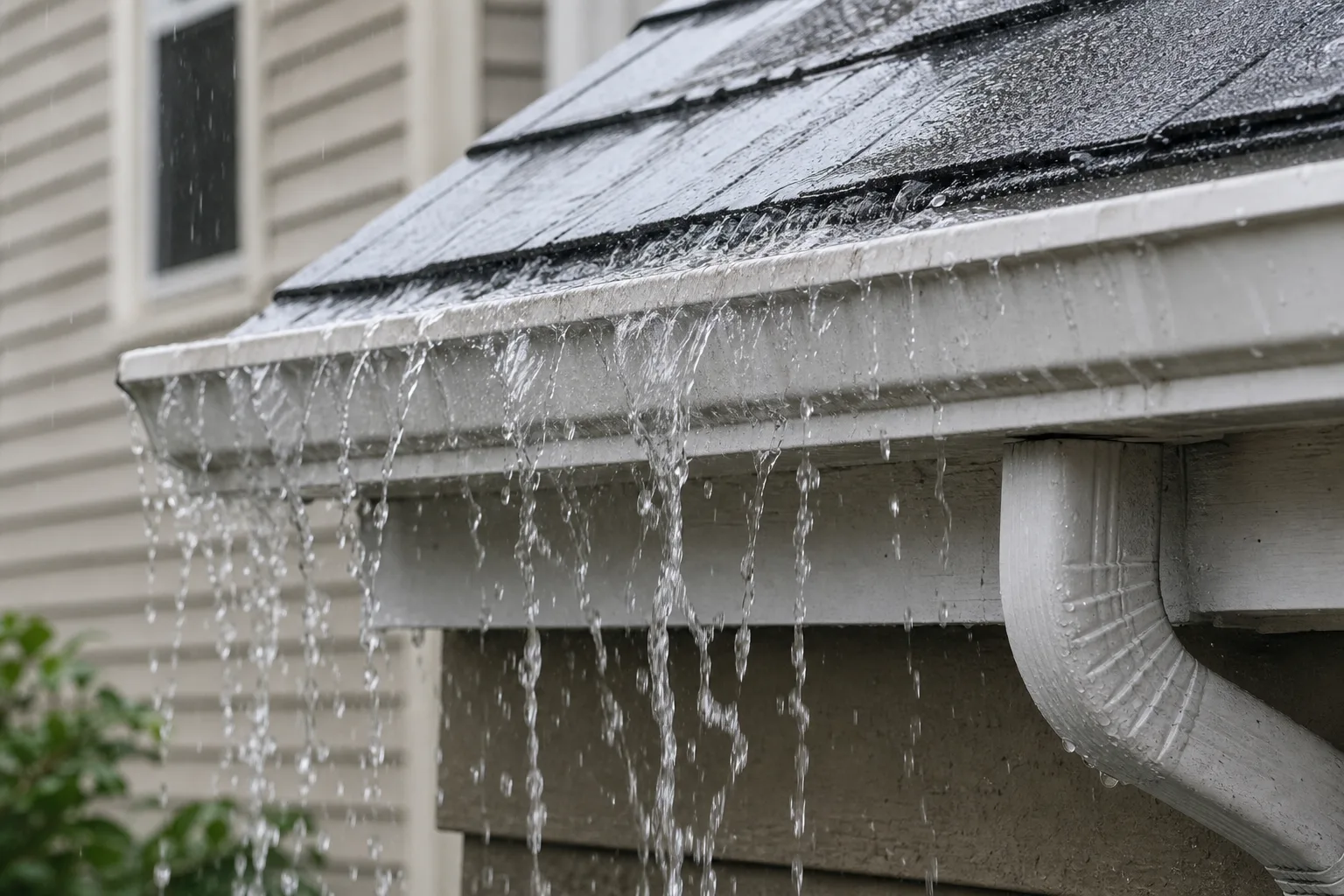
Rain gutter overflow occurs when water reaches the gutter channel faster than the system can move it toward downspouts and away from the home, causing it to spill over the front lip and fall directly against the foundation.
How Heavy Rainfall Exposes Gutter Weaknesses
A standard 5-inch K-style gutter handles a certain volume of water per minute under normal flow. When rainfall intensity spikes, that volume can double or triple in a short window. Any weak point in the system, whether a partial clog, a low spot, or a slow downspout, gets exposed immediately.
According to research on gutter overflow causes, most overflow incidents involve at least two problems working together rather than a single isolated cause. That's why homeowners often fix one thing and still see water pouring over the edge the next storm.
Why Overflow Happens Faster Than You'd Expect
Water is heavy and moves fast under pressure. When your roof sheds a large surface area of rain all at once and funnels it into a gutter channel, even a modest clog or slight pitch problem creates a backup within seconds. The overflow you see during a storm may have been building in the system for months.
Three Causes of Rain Gutter Overflow in Rochester Homes
Clogged Gutters and Debris Buildup
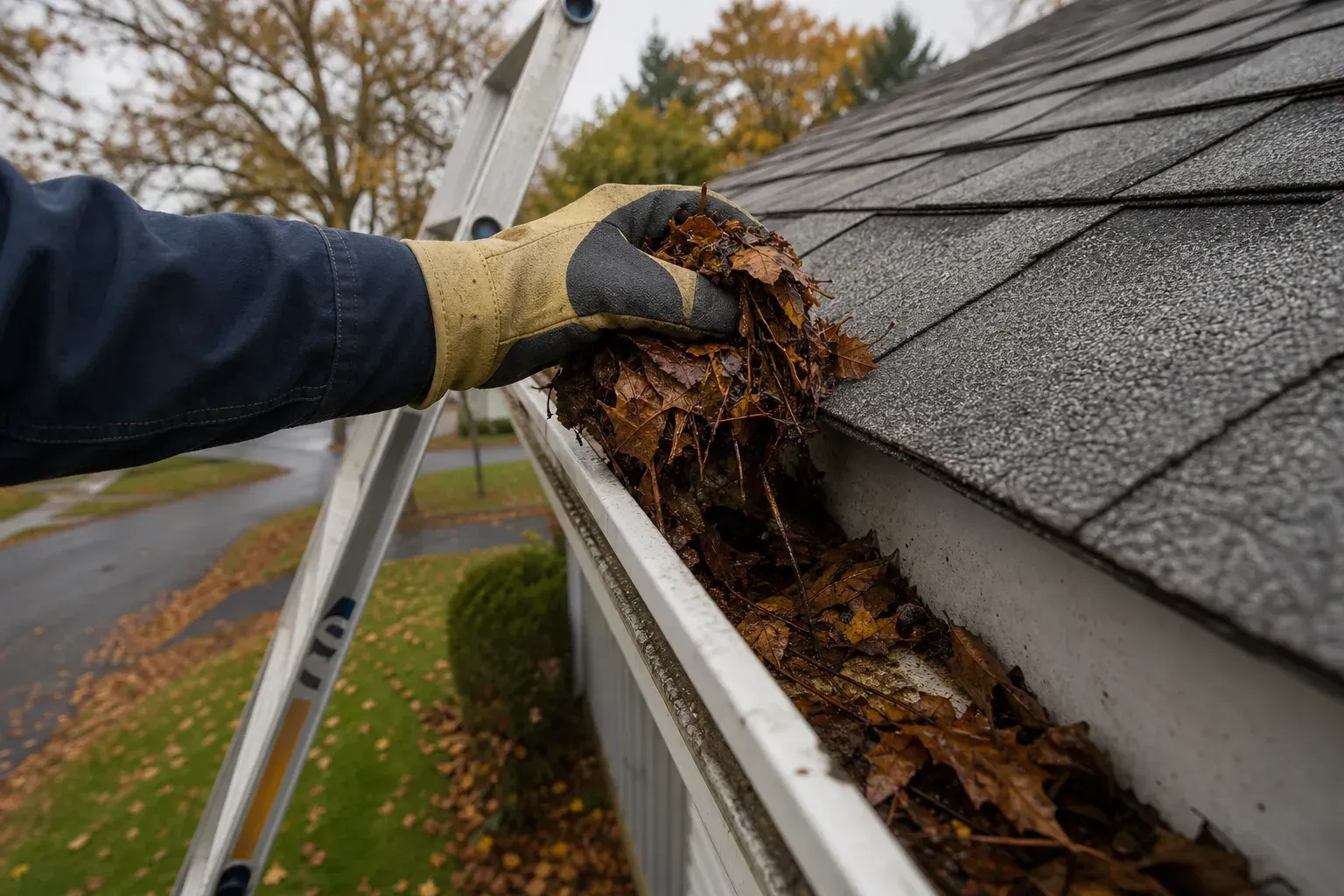
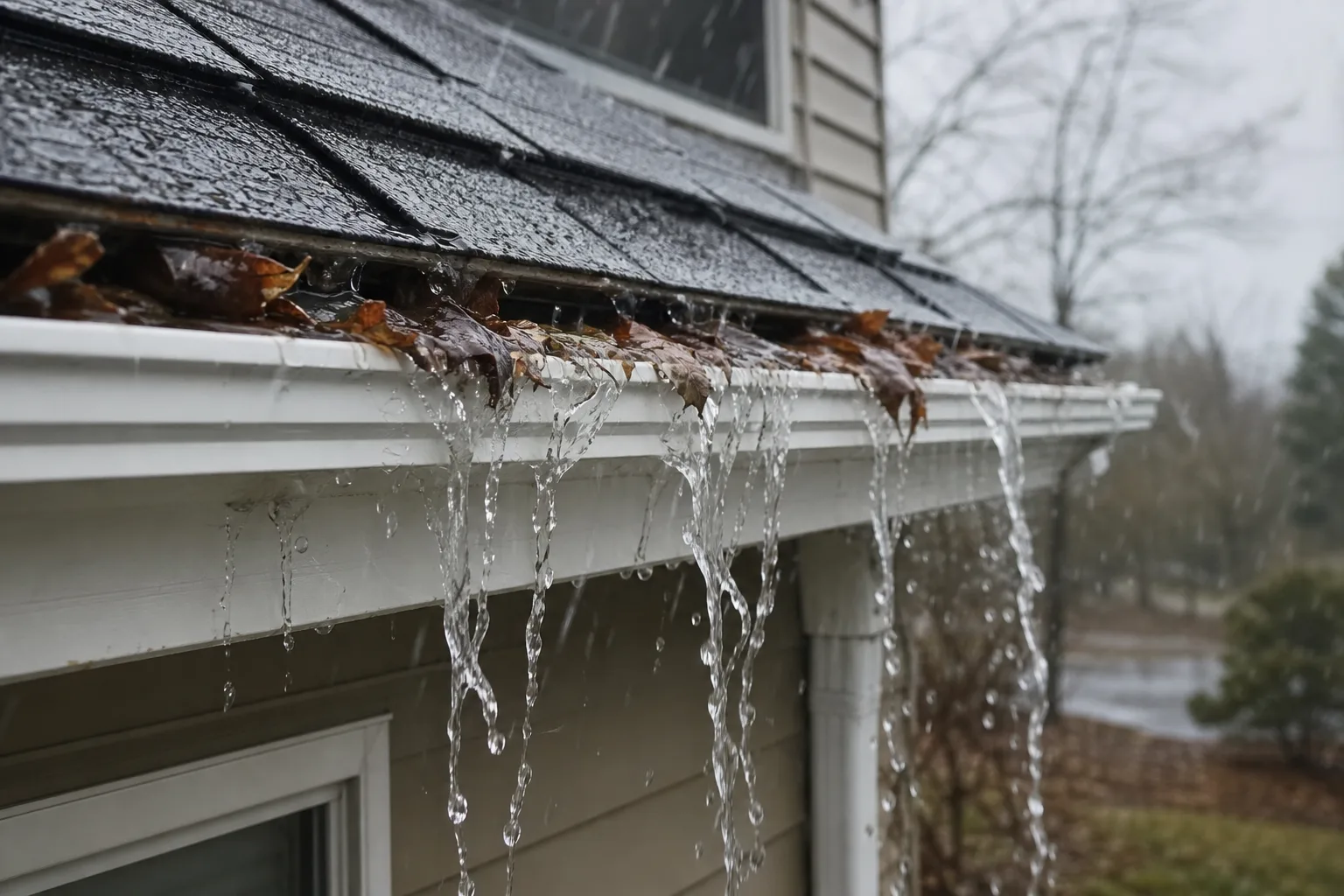
Clogged gutters are responsible for more overflow calls than any other single cause. Leaves, pine needles, seed pods, and shingle granules accumulate in the channel over time. A partial blockage slows water toward the downspout.
A full blockage turns your gutter into a shallow trough that overflows in minutes during any meaningful rainstorm.
Rochester's tree canopy is dense in neighborhoods like Penfield, Pittsford, and Brighton, which means fall and spring cleaning matter more here than in less wooded areas. If you can't remember the last time your gutters were cleaned, that's likely the first place to look.
Undersized Gutters for Your Roof
Not every gutter overflow problem is a clog. Some homes simply have gutters that are too narrow for the roof area draining into them. A 5-inch gutter may have been adequate when the home was built, but a large roof slope or a steeper pitch increases the volume of water delivered to the gutter faster than a smaller channel can move.
As noted in an analysis of why gutters overflow even when unclogged, roof square footage and pitch are the two variables most installers check when sizing a new system, but existing gutters on older homes frequently predate those calculations.
Poor Gutter Slope and Water Drainage
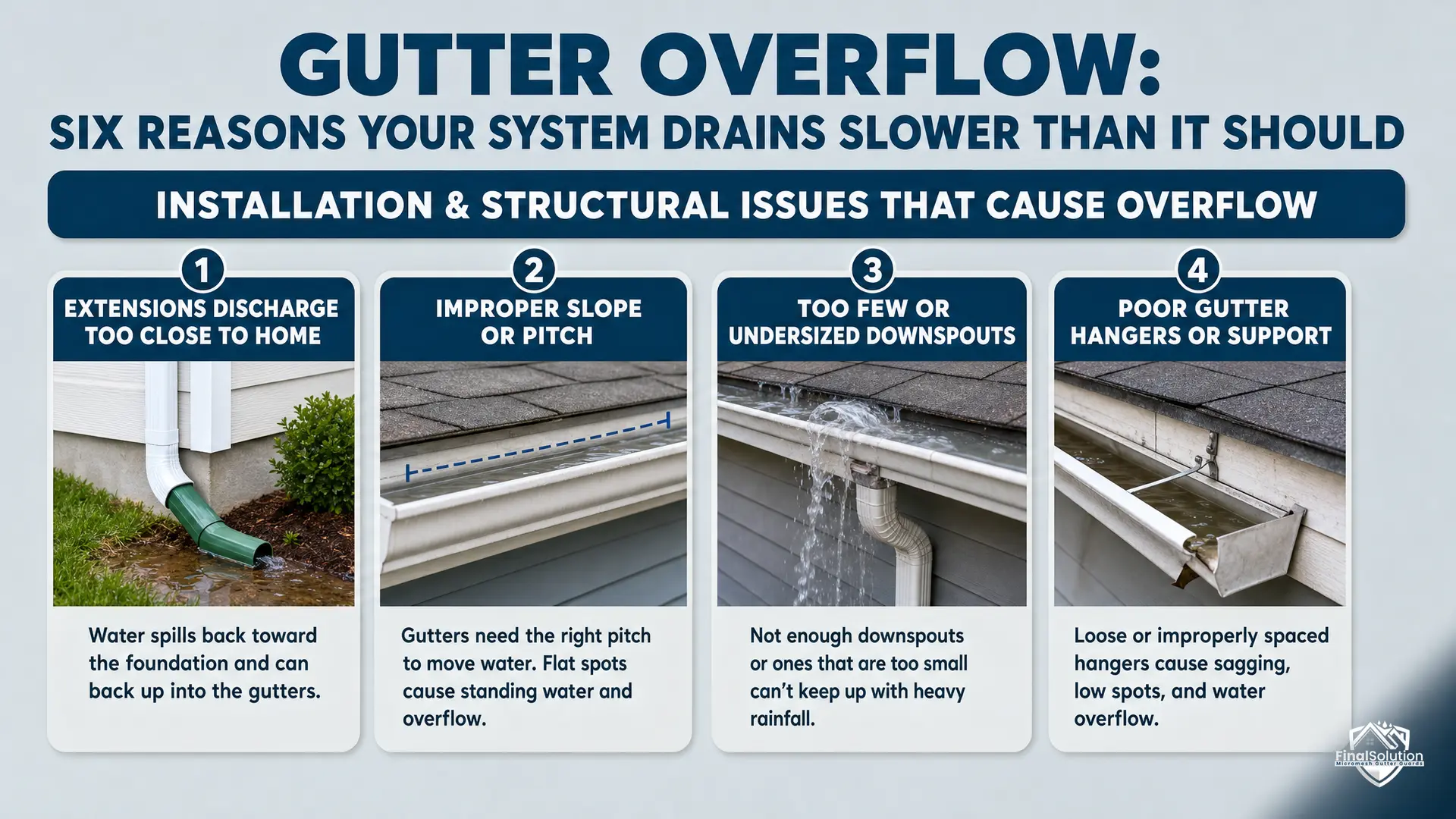
Gutters need a consistent slope toward the downspout, typically around a quarter inch of drop for every 10 linear feet of run. Too little slope means water sits in the channel and drains slowly. Too much slope creates a fast rush of water at the downspout that can overwhelm the outlet opening.
Both conditions contribute to overflow during heavy rain.
Slope problems are common after years of settling, heavy snow loads, or improper original installation. You can often spot this issue by looking at your gutters from the ground after a storm and watching where water pools.
Downspout and Drainage System Failures
Disconnected or Clogged Downspouts
A clear gutter channel means nothing if the downspout is blocked. Debris compacts tightly inside the vertical section and at the elbow joints at the bottom, restricting or stopping flow entirely. Water backs up into the gutter, which fills quickly and overflows.
A professional downspout inspection and cleaning catches this before the next storm hits.
Inadequate Downspout Capacity
Most homes have one downspout per 20 to 40 feet of gutter run. That ratio works under moderate rainfall, but heavy storms in Rochester can push far more water through the system than a single downspout was designed to handle. Adding a second downspout or upgrading to a wider diameter is a practical fix that directly reduces overflow pressure on the gutter channel.
According to guidance on gutter and downspout relationships, the downspout is the bottleneck in most drainage systems, and upgrading gutter size without also addressing downspout count often delivers disappointing results.
Standing Water Near Foundation Drainage
Downspout extensions direct water away from your foundation. When they're missing, too short, or drain onto a graded surface that slopes back toward the house, water pools near the home. This isn't overflow in the traditional sense, but it produces the same foundation damage.
Extensions should discharge at least 6 feet from the foundation wall on a slope that keeps water moving away.
Installation and Structural Issues That Cause Overflow
Sagging Gutters and Misalignment
Gutters are held in place by hangers fastened into the fascia board. Over time, hangers can loosen, the fascia can rot, or the weight of debris and ice can pull sections downward. A sagging gutter creates a low spot where water collects instead of flowing toward the downspout.
That low spot overflows first in every storm, even if the rest of the system is working fine.
If you notice a section of your gutter that always seems wet or always overflows in the same spot, sagging is a likely cause. Gutter repair or rehang service addresses this directly without requiring full replacement in most cases.
Gaps and Separation at Seams
Sectional gutters have joints where pieces connect. Those seams can separate over time due to thermal expansion, settling, or failing sealant. Water escapes through the gap before it reaches the downspout, often dripping directly onto the fascia and soffit below.
This hidden leak acts like overflow and causes just as much damage.
How Rochester Weather Intensifies Gutter Problems
Spring Snowmelt and Sudden Heavy Rain
Rochester winters leave behind significant snowpack, and spring thaw can send large volumes of meltwater through the system over several days. When a rain event hits during a thaw, the combined load often exceeds what the gutters were designed to handle. Spring is the highest-risk season for overflow damage to foundations and basements across Monroe County.
Freeze-Thaw Cycles Damaging Gutters
Western New York's freeze-thaw cycles are hard on every exterior surface, and gutters are no exception. Ice dams form when heat escapes through the roof, melts snow near the ridge, and refreezes at the cold gutter edge. That ice blocks water flow, forces water under shingles, and can tear gutters away from the fascia entirely.
Even after the ice clears, the hangers and seams may be weakened enough to cause overflow problems through the rest of the year.
Fixes and Prevention Strategies for Rochester Homeowners
Immediate Steps to Stop Overflow During Storms
If water is pouring over your gutters right now, the fastest short-term fix is clearing any visible blockage at the downspout outlet and making sure the downspout extension is directing water away from the house. After the storm passes, flush the system with a garden hose to find where the slowdown is occurring.
| Problem | Short-Term Fix | Long-Term Solution |
|---|---|---|
| Debris clog | Clear gutters and flush downspout | Install gutter guards |
| Undersized gutters | Redirect flow with splash guards | Upgrade to 6-inch system |
| Poor slope | None during storm | Rehang and re-pitch gutters |
| Blocked downspout | Clear obstruction manually | Add second downspout |
| Sagging section | None during storm | Replace hangers, repair fascia |
| Seam separation | Temporary sealant patch | Install seamless gutters |
Long-Term Solutions and Gutter Upgrades
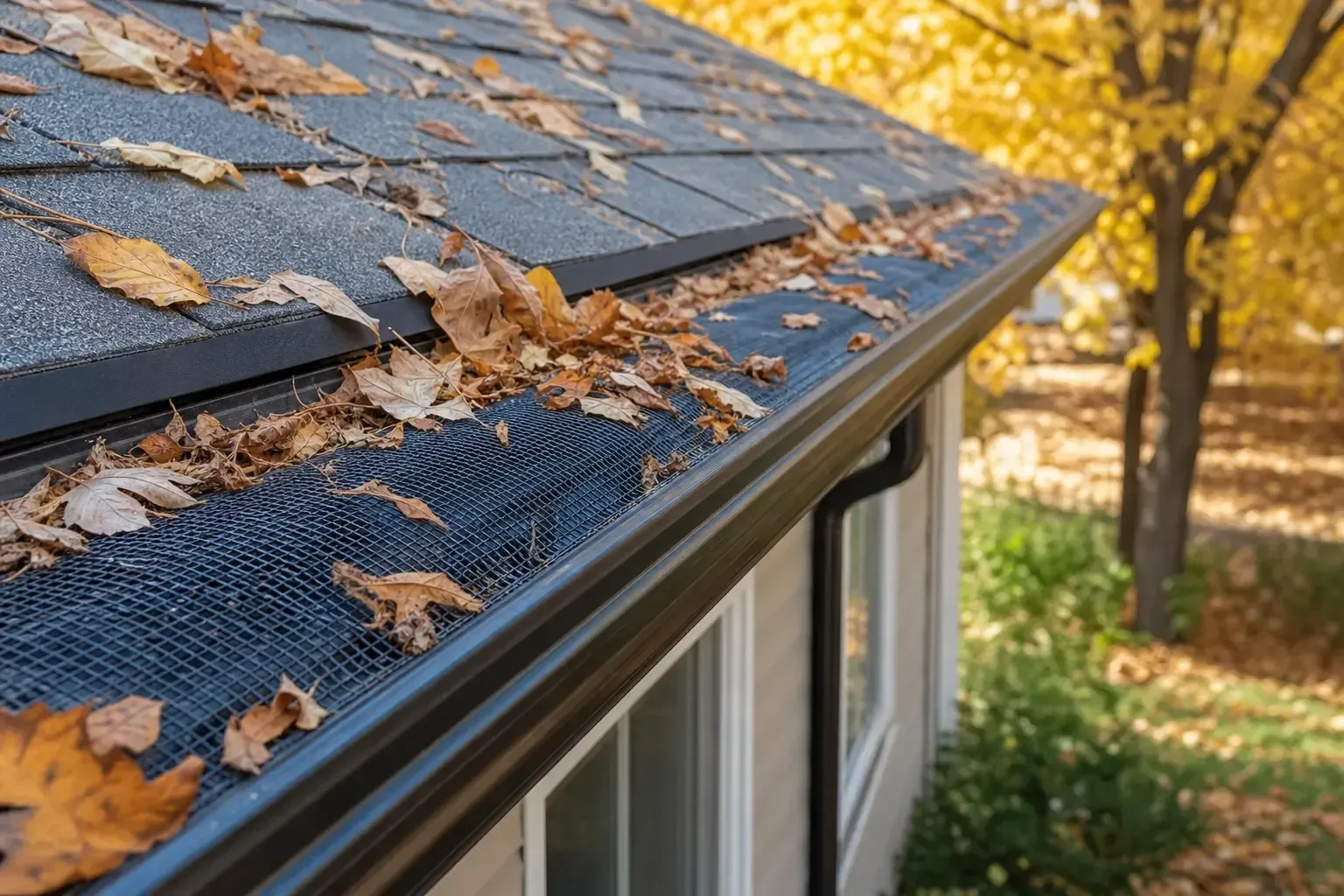
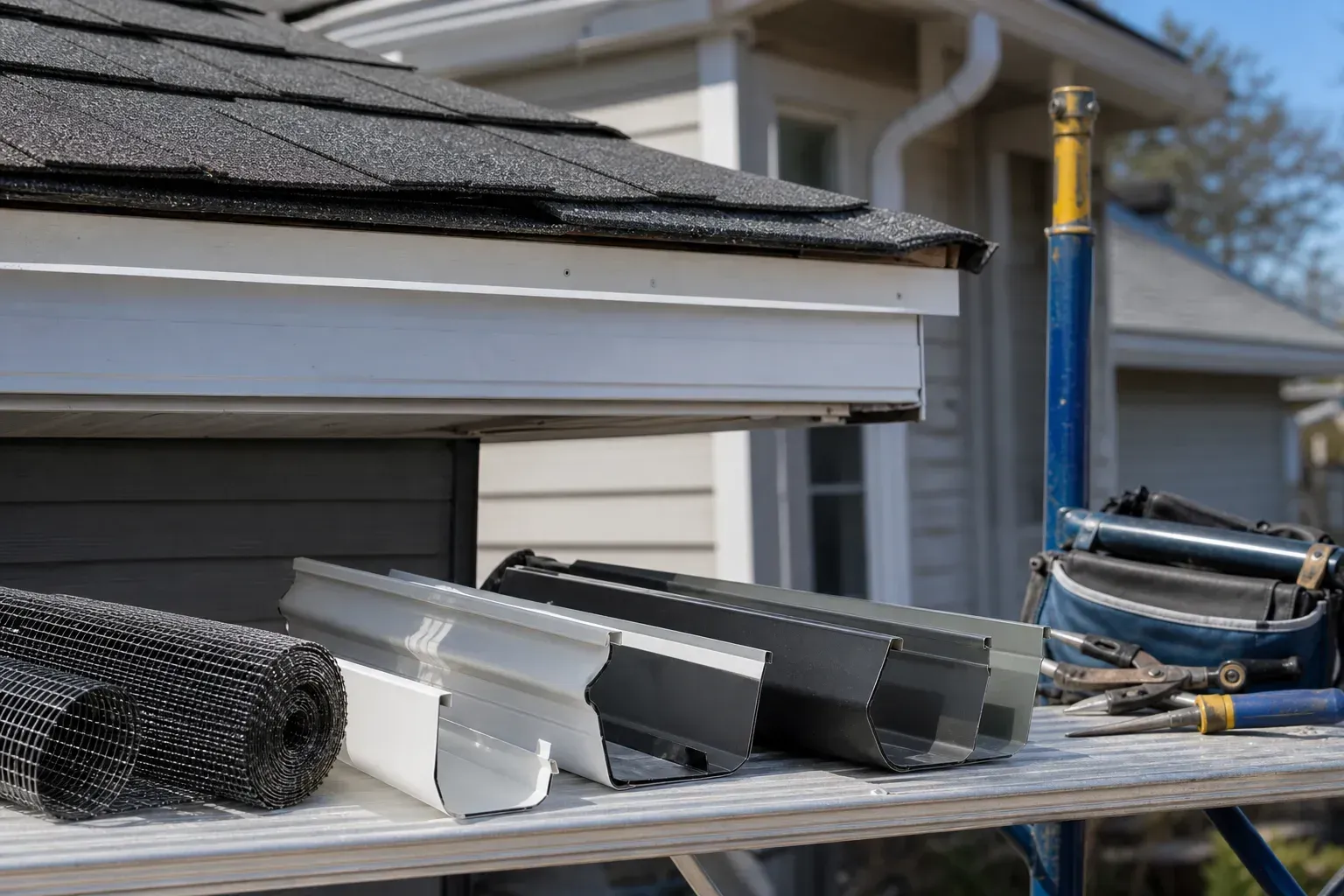
Cleaning helps, but it's a maintenance cycle, not a fix. Homeowners who want to stop dealing with rain gutter overflow every season should consider a combination of upgraded gutter sizing, quality gutter guard installation, and professionally calibrated downspout placement. These upgrades pay for themselves by protecting foundations, siding, and landscaping from repeated water damage.
If you're unsure whether your current system is sized correctly or positioned properly, a free estimate gives you a clear picture without any guesswork. The team at Final Solution Gutter Guards ROC serves Webster, Rochester, Greece, Gates, Williamson, and all surrounding Monroe County communities.

Not sure where to start? Read through our practical guide on when to repair, replace, or add gutter guards to help you decide which upgrade makes the most sense for your home's situation.
Frequently Asked Questions
Why are my gutters overflowing even though they were just cleaned?
Cleaning removes debris, but it doesn't fix slope problems, undersized channels, or downspout capacity issues. If overflow continues after a thorough cleaning, the system likely has a structural or sizing problem that requires a professional assessment. A clogged underground drain line or a downspout that discharges too close to the foundation can also cause the appearance of overflow when water backs up from below.
How do I know if my gutters are the right size for my roof?
A general rule is that 5-inch gutters work for roofs with a moderate pitch and smaller drainage area, while steeper or larger roofs typically need 6-inch gutters with a higher downspout count. A qualified contractor can measure your roof's square footage and pitch to calculate the correct sizing. If you're in the Rochester area, our gutter installation page covers what that assessment involves.
What is the correct slope for a residential gutter?
Most installation standards call for a drop of approximately one-quarter inch per 10 feet of gutter run toward the downspout. Too little pitch and water sits in the channel. Too much and it rushes the downspout opening and can overflow at that point instead.
Correct pitch is one of the most common things that gets missed on original installations and is easy to adjust during a repair visit.
Can a rain barrel for gutter overflow help reduce water damage?
A rain barrel for gutter overflow can capture and redirect a portion of the water that would otherwise discharge near your foundation, particularly useful for managing moderate rainfall and conserving water for garden use. However, a rain barrel fills quickly during a heavy Rochester storm and won't prevent overflow if the underlying gutter problem isn't addressed. Think of it as a supplemental tool rather than a replacement for a properly functioning drainage system.
As Gold Shield Exteriors explains in their overflow guide, resolving the root cause of overflow is always the priority before adding accessories.
Is a rain chain for gutter overflow a practical alternative to downspouts?
A rain chain for gutter overflow replaces a traditional downspout with a decorative chain or series of cups that guide water visually downward. They work reasonably well during light to moderate rain but can struggle to handle the high-volume flow that Rochester storms produce. They're a better fit for homes where aesthetics matter and rainfall is manageable, but for primary drainage on a full-size gutter run, a properly sized downspout remains the more reliable choice.
How often should gutters in the Rochester area be cleaned?
Most Monroe County homes benefit from at least two cleanings per year: one in late spring after tree seeds and pollen fall, and one in late fall after leaves have dropped. Homes surrounded by pine trees or with heavy canopy overhead may need a third cleaning. Consistent maintenance is the single best way to prevent debris-related overflow without modifying the system itself.
What damage can rain gutter overflow cause to my home's foundation?
Repeated overflow deposits water directly at the base of your home's exterior walls. Over time, that water saturates the soil, increases hydrostatic pressure against the foundation, and can lead to basement seepage, cracking, and efflorescence on concrete block walls. In colder months, that saturated soil can freeze and expand, accelerating foundation movement.
It's one of those problems that looks minor on the surface but compounds significantly over several seasons.
 Contact Us for a Free Estimate! Share a few details with Final Solution Gutter Guards ROC, we'll help you choose the right next step. Get a free estimate |