Key Takeaways
- Incorrect slope is the most common hidden mistake and causes standing water, debris buildup, and sagging within years.
- Poorly sealed joints allow water to leak behind fascia boards and into walls long before visible damage appears.
- Inadequate hanger spacing leads to sagging, pulling, and eventual fascia rot, especially under Rochester's heavy snow and ice loads.
- Early warning signs like pooling water, sagging sections, and seam leaks can all trace back to installation day.
- Professional gutter installation includes specific slope, spacing, sealing, and weatherproofing standards that protect your home for decades.
Why Gutter Installation Quality Matters More Than You Think
Most homeowners think about gutters in terms of style and price. The real question is whether the system will still be doing its job five years from now. Improper gutter installation doesn't announce itself on day one. It hides in the pitch angle, the spacing of hangers, and the quality of the seals, and only reveals itself after the first hard winter or a few seasons of Rochester's freeze-thaw cycles have done their work.
The True Cost of Gutter Failure Within Five Years
Gutter failure rarely means just replacing the gutters. It typically means repairing the fascia boards they pulled away from, treating mold in the walls, and in serious cases addressing foundation damage from chronic water pooling. A basic improper gutter installation project costs far less than the downstream repairs a failed system creates.
According to guidance from roofing and gutter contractors on common installation failures, gutter installation mistakes can cost homeowners thousands of dollars in secondary damage that goes well beyond the gutters themselves. That's the real risk of cutting corners or hiring an under-qualified crew.
How Poor Installation Accelerates Water Damage
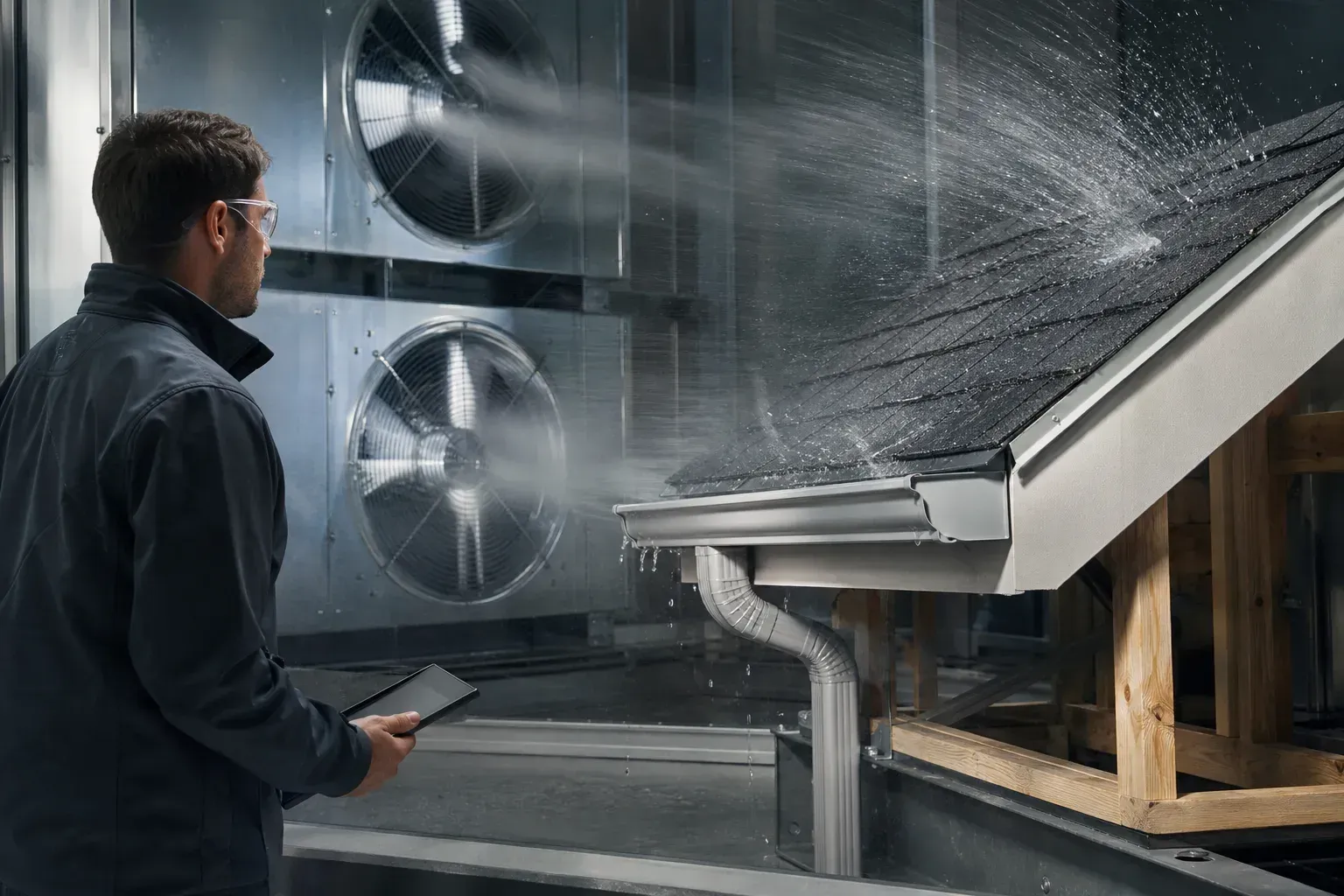
Water that can't drain properly has to go somewhere. It backs up under shingles, pools against fascia boards, saturates soffit material, and eventually finds its way into your attic or wall cavities. In our climate, that trapped moisture freezes and expands in winter, accelerating the damage with every cold snap.
Homes in Rochester and Webster deal with significant rainfall in spring and fall, plus ice damming in winter. A gutter system that was installed even slightly off-spec handles that weather poorly from the start.
Why Professional Installation Standards Exist
Professional standards for improper gutter installation exist because the margin for error is genuinely small. Slope tolerances are measured in fractions of an inch per foot. Hanger spacing is determined by roof load and material type.
These aren't suggestions, they're the difference between a system that lasts 20-plus years and one that fails in three. Across the industry, proper installation technique directly affects long-term gutter performance, from water flow control to structural stability.
Three Hidden Mistakes That Doom Your Gutter System
The three most damaging improper gutter installation mistakes, wrong slope, poor sealing, and inadequate fastening, are invisible on installation day but cause measurable failure within two to five years.
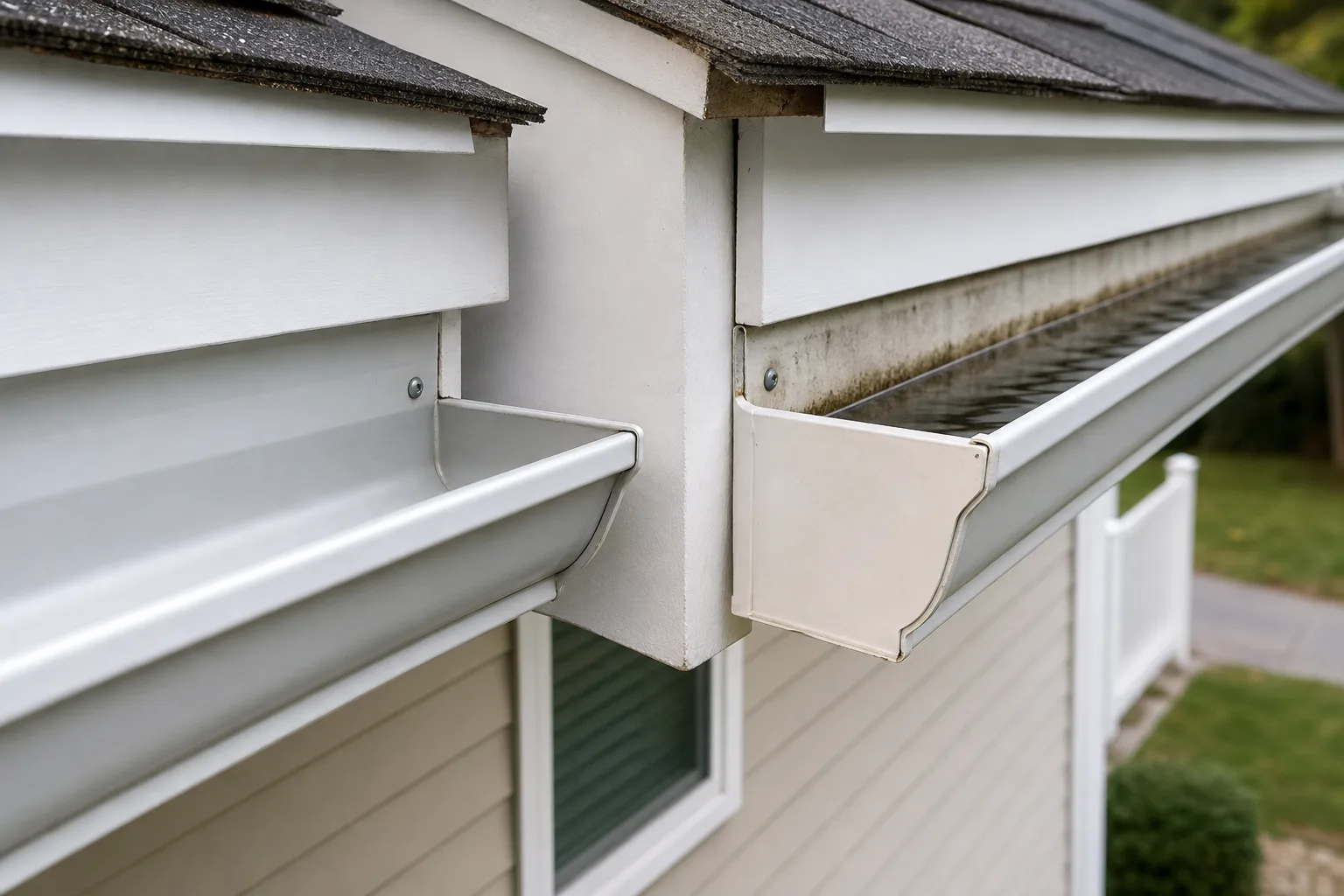
Mistake 1: Incorrect Slope and Pitch Angles
Gutter slope requirements are specific: gutters need to drop roughly a quarter-inch for every 10 linear feet of run, directing water toward the downspout. Many DIY installs and some budget contractors skip the level check and eyeball it. The result is a gutter that looks fine from the driveway but pools water at every low point.
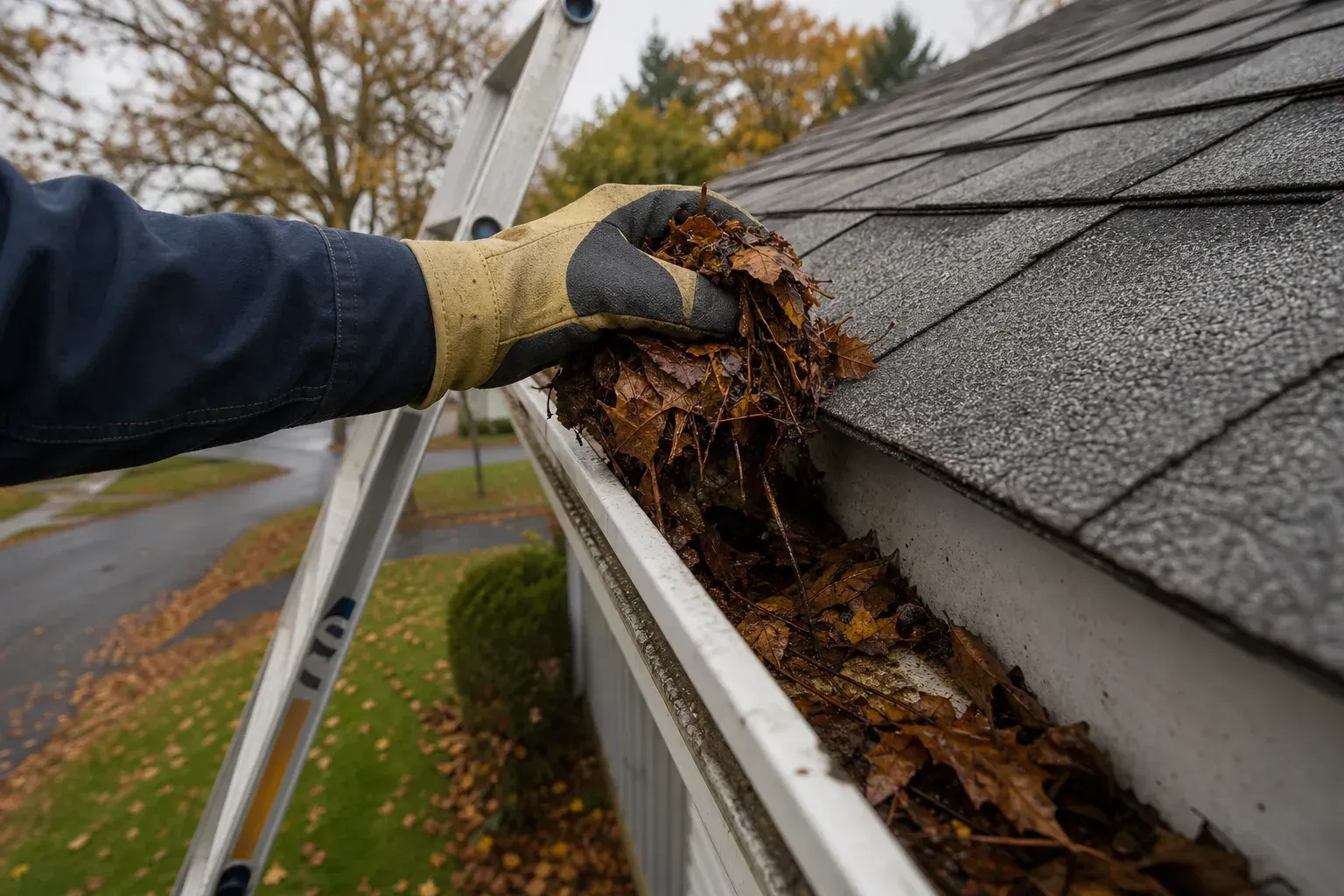
Standing water breeds mosquitoes, accelerates corrosion, and adds weight that pulls hangers loose over time. A gutter that runs level, or worse, pitches away from the downspout, will sag within a few seasons under the weight of standing water and debris. Once sagging starts, no amount of tightening fixes the underlying slope problem.
As noted in a breakdown of common gutter installation mistakes, improper slope is consistently one of the first problems identified in failing gutter systems, often paired with poor downspout placement that compounds the drainage issue.
Mistake 2: Poor Sealing and Joint Gaps
Sectional gutters have seams. Every seam is a potential leak point, and if those joints aren't sealed with the right product and technique, water will find its way through. Even a hairline gap lets water drip behind the gutter and run down the fascia, often completely invisible from the ground until the wood is already rotted.
Silicone-based gutter sealants applied to clean, dry metal at the right temperature create a watertight joint that lasts years. Rushed installs often skip proper surface preparation, apply sealant in cold or wet conditions, or use the wrong product entirely. The leak doesn't show up immediately.
It shows up as a soft spot in the fascia board two winters later.
Mistake 3: Inadequate Fastening and Support
Gutter hangers need to be spaced 24 to 36 inches apart under normal conditions, and closer in climates with heavy snow and ice loads like ours here in Monroe County. Hangers driven into the fascia instead of the rafter tails lose their grip over time. Too few hangers means the gutter spans too much unsupported distance and begins to bow.
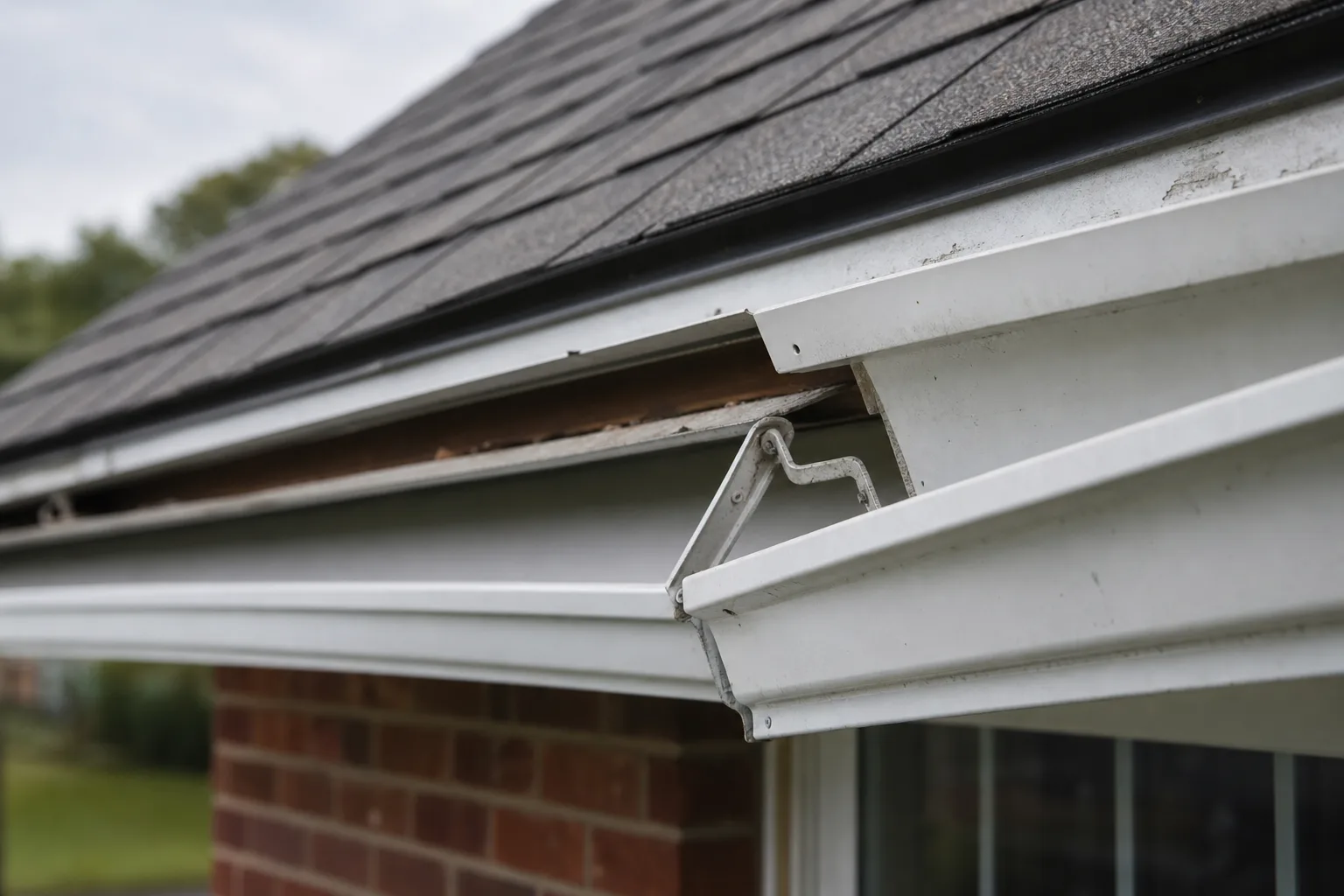
A sagging gutter system doesn't just look bad. It changes the slope, creates new pooling points, and eventually pulls the fascia off the house entirely. Inadequate hanger support is one of the most avoidable mistakes in gutter installation, and one of the most damaging when it's combined with the weight of ice and wet leaves.
Early Warning Signs of Improper Installation
Catching problems early saves you from the cascade failures that come later. Here's what to look for on your next walkabout around the house.
Pooling Water and Sagging Sections
If you see standing water in your gutters after rain clears, or you notice sections that look like they're dipping in the middle, that's a slope or hanger problem. Check your gutters during or right after a rainfall to see how water actually moves through the system.
Leaks at Seams and Connection Points
Water dripping or streaking from the middle of a gutter run, rather than from the downspout, points to a failed joint seal. Look for staining on the fascia or soffit directly below any seam or end cap.
Separation from Fascia or Roof Edge
A gap between the back of the gutter and the fascia board means hangers have pulled out or the fascia itself has softened from moisture. Don't wait on this one. Once the fascia is compromised, repair costs climb quickly.
How Installation Mistakes Lead to Cascade Failures
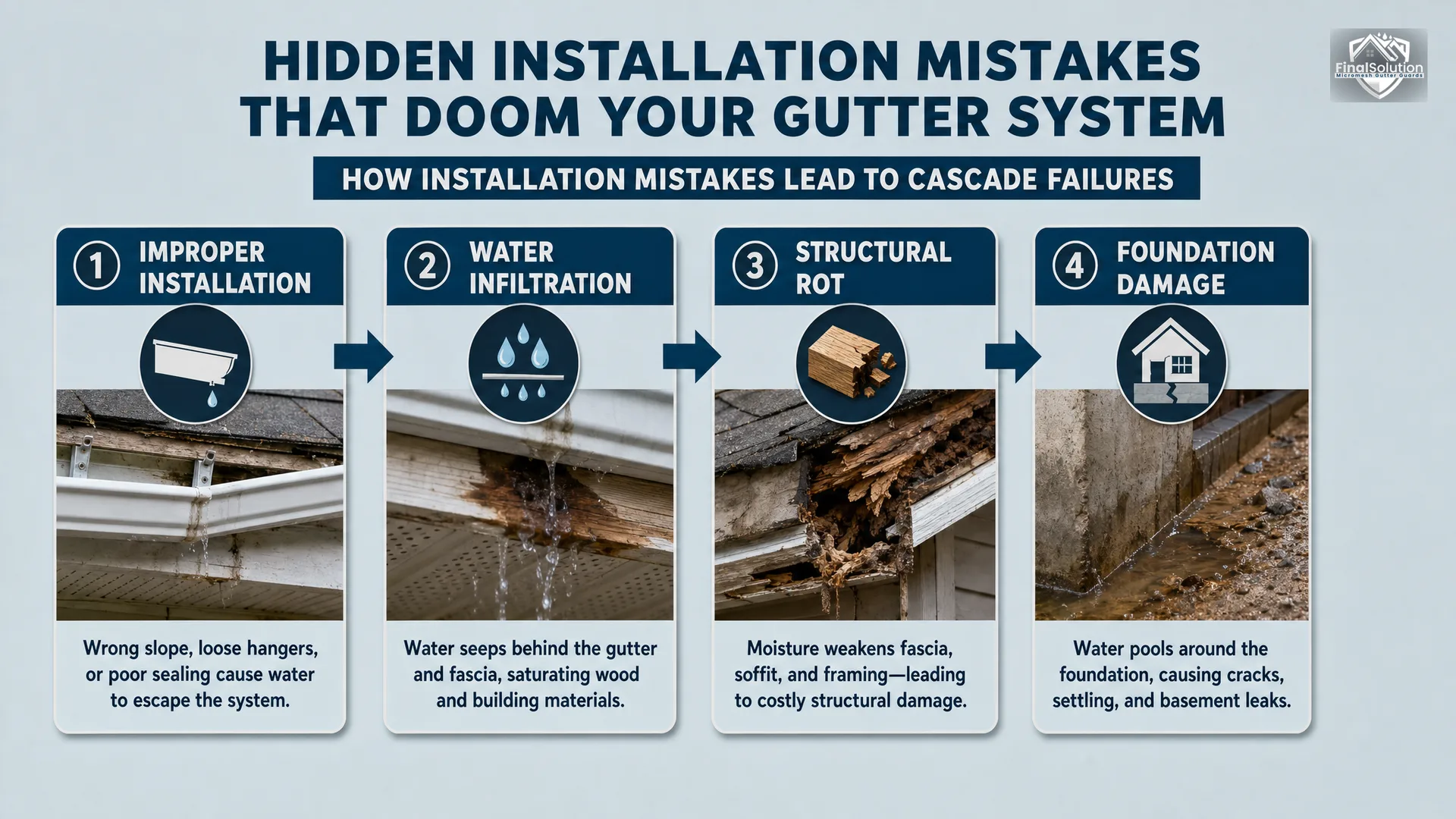
A single installation mistake rarely stays contained. It triggers a chain of damage that reaches well beyond the gutter line.
Water Infiltration Into Attics and Walls
Water that backs up under shingles or runs behind the fascia follows the path of least resistance into wall cavities and attic spaces. You may not notice anything until you see water stains on interior ceilings or drywall, by which point the damage is already significant.
Mold Growth and Structural Rot
Persistent moisture in wall cavities and attic insulation creates ideal conditions for mold. Structural rot in rafter tails and fascia boards follows. Remediation for mold and rot is expensive, disruptive, and entirely preventable with a properly installed gutter system.
Foundation Settling and Basement Flooding
Water that overflows or leaks from a failed gutter system pools at the foundation perimeter. Over time, saturated soil puts pressure on basement walls and can cause settling. Homeowners in areas with clay-heavy soils, common across parts of Monroe County, are especially vulnerable to this kind of cumulative damage.
What Professional Installation Standards Require
| Standard | Specification |
|---|---|
| Gutter slope | ~1/4 inch drop per 10 linear feet toward downspout |
| Hanger spacing | Every 24 inches (closer in snow-load climates) |
| Downspout frequency | One downspout per 30, 40 linear feet of gutter |
| Sealant type | Silicone-based gutter sealant, applied to clean/dry metal |
| Fascia attachment | Screws into rafter tails (not just fascia board) |
| Gutter clearance | Positioned to catch full roof runoff without overhanging shingles |
Proper Slope, Hangers, and Material Specifications
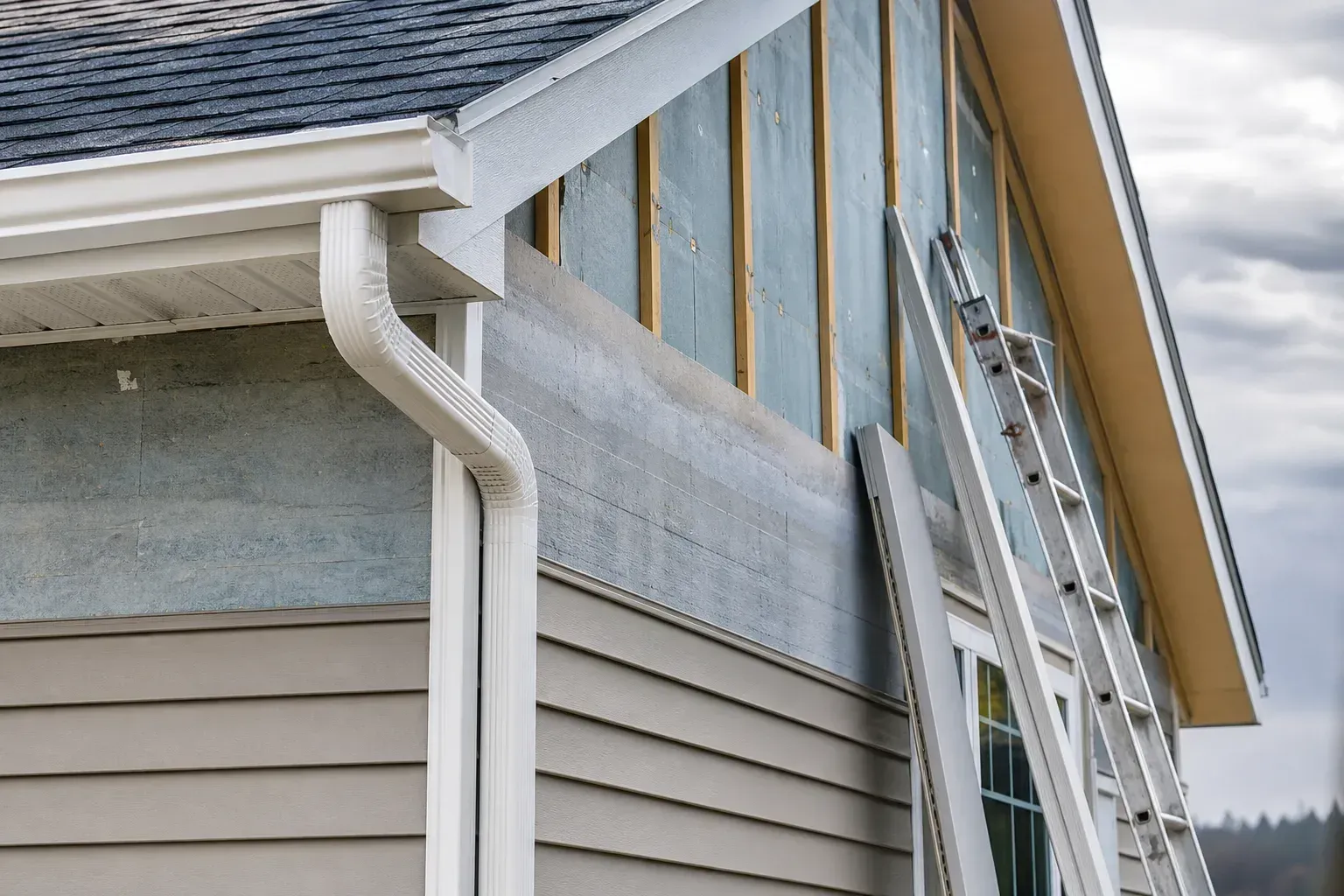
Professional installers set slope with a level and string line before a single hanger goes in. They select hanger type and spacing based on the roof pitch, gutter material, and expected snow load. For seamless gutter installation, the absence of sectional seams eliminates the most common leak point altogether, a major advantage in wet climates.
Sealing, Caulking, and Weatherproofing Methods
Where seams do exist, at corners, end caps, and downspout connections, professional installation uses the right sealant, applied correctly. Surface prep matters as much as the product. Clean, dry metal and the right application temperature are non-negotiables for a seal that holds through freeze-thaw cycling.
Local Building Codes and Climate Considerations
Monroe County's climate demands more from a gutter system than regions with mild winters. Ice dam conditions, freeze-thaw cycling, and significant spring rainfall all stress gutters in ways that aren't reflected in generic installation guides. Installers who work specifically in the Rochester area understand how to spec a system that handles local weather patterns year after year.
How to Prevent Improper Installation Before It Starts
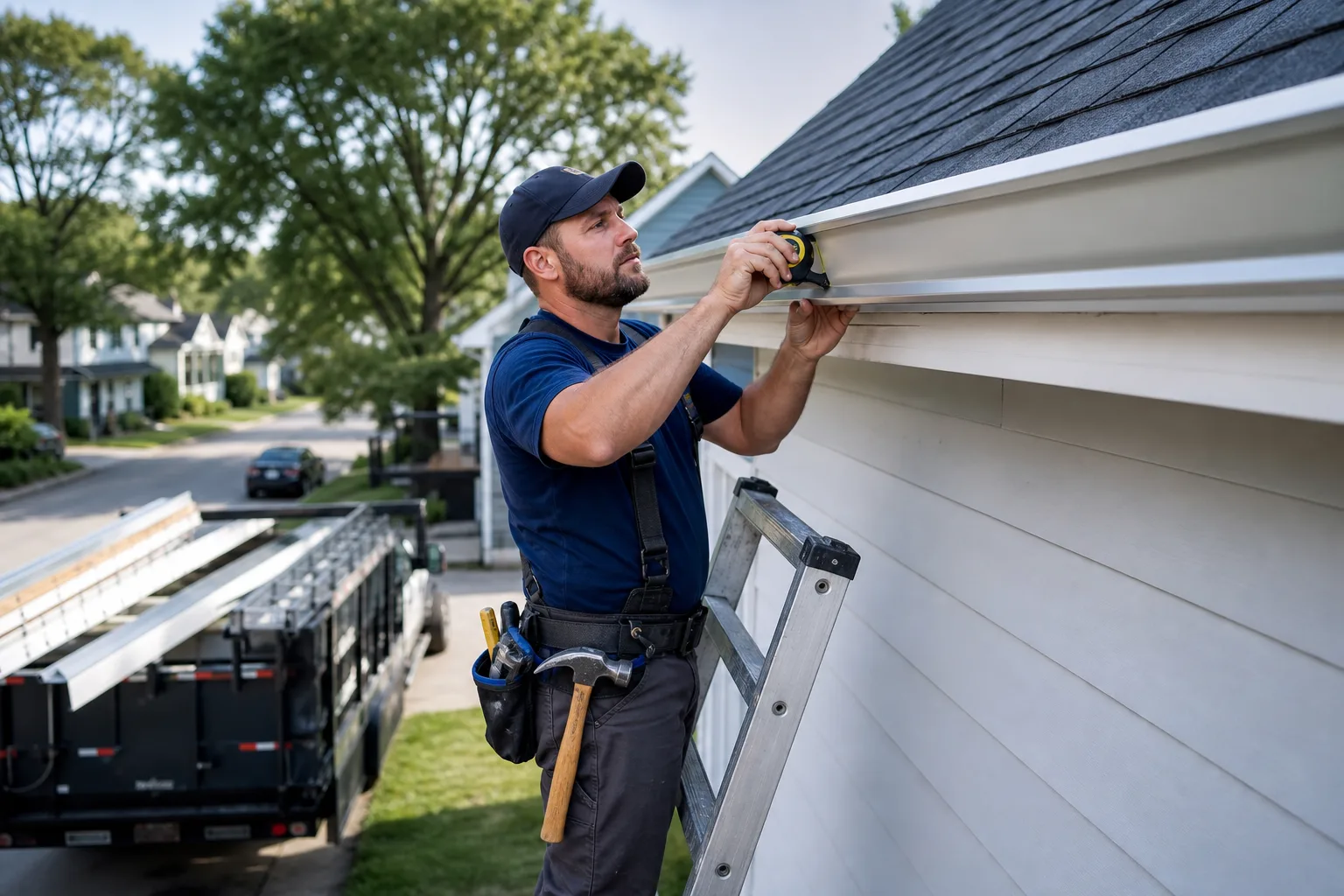
The best time to prevent installation problems is before work begins.
Vet Contractors With Credentials and References
Ask for references from recent jobs in your area. A contractor who does regular work in Webster, Greece, or Rochester will have local examples of completed systems youcan verify. Local contractors also understand the specific demands of Monroe County winters, something a national chain crew dispatched from out of the area simply won't.
Be cautious of bids that are significantly lower than others. A price that seems too good usually reflects skipped steps: fewer hangers, no slope verification, or bargain-bin sealant that fails within a season or two.
Demand a Written Scope of Work and Warranty
A professional contractor should give you a written estimate that spells out the materials being used, the hanger spacing, how joints will be sealed, and where downspouts will be placed. If a contractor can't or won't put those details in writing, that's a red flag worth taking seriously.
Gutter installation cost varies depending on linear footage, material, and the complexity of your roofline, but a written scope protects you regardless of price. It gives you something to point to if the work doesn't match what was promised. Ask specifically about the warranty on both materials and labor, a confident installer stands behind both.
For a straightforward look at what professional gutter downspout installation involves, including placement and spacing requirements, review our service details before your next estimate.
Schedule Inspections During and After Installation
You don't have to take the contractor's word for it. Ask to inspect the slope before the gutters go up, and walk the perimeter once installation is complete. Run a garden hose through the system and watch where the water goes.
Does it move toward the downspout without pooling? Does it exit cleanly at the bottom without dripping from seams?
A quick post-install check takes 15 minutes and can catch problems that would otherwise stay hidden until the first major rainstorm. If you're not comfortable doing it yourself, a second set of professional eyes, even a brief inspection, is worth every dollar.
| Warning Sign | Likely Cause | Urgency |
|---|---|---|
| Water pooling inside gutter | Incorrect slope or no pitch | High, repair before next rain season |
| Dripping at seams | Failed or missing sealant | High, leads to fascia rot quickly |
| Gutter pulling from fascia | Too few hangers or hanger pullout | High, structural damage risk |
| Streaking on fascia board | Water running behind gutter | Medium, inspect seals and alignment |
| Sagging middle section | Hanger spacing too wide | Medium, will worsen under snow load |
| Overflow during heavy rain | Undersized gutter or wrong slope | Medium, may need upsizing |
Frequently Asked Questions
How do I know if my gutters were installed incorrectly?
The most reliable test is to run water through the system with a garden hose and observe how it flows. Water should move smoothly toward the downspout without pooling anywhere along the run. If you see standing water, dripping at seams, or water spilling over the edge during normal rainfall, those are clear signs of improper gutter installation.
You can also check for visible gaps between the back of the gutter and the fascia board, or sections that appear to bow or sag. Both point to fastening or slope problems.
What is the correct slope for gutters?
Gutter slope requirements call for approximately a quarter-inch of drop for every 10 linear feet of gutter run, directed toward the nearest downspout. This pitch is subtle enough that it won't be obvious to the eye, which is why installers use a level and string line to set it accurately before mounting hangers.
A gutter that looks level from the ground may actually be pitching the wrong direction. Only a proper measurement, not a visual estimate, confirms correct slope.
How often should gutter hangers be spaced?
In most residential applications, hangers should be placed every 24 inches along the gutter run. In climates with significant snow and ice, like Rochester and Monroe County, closer spacing is often recommended to handle the added weight of ice dams and accumulated snow. Hangers should be fastened into rafter tails rather than just the fascia board for maximum holding strength.
Spacing hangers too far apart is one of the most common shortcuts taken on low-bid jobs, and it's one of the fastest ways to end up with sagging gutters after a hard winter.
What is the typical gutter installation cost for a Rochester-area home?
Gutter installation cost depends on several factors: the linear footage of your home's roofline, the gutter material (aluminum, steel, or copper), the profile size (5-inch versus 6-inch K-style are most common), and whether you're adding gutter guards or replacing downspouts at the same time.
Costs vary across projects, so the most reliable way to understand your specific situation is to request a free gutter estimate from a local contractor who can assess your home directly. Written estimates from two or three contractors also give you a fair basis for comparison.
Can improper gutter installation void a roofing warranty?
It can. Many roofing material manufacturers include provisions related to proper water management at the roofline. If water backs up under shingles due to a poorly installed or non-functional gutter system, a warranty claim on related roof damage may be denied.
This is one reason why professional installation standards matter beyond just the gutters themselves.
If you're having a new roof installed, it's worth coordinating gutter work at the same time so both systems are installed correctly and complement each other.
Do seamless gutters eliminate all installation problems?
Seamless gutters eliminate the most common source of leaks, mid-run seams, but they don't remove every potential installation error. Slope still needs to be set correctly. Hangers still need proper spacing.
End caps and downspout connections still require quality sealant and weatherproofing.
That said, seamless systems do significantly reduce leak risk compared to sectional gutters when both are installed correctly. For most Monroe County homeowners, the combination of seamless construction and professional installation is the most reliable long-term choice. You can learn more about what sets seamless gutter installation apart from sectional alternatives.
 Contact Us for a Free Estimate! Share a few details with Final Solution Gutter Guards ROC, we'll help you choose the right next step. Get a free estimate |