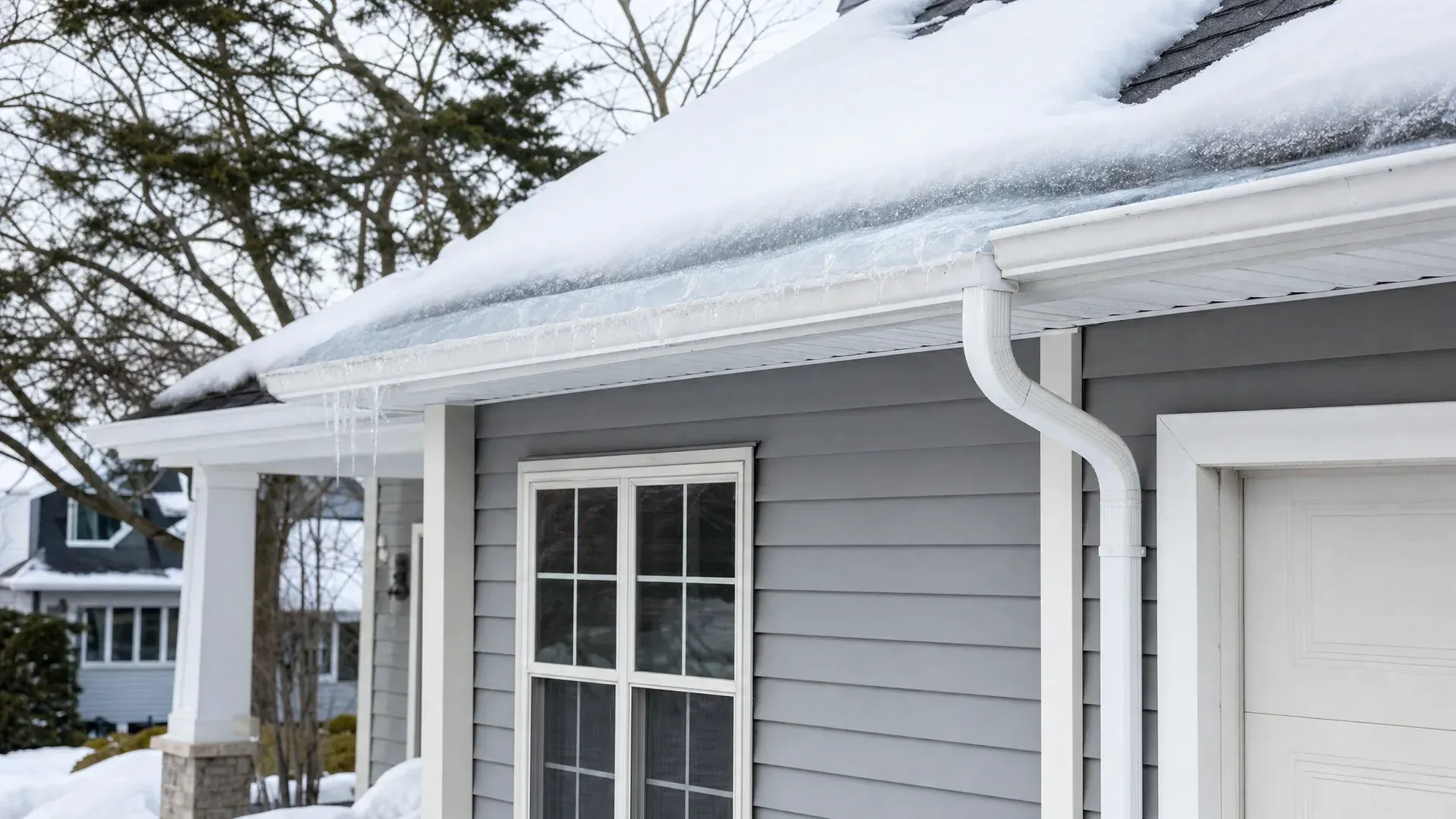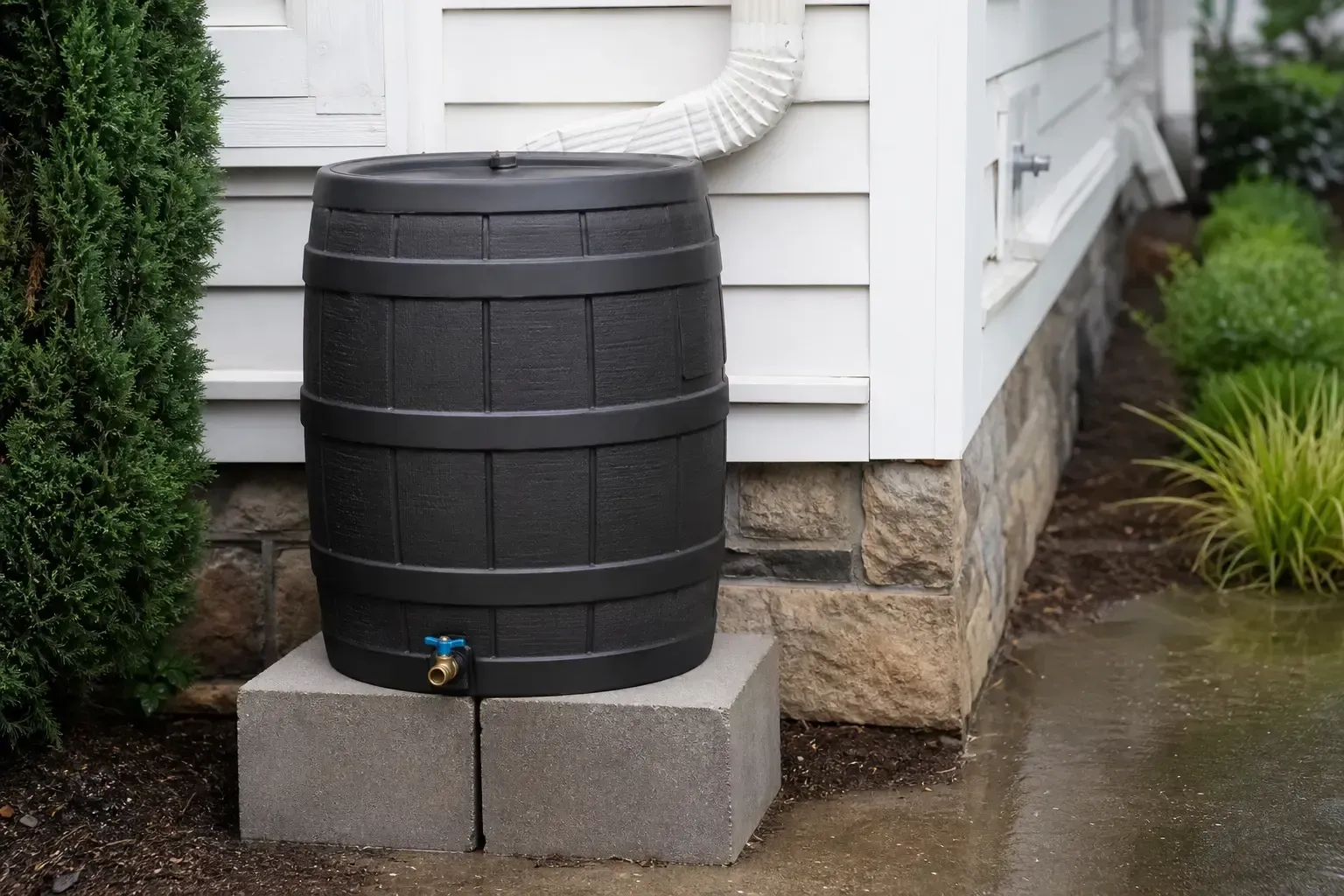

If you live in Webster, Rochester, Greece, or anywhere else in Monroe County, you already know what a lake effect snow event feels like. Snow comes fast and heavy, temperatures swing between freezing and thawing within hours, and your gutters take the punishment. Choosing the best gutters for snow and ice conditions means understanding why well-designed gutter systems routinely outperform gutter guards when lake effect season arrives, and why the right installation choice protects your home far better than a screen or cover ever could.

Key Takeaways
- Lake effect snow creates rapid freeze-thaw cycles that overwhelm most gutter guard designs.
- Wider, seamless gutters with reinforced hangers handle ice weight and snowmelt volume that guards simply cannot manage.
- Gutter ice dam prevention depends more on proper drainage capacity and material strength than on a guard product alone.
- Heated gutters and professional downspout systems are practical options for Monroe County homes that see repeated winter damage.
- Upgrading your gutter system typically delivers better long-term value than layering guards onto undersized or aging gutters.
For more on Key Takeaways, see Federal Trade Commission.
Why Lake Effect Snow Overwhelms Standard Gutter Guards
Lake effect snow events dump large volumes of heavy, wet snow in short windows, creating ice loads and meltwater surges that exceed the capacity of most gutter guard systems designed for moderate climates.
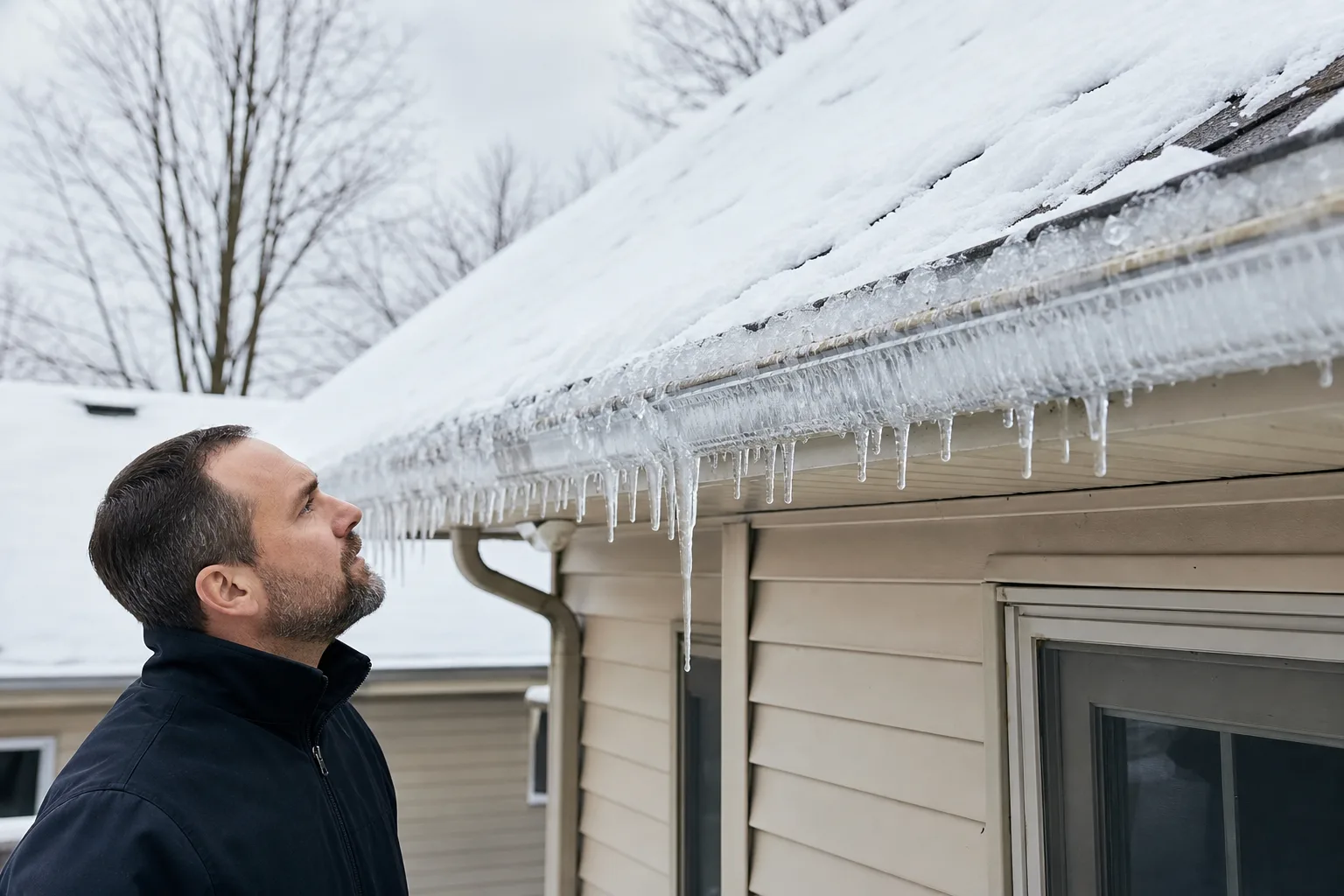
Monroe County sits squarely in one of the most active lake effect corridors in the country. Cold air masses picking up moisture from Lake Ontario can drop a foot or more of dense, wet snow in a matter of hours, then temperatures climb just enough to start the melt before dropping again overnight.
How Lake Effect Systems Create Extreme Ice Accumulation
Standard lake effect events are not the same as a typical snowfall. The snow that arrives off Lake Ontario tends to be heavier and wetter than interior snow, and it often falls at rates that compact quickly on roofs and in gutters. That density creates a chain reaction: snow sits in and on top of your gutters, partial melting begins, water refreezes, and an ice block forms inside the channel.
What makes the Rochester region particularly demanding is the cycle frequency. Some winters bring multiple lake effect events in the same week, stacking ice accumulation before prior melt has a chance to drain.
The Weight and Density Problem Guards Cannot Solve
Gutter guards are designed to keep debris out, not to manage structural ice loading. A heavy snow-and-ice combination can add significant weight to the front edge of your gutters, pulling hangers away from the fascia and bending the gutter channel itself. No screen, micro-mesh, or surface-tension cover addresses that mechanical stress.
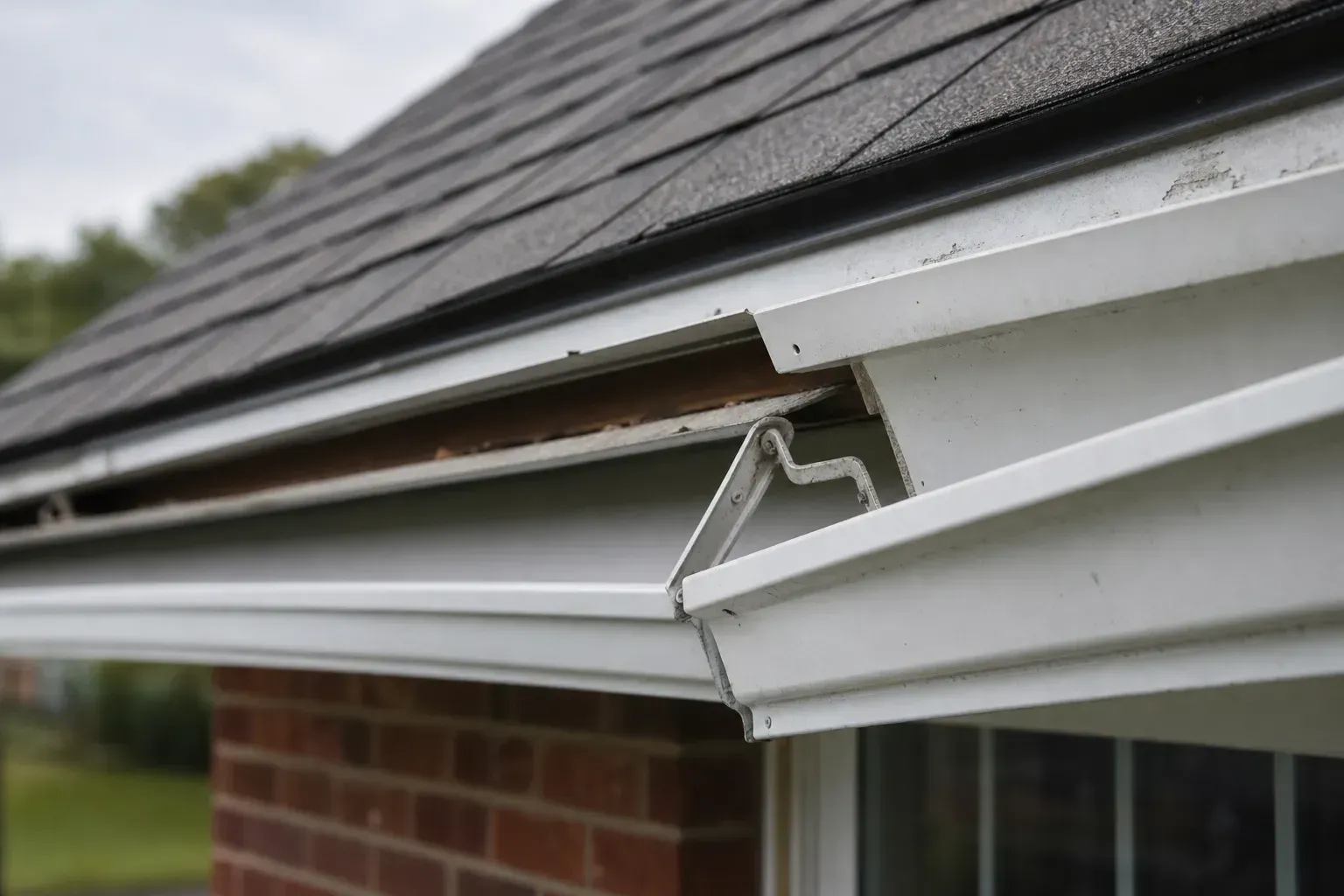
In our experience working on homes across Webster and the broader Monroe County area, we see guard systems popped off their mounting clips, bent inward, or simply filled with ice underneath the cover, leaving the homeowner with the false impression that the guard is "handling it."
Guard Failure Patterns During Rapid Freeze-Thaw Cycles
Freeze-thaw cycles are the hidden enemy of most guard materials. Plastics and cheaper metals expand and contract with temperature swings, loosening connections over time. Water that infiltrates a guard's mounting gap refreezes and acts as a wedge, prying the cover away from the gutter lip.
When that happens, debris enters freely and meltwater has nowhere to go except over the edge, directly toward your foundation.
Three Ways Superior Gutters Outperform Guards During Lake Effect Season
Properly sized, professionally installed gutters with reinforced mounting systems manage lake effect loads in ways that guard products are not engineered to address.
Wider Capacity and Seamless Design Prevent Overflow and Ice Dams
Standard 5-inch K-style gutters handle typical rainfall, but lake effect snowmelt can produce flow rates that overwhelm them quickly. Upgrading to 6-inch seamless gutters increases water-carrying capacity noticeably, reducing the chance that overflow will back up under shingles and form an ice dam.
Seamless gutter installation eliminates the seam joints where ice most commonly forms a blockage. A seamed gutter has connection points every ten feet or so, and each one is a potential leak point and an ice-formation site. Seamless aluminum gutters run the full length of a roofline with no joints between the downspout connections, keeping water moving instead of pooling and freezing.
Heavy-Duty Materials and Reinforced Hangers Handle Lake Effect Load
The hangers holding your gutters to the fascia board matter as much as the gutter material itself. Standard spike-and-ferrule fasteners can pull free under ice weight. Hidden hanger brackets spaced closer than the builder minimum, combined with 0.032-inch or thicker aluminum, give the system the structural backbone to carry a loaded gutter without pulling away from the roofline.
Gutter installation done right starts with correct pitch, proper hanger spacing, and material gauge matched to the local climate. Getting those details right during installation is what separates a gutter that lasts through Monroe County winters from one that sags by February.
Advanced Drainage Systems Keep Water Moving Before It Freezes
Downspout placement and sizing are often overlooked. A single 2×3-inch downspout on a long gutter run cannot drain snowmelt fast enough to prevent refreezing. Adding a second downspout, upgrading to 3×4-inch downspouts, and extending discharge lines away from the foundation all reduce the volume of standing water that turns to ice inside the channel.
Downspout installation paired with proper underground drainage or splash block positioning makes a real difference in how quickly your system clears meltwater during the thaw phase of a lake effect cycle.
What Gutter Guards Miss: The Real Damage Lake Effect Snow Causes
Ice Dam Formation Behind Guards and Roof Leaks
Ice dams form when heat escaping through the roof melts snow on the upper surface, water runs down toward the eave, then refreezes at the colder overhang. A gutter guard can actually make this worse by blocking the escape path for meltwater and encouraging it to back up under shingles. The U.S. Department of Energy notes that proper attic insulation and ventilation are the first defense against ice dam formation, but adequate drainage at the eave is equally critical.
When water gets under shingles and refreezes, the resulting damage to sheathing, insulation, and interior ceilings can run into thousands of dollars, far more than the cost of a proper gutter upgrade.
Fascia Board Rot and Foundation Damage from Backed-Up Snowmelt
Meltwater that cannot drain freely does not disappear; it goes somewhere. If it backs up behind a guard or over the gutter lip, it runs down the fascia board, soaks into the soffit, and eventually reaches the foundation. Repeated wet-dry cycles on wood fascia lead to rot that compromises the structural attachment point for your gutters.
At ground level, that same water can enter basement walls or undermine landscaping against the foundation.
The U.S. Environmental Protection Agency identifies moisture intrusion as a primary driver of mold growth in residential structures, a problem that can begin within 24 to 48 hours of water reaching interior materials.
Gutter Sagging and Separation Under Lake Effect Ice Weight
A fully iced gutter channel can weigh significantly more than the system was designed to carry. When hangers fail or pull away from soft or rotted fascia, the gutter separates from the roofline. That separation leaves a gap where water and pests can enter and means the entire gutter run needs to be rehung or replaced.
If you notice your gutters pulling away from the fascia after a heavy winter, gutter repair or replacement is the right next step before an other lake effect event hits.
Gutter Materials and Design Features That Survive Lake Effect Conditions
Aluminum vs. Copper vs. Steel: Which Handles Ice Buildup Best
Each gutter material responds differently to repeated freeze-thaw stress.

| Material | Freeze-Thaw Resistance | Typical Lifespan | Relative Cost | Snow Country Notes |
|---|---|---|---|---|
| Aluminum (0.032"+) | Good | 20, 30 years | Moderate | Most common choice; lightweight but durable |
| Copper | Excellent | 50+ years | High | Naturally resistant to corrosion; premium option |
| Galvanized Steel | Fair | 15, 20 years | Low-Moderate | Prone to rust at seams over time |
| Vinyl | Poor | 10, 15 years | Low | Becomes brittle in extreme cold; not recommended |
For most Rochester-area homeowners, heavy-gauge aluminum strikes the best balance between cost and durability. Copper is a long-term investment worth considering for high-end homes where longevity matters more than upfront cost.
Half-Round and Box Gutters vs. Standard K-Style for Snow Loading
K-style gutters are the dominant profile in residential construction, but their flat back and angled front create corners where ice can grip. Half-round gutters, by contrast, have a smooth curved interior that sheds ice more easily. For homes with historical architecture or heavier-than-average snow loading, half-round profiles are worth considering.
Box gutters, typically found on older or commercial structures, offer high volume but require more precise installation and maintenance to avoid trapping water. For most Monroe County homeowners, 6-inch K-style seamless aluminum installed with proper pitch remains the most practical solution.
Heated Gutter Systems and Preventative Technology Options
Heated gutters, also called gutter heating cables or heat tape, run along the inside of the channel and downspout to prevent ice from forming. The U.S. Department of Energy recommends addressing root causes like attic insulation first, but heat cables serve as a practical secondary measure on problem eaves where ice dams recur despite other improvements.
Self-regulating heat cables are more efficient than constant-wattage options because they adjust power output based on ambient temperature, drawing less electricity when conditions are mild. For homes in Webster, Greece, or Gates that see repeated ice dam issues, a heated gutter system installed by a qualified contractor is a sound investment.
Best Practices for Gutter Maintenance During Lake Effect Season
Pre-Winter Inspection and Preparation Checklist
Before the first lake effect event arrives, a thorough inspection catches small problems before they become expensive ones. Work through this checklist in October or early November, while temperatures still allow safe outdoor work.
- Clear all debris from gutter channels and downspout openings
- Check every hanger bracket for looseness or corrosion
- Inspect seams and end caps for gaps or sealant failure
- Confirm downspouts discharge at least 4, 6 feet from the foundation
- Test water flow by running a garden hose through each section
- Look for any sag or misalignment in the gutter pitch
- Inspect fascia boards behind the gutter for soft spots or rot
If you find loose hangers, deteriorating sealant, or sections that hold standing water, address those issues before winter sets in. A gutter that drains slowly in October will freeze solid by January.
Safe Snow and Ice Removal Techniques That Protect Gutters
Pulling ice out of gutters with a metal tool is one of the fastest ways to dent, crack, or separate a gutter channel. If you need to clear a blockage, use a plastic gutter scoop or a rubber mallet to break surface ice gently. Never chip at ice with a metal pry bar or hammer.
For roof snow removal, a roof rake with a telescoping handle lets you pull snow off the lower few feet of the roof from the ground, reducing the snowmelt volume that reaches the gutter in the first place. Leave ice dams alone unless you have professional equipment; aggressive removal can tear off shingles and damage the gutter mounting along the eave.
When to Schedule Professional Gutter Service During Freeze-Thaw Cycles
The best time to schedule professional gutter service is during a mild window between freeze-thaw cycles, typically when temperatures are above freezing for at least a full day. That window allows safe access, proper water testing, and sealant application that actually cures before the next cold snap.
If you notice water pouring over the gutter front during a thaw, or ice building up at the eave after a lake effect event, do not wait until spring. Early intervention prevents the ice weight from pulling hangers and separating the gutter from the fascia. Homeowners in Greece, NY and Webster, NY can contact Final Solution Gutter Guards ROC to get eyes on the problem quickly.
Investing in the Right Gutter System for Long-Term Lake Effect Protection
Upgrading to a properly sized, professionally installed gutter system typically costs less over ten years than repeatedly patching guards and repairing the water damage they fail to prevent.
Cost Comparison: Guards vs. Upgraded Gutters and ROI Over Time
Homeowners often assume that adding guards to existing gutters is the economical choice. The math looks different when you factor in the full picture. Guard systems from national brands can run $20, $45 per linear foot installed, and they still require the underlying gutter to be in good working condition.
If the existing gutters are undersized, corroded, or improperly pitched, the guard does nothing to fix those problems.
| Solution | Typical Installed Cost (per linear foot) | Addresses Ice Load | Addresses Drainage Capacity | Lifespan |
|---|---|---|---|---|
| Gutter guard only | $20, $45 | No | No | 10, 20 years (guard) |
| 5-inch seamless aluminum replacement | $8, $14 | Partially | Partially | 20, 30 years |
| 6-inch seamless aluminum replacement | $10, $16 | Yes | Yes | 20, 30 years |
| 6-inch seamless + heated cable | $14, $22 | Yes (active) | Yes | 20, 30 years |
These are realistic cost ranges, not guarantees. Your gutter replacement cost will vary based on linear footage, roof height, downspout count, and fascia condition. The key point is that a full replacement with the right sizing often delivers more lasting protection than a guard layered onto a system that was never built for lake effect conditions.
For a personalized estimate, the gutter replacement page outlines what goes into a proper Monroe County installation, and you can request a free on-site quote to get accurate numbers for your home.
Questions to Ask Before Choosing a Gutter System for Snow Country
Before committing to any gutter system or guard product, ask the contractor these questions:
- What gauge aluminum do you use, and is it appropriate for heavy snow loading?
- How close together do you space the hangers, and what style of hanger do you use?
- Can you upsize my downspouts to handle lake effect melt rates?
- Do you offer seamless fabrication on-site, or do you use sectional gutters?
- What is your warranty on labor, and how do you handle issues that develop over winter?
A contractor who cannot answer those questions clearly is not the right fit for a Rochester-area home. The Federal Trade Commission also recommends getting written estimates from at least two contractors and reviewing any warranty terms before signing an agreement.
Frequently Asked Questions
Do gutter guards work in heavy lake effect snow areas?
Gutter guards reduce debris entry, but they are not engineered to manage the structural ice loads and high-volume snowmelt that lake effect events produce. In Monroe County conditions, guards frequently fill with ice underneath the cover, freeze in place, or pop off their mounting clips under weight. They work best as a supplement to a well-sized, properly installed gutter system, not as a replacement for one.
What size gutters are best for snow and ice in Rochester, NY?
6-inch seamless aluminum gutters are the most practical choice for the Rochester area. They carry significantly more water volume than the standard 5-inch profile, which matters during rapid snowmelt events. Pair them with 3×4-inch downspouts and hidden hanger brackets spaced every 24, 30 inches for the best results in lake effect conditions.
How do heated gutters work, and are they worth it in Monroe County?
Heated gutters use self-regulating heat cables routed along the inside of the channel and down through the downspout. The cable warms just enough to keep water liquid so it drains instead of refreezing. For homes in Webster, Gates, or Williamson that see repeated ice dam damage despite proper insulation, the energy cost of heat cables is usually far less than the repair bills for recurring water intrusion.
How much does gutter replacement cost in the Rochester area?
Gutter replacement cost varies based on linear footage, gutter size, downspout count, and fascia condition. As a general range, 6-inch seamless aluminum installation runs approximately $10, $16 per linear foot in the Monroe County market, though your actual price depends on your specific home. The best way to get an accurate number is to request a free on-site estimate so the contractor can measure and assess your current system.
When should I replace gutters instead of repairing them?
Repair makes sense for isolated issues like a leaking seam, a loose hanger, or a cracked end cap. Replacement becomes the better investment when gutters are more than 20 years old, have multiple failing sections, are pulling away from the fascia in several spots, or are undersized for your roofline. If you are unsure, a professional inspection from a local contractor who understands Monroe County winters will give you a clear, honest answer.
You can also review the guidance on when to repair, replace, or add gutter guards for Rochester-area homeowners.
Can I install gutter guards and still get ice dams?
Yes. Ice dams form primarily because of heat loss through the roof deck and poor drainage at the eave. A guard does not change the thermal dynamics of your attic or improve your gutter's drainage rate.
In fact, some guard profiles trap snow and slow meltwater drainage, making ice dam conditions slightly worse. Proper attic insulation, ventilation, and correctly sized gutters address the root causes that guards cannot touch.
 Contact Us for a Free Estimate! Share a few details with Final Solution Gutter Guards ROC, we'll help you choose the right next step. Get a free estimate |