Key Takeaways
- Gutter guards without documented wind resistance ratings are a structural liability during high-wind events.
- Recognized testing standards like ASTM and ANSI define the performance thresholds that separate certified products from uncertified ones.
- Material choice, fastening design, and installation quality all affect how much wind load a guard system can safely carry.
- Rated guards typically come with stronger warranty coverage and may affect your homeowner's insurance standing.
- Working with a qualified local installer who understands Rochester's specific weather conditions is one of the best investments you can make.
Why No Wind Resistance Ratings Leave Your Guards Vulnerable
Gutter guards with no wind resistance certification offer no documented proof they can withstand high-wind events, leaving homeowners exposed to structural failure, water damage, and potential insurance disputes.
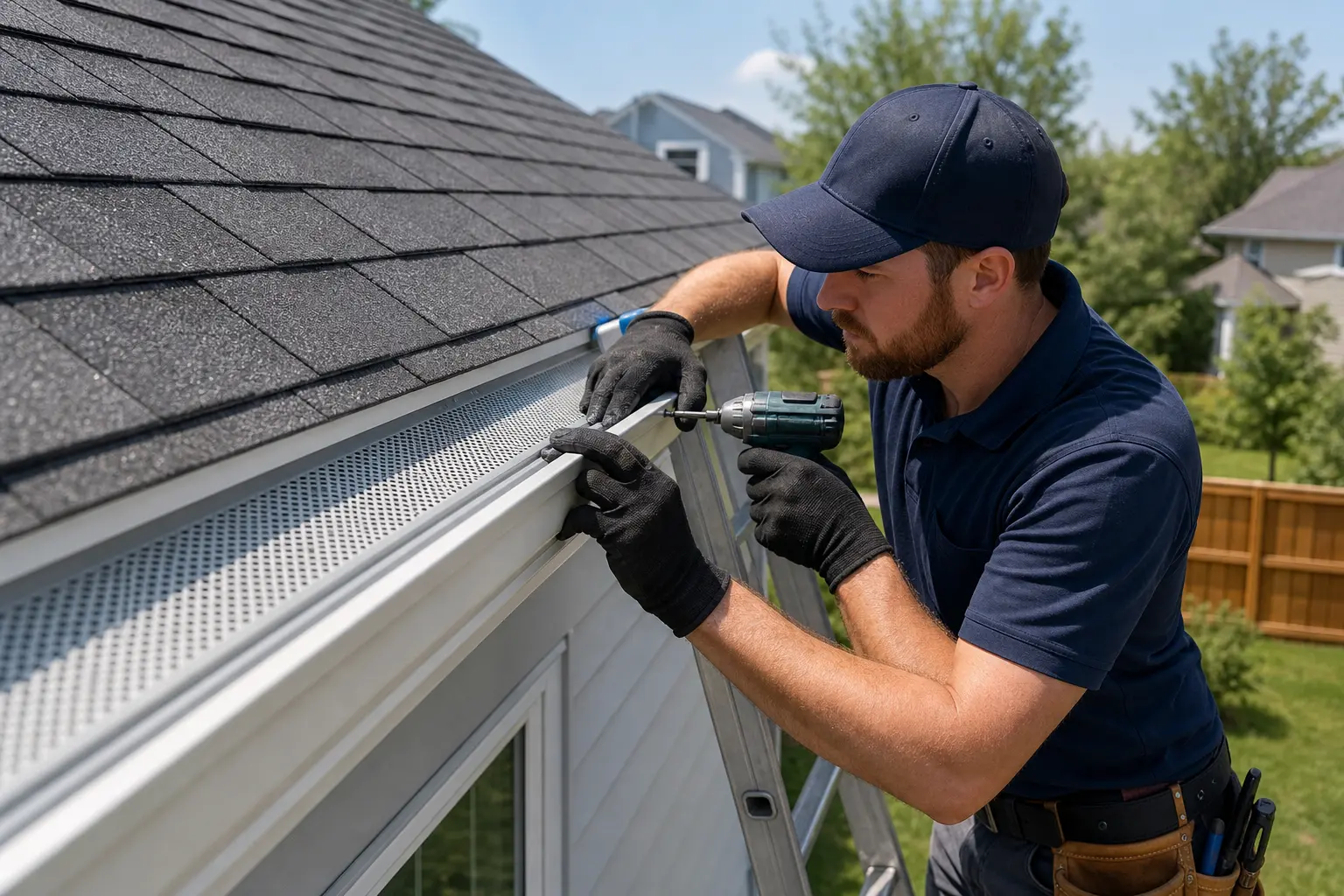
Many homeowners choose gutter guards based on price or brand recognition without ever asking whether the product has been tested for wind performance. That gap in knowledge can turn a minor storm into a costly repair bill.
The Hidden Risk of Unlisted or Uncertified Products
A product listed as having no wind resistance rating has not been independently tested or certified to hold under sustained wind pressure. That does not necessarily mean it will fail in every storm, but it does mean you have no documented baseline for performance. You are essentially guessing.
Some budget-grade guards are sold with vague marketing claims about durability, but without third-party verification, those claims carry no weight in an insurance dispute or a post-storm inspection. Understanding the difference between a sales claim and a certified rating is the first step toward protecting your home.
How Severe Weather Exploits Gaps in Guard Design
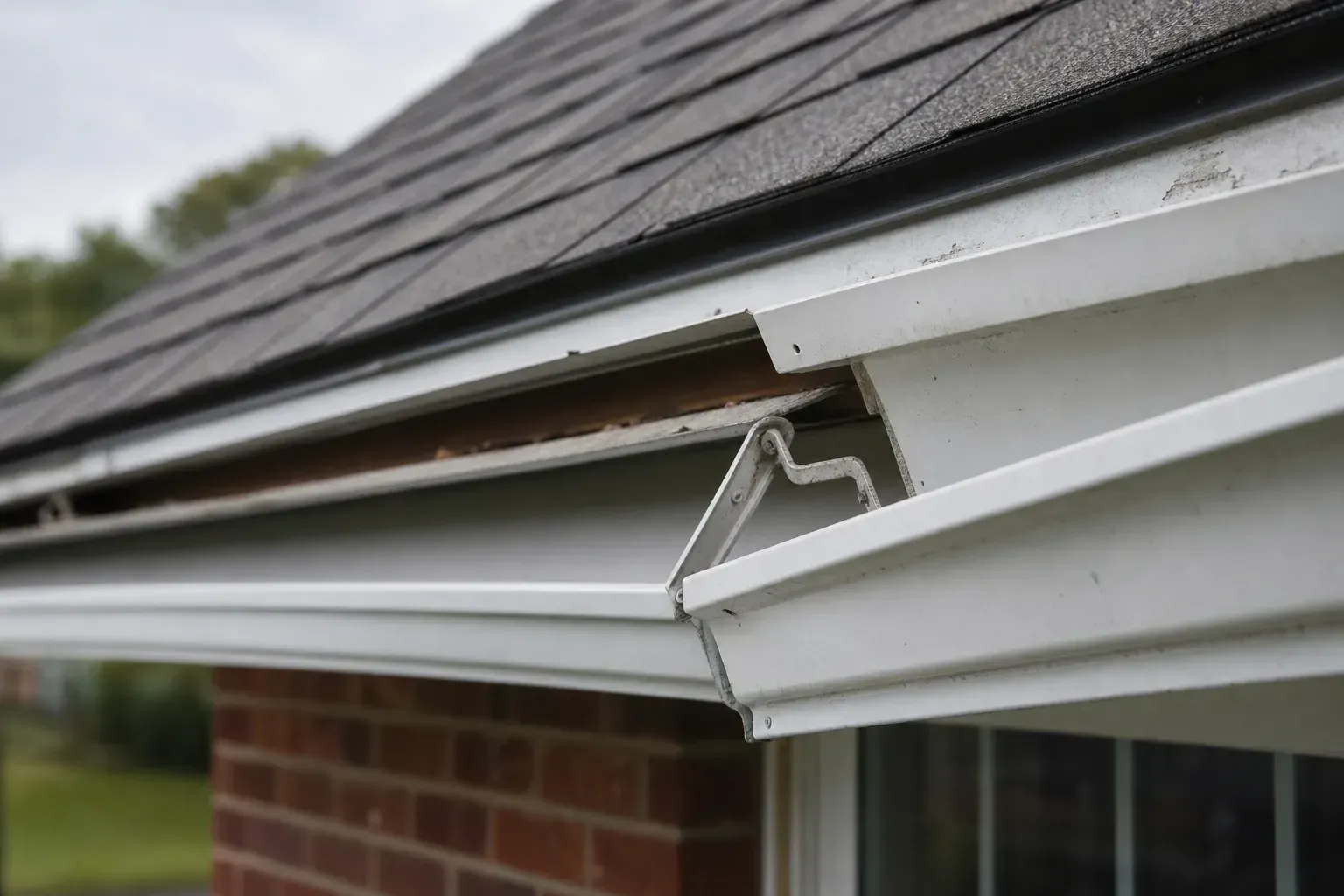
Wind does not just push against a guard from one direction. Gusts create uplift pressure on the leading edge, force lateral flex along the guard body, and generate suction on the backside of the panel. Guards that were designed only for vertical rain load can buckle or pop free under this multi-directional force.
Gaps in the guard's connection to the gutter lip are especially vulnerable. Even a well-made guard installed without proper fastening becomes a wind sail during a strong storm. Rochester-area storms regularly bring gusts exceeding 50 mph, and that is enough to compromise guards that were not designed with lateral and uplift resistance in mind.
Real Consequences: Failure Patterns in High-Wind Events
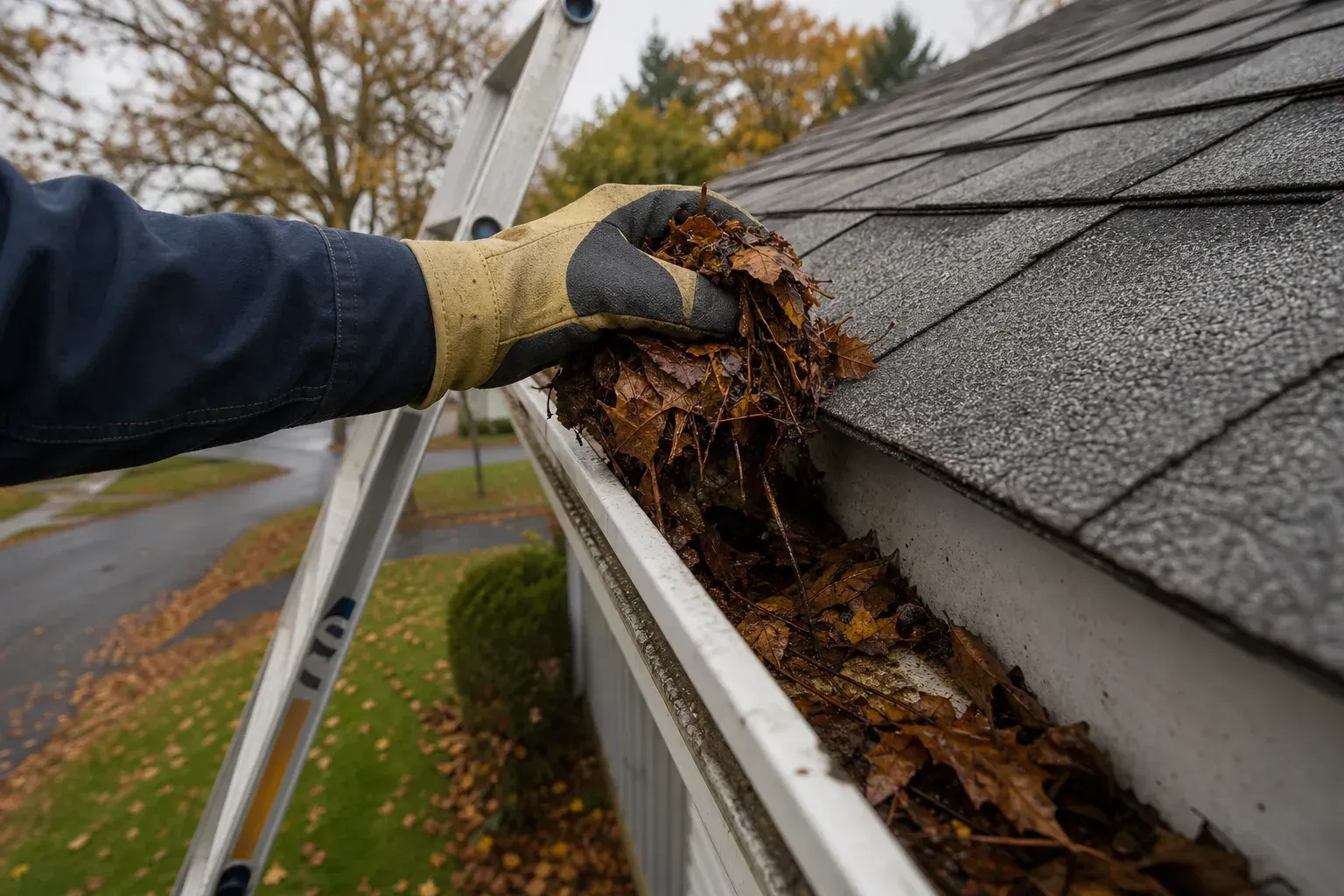
When guards fail in high winds, the damage tends to cascade. A dislodged guard section allows debris to enter the gutter channel, often during the same storm. That debris quickly causes a blockage, which leads to overflow, which can direct water toward your foundation or fascia boards.
In some documented cases, guard panels that become fully detached have become projectiles. Beyond the obvious safety concern, detached guards leave your gutter unprotected and can damage siding, windows, or landscaping on the way down. Addressing gutter repairs in Rochester after storm damage is always more expensive than choosing the right system upfront.
Understanding Wind Resistance Standards and Testing Methods
Recognized standards from ASTM International and ANSI provide objective performance thresholds that allow homeowners and contractors to compare guard systems on an equal footing.
Wind performance ratings for building products are not arbitrary. They follow established protocols that simulate the forces a product will face over its service life.
ASTM and ANSI Testing Protocols for Guard Systems
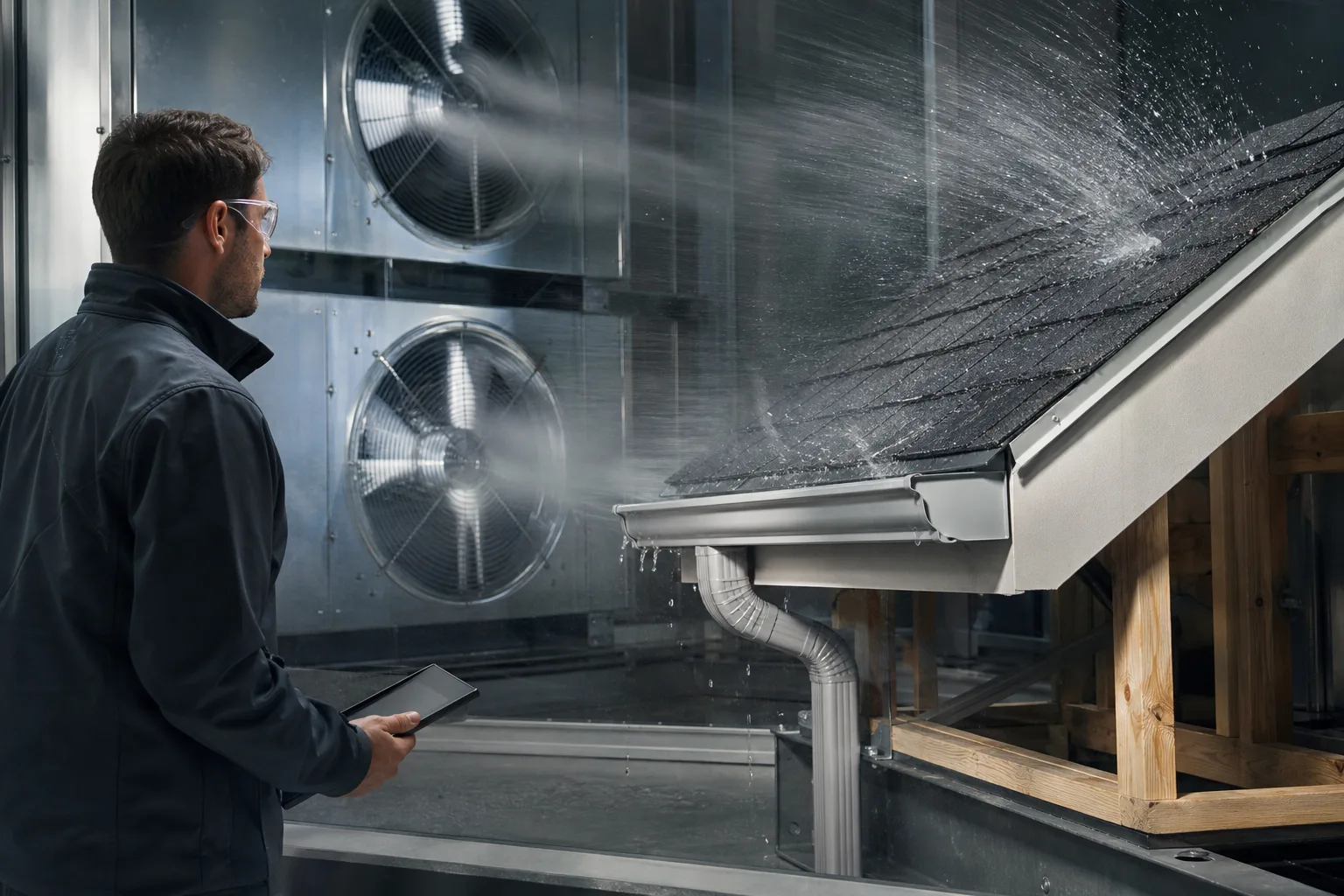
ASTM International publishes testing standards widely used across the roofing and building envelope industry. For context on how similar products are evaluated, wind resistance testing in commercial rooftop applications uses comparable uplift and lateral load methodologies to those applied to gutter guard systems. These protocols involve applying controlled air pressure or mechanical force across a product sample to measure deflection, fastener pull-through, and panel separation.
ANSI standards often govern the classification system that assigns speed ratings to tested products. Together, ASTM and ANSI create a framework where a certified rating means something concrete, not just a marketing phrase.
Wind Speed Categories and Performance Thresholds
Wind ratings are typically expressed in miles per hour (mph) and correspond to categories of storm intensity. A guard rated for 90 mph sustained wind performs very differently from one rated for 110 mph, even though both may look identical on a store shelf. For reference, wind speed rating categories used in hurricane-rated window standards follow a similar tiered structure that has influenced how other building products, including gutter systems, are evaluated.
| Wind Speed Rating | Typical Storm Category | Recommended Use Case |
|---|---|---|
| Up to 60 mph | Standard wind events | Mild climate zones, sheltered installations |
| 60-90 mph | Strong thunderstorm gusts | Most residential applications in the Northeast |
| 90-110 mph | Severe storm / near-hurricane | High-exposure locations, elevated homes |
| 110+ mph | Hurricane-force | Coastal and extreme climate applications |
Understanding where your local weather falls on this scale helps you choose a guard rated appropriately for Monroe County conditions.
How Load Testing Determines Real-World Safety
Load testing simulates the cumulative force a guard must resist, including dynamic pressure changes as gusts vary in speed. A single-point pressure test is far less reliable than a cyclic load test that mimics real storm duration. As roofing industry analysis of wind and hail rating methodologies points out, ratings derived from cyclic testing more accurately predict long-term field performance than static load numbers alone.
Guard Integrity Under Pressure: Material and Installation Factors
Material and installation quality are inseparable from wind performance. A product rated for 90 mph can still fail at 70 mph if it was installed incorrectly.
Material Selection and Its Effect on Wind Load Capacity
Aluminum and stainless steel guard systems consistently outperform vinyl or plastic alternatives in wind load testing. Aluminum resists deformation under sustained pressure, does not become brittle in cold temperatures, and holds fastener threads reliably. Vinyl guards can warp in summer heat and crack in Rochester winters, both of which compromise their wind resistance before a major storm even arrives.
Gauge thickness matters too. A thicker aluminum panel carries more load before deflecting. When comparing guard options, ask specifically about material gauge, not just material type.
Fastening Systems and Structural Weak Points
The fastening connection between the guard and the gutter or fascia board is typically the first point of failure. Snap-on guards that rely on friction fit rather than mechanical fasteners are particularly vulnerable to uplift forces. Screw-fastened systems with proper thread engagement into the gutter face or fascia board provide substantially better wind resistance.
Look for systems that use a continuous attachment method along the guard's length rather than clip-based fastening at intervals. Gaps between fasteners create flex zones where the guard panel can bow and eventually separate.
Installation Quality as a Make-or-Break Variable
Even a certified guard loses its rating if it is installed without following the manufacturer's fastening specifications. Proper installation involves correct screw torque, appropriate fastener spacing, and ensuring the guard is fully seated against the gutter lip without gaps. A skilled installer who understands Rochester-area weather conditions will account for thermal expansion, ice load, and the freeze-thaw cycle that is characteristic of Monroe County winters.
Comparing Rated vs. Unrated Guards: Performance and Liability
Choosing between rated and unrated guards is not just a performance question. It affects your warranty, your insurance, and potentially your property value.
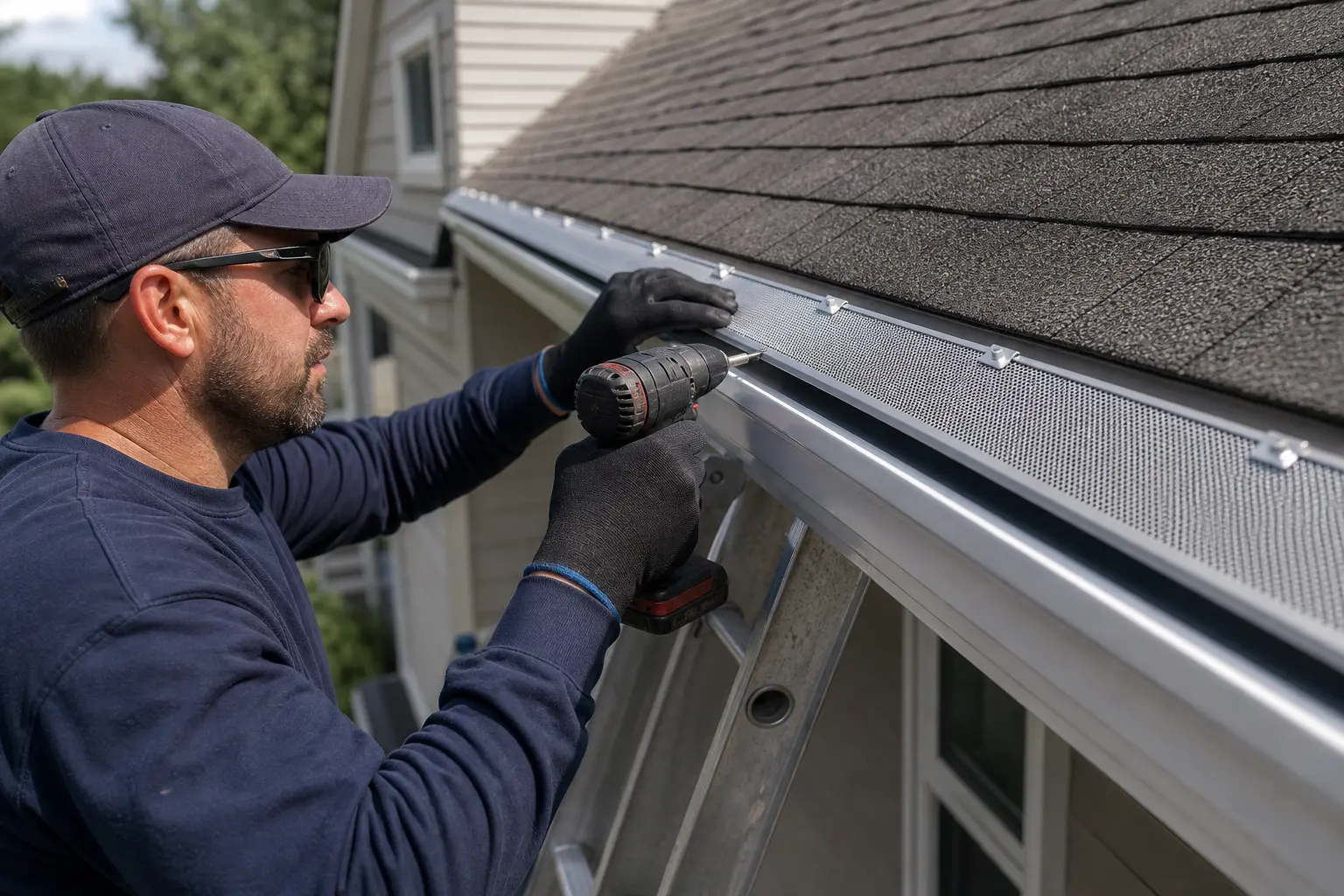
Wind Resistance Ratings and Warranty Coverage
Most manufacturers of certified guard systems tie their warranty coverage directly to the tested wind rating. If your guards fail in a storm and the product is rated for that wind speed, you have documented grounds for a warranty claim. With an unrated product, the manufacturer has no obligation to cover storm-related failure.
| Factor | Rated Guard | Unrated Guard |
|---|---|---|
| Documented performance threshold | Yes | No |
| Manufacturer warranty for wind damage | Typically included | Usually excluded |
| Third-party certification available | Yes | Rarely |
| Insurance claim support | Stronger position | Weak or unsupported |
| Long-term cost predictability | Higher upfront, lower risk | Lower upfront, unpredictable cost |
Insurance and Compliance Implications
Some homeowner's insurance policies distinguish between code-compliant and non-compliant installations. If a storm causes damage and your guards were unrated or improperly installed, your insurer may reduce or deny the claim. For homeowners looking to review the full scope of what a proper guard and gutter system involves, this practical guide to when to repair, replace, or add gutter guards is a solid starting point.
Resale Value and Property Inspection Outcomes
Home inspectors increasingly note gutter guard condition and compliance as part of a full exterior assessment. Buyers and their agents may flag unrated guard systems as a deferred maintenance item, which can affect your negotiating position. Properly installed, certified guards are a selling point, not a liability.
How to Choose Guards with Verified Wind Resistance Ratings
Selecting the right product means going beyond the product brochure and asking the right questions before anything is ordered or installed.
Reading and Interpreting Manufacturer Certifications
Look for documentation that names the specific testing standard (such as ASTM E1592 or an equivalent), the testing organization, and the wind speed threshold achieved. A certification that reads "tested for wind resistance" without specifying a speed or standard is not meaningful. Verified certifications will reference a specific protocol and a measurable result.
Third-Party Testing and Accreditation to Look For
Independent labs provide the most trustworthy certification data because they have no financial stake in the outcome. Look for certifications from recognized testing bodies rather than in-house manufacturer testing. As illustrated in hurricane window rating methodologies, independent certification follows a transparent methodology that any contractor or homeowner can review and verify.
Questions to Ask Before Purchase or Installation
Go into any guard purchase or installation conversation prepared with specific questions. These will help you separate genuine certified products from marketing-heavy claims:
- What is the documented wind speed rating, and which testing standard was used?
- Was the product tested by an independent third-party lab or in-house?
- Does the warranty specifically cover wind damage at the rated speed?
- What fastening system does the installation use, and how does it perform under uplift pressure?
- Has the product been installed in cold climates where freeze-thaw cycles stress fastener connections?
Getting clear, specific answers to these questions tells you a great deal about how seriously a manufacturer or installer takes their product's performance claims.
Taking Action: Next Steps for Guard Compliance and Safety
Knowing what a wind resistance rating means is useful. Knowing what to do about your current guards is what actually protects your home.
Auditing Your Current Guards for Wind Resistance
Start by checking whether your existing guards came with any documentation. Look for a product data sheet, installation guide, or warranty booklet that references a specific wind speed rating or testing standard. If you cannot find any documentation, that is a strong signal the product was sold without certification.
Walk the perimeter of your home after the next significant windstorm and look for panels that have shifted, lifted at the leading edge, or separated from the gutter lip. Even minor movement is a warning sign. For homeowners in Webster, Greece, or Gates, where storm exposure can vary by neighborhood and tree canopy density, a visual check twice a year is a reasonable minimum.
If you are unsure what you are looking at, a professional inspection from a trusted gutter contractor can give you a clear, unbiased picture of where your system stands.
Upgrade Planning and Timeline Recommendations
If your audit reveals unrated or visibly compromised guards, the best time to plan an upgrade is before storm season, not during it. In the Rochester area, that means completing installations or replacements between late spring and early fall, when crews have reliable working conditions and product lead times are more predictable.
Do not wait for a guard to fail completely before acting. A guard that is partially dislodged or visibly bowed is already compromising the performance of your entire gutter system. Pairing a guard upgrade with a full gutter replacement at the same time makes sense if your gutters are aging or showing signs of separation at the seams.
Working with Certified Installers and Inspectors
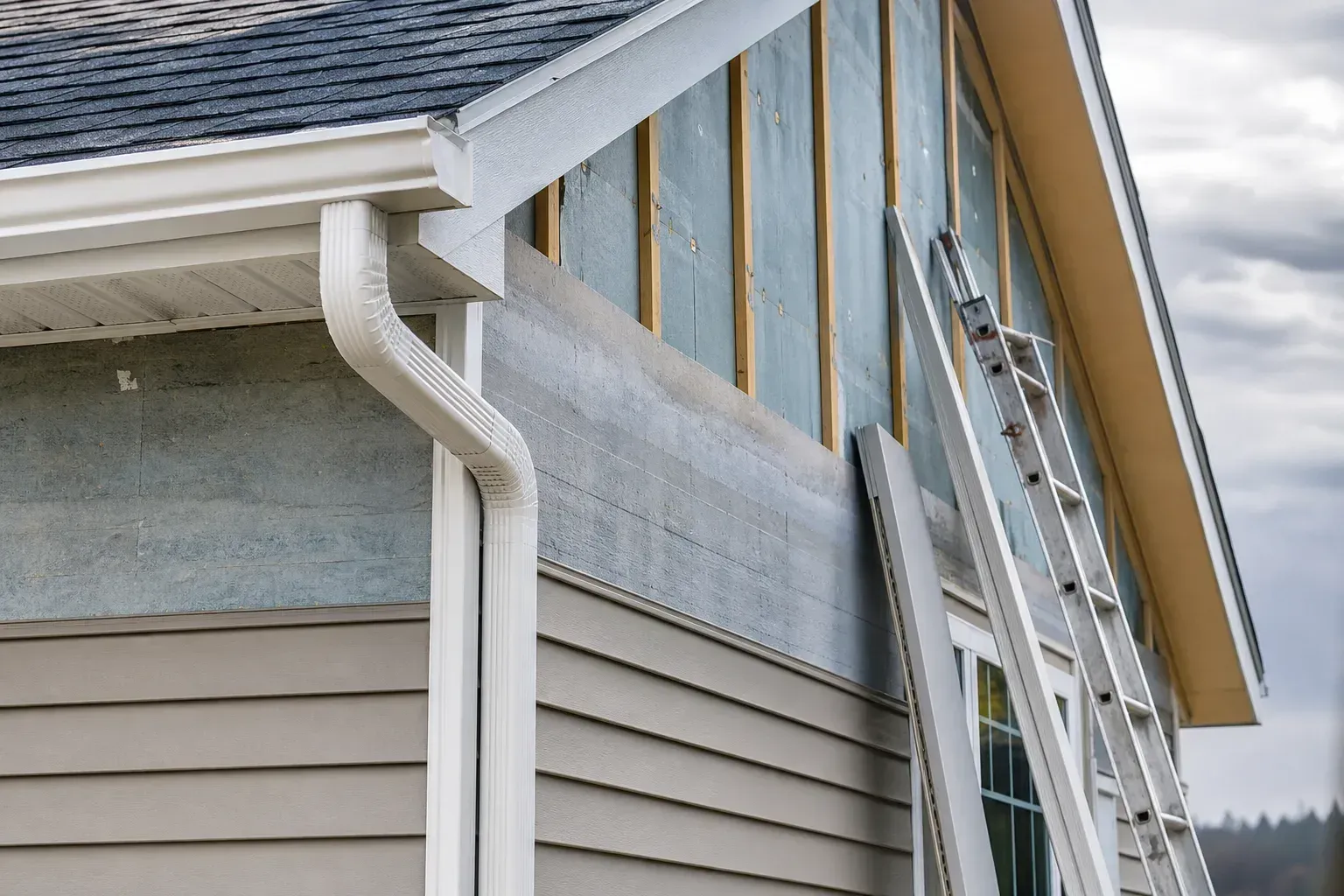
A certified installer brings more than labor to the job. They understand manufacturer fastening specifications, local building code requirements, and the specific conditions that Monroe County winters create for gutter and guard systems. Ask any installer you consider whether they follow the manufacturer's installation protocol for the specific guard system being used, since a deviation from that protocol can void the product's certified wind rating.
Final Solution Gutter Guards ROC, founded by Josh Lovins and based in Webster, New York, works with homeowners across Rochester and the surrounding area to select, install, and maintain guard systems that are appropriate for local weather conditions. Whether you need a full gutter guard installation or a targeted inspection of what you already have, working with someone who knows this region's storms makes a genuine difference.
Frequently Asked Questions
What does it mean if a gutter guard has no wind resistance rating?
It means the product has not been tested or certified to a specific wind performance standard by a recognized testing body. There is no documented threshold for how much wind pressure the guard can withstand before it shifts, lifts, or detaches. For homeowners in the Rochester area, where gusts during thunderstorm season regularly exceed 50 mph, an unrated product carries real structural risk.
How do I find out if my current gutter guards are wind-rated?
Start with the product documentation that came with your guards at installation. Look for a product data sheet, warranty, or specification sheet that names a testing standard such as ASTM or ANSI and a specific wind speed value. If you do not have that documentation, contact the manufacturer directly with the product name and model number.
No documentation and no manufacturer record typically means the product was sold without a certified rating.
Are wind resistance ratings required by building codes in New York?
Building codes in New York State reference wind exposure categories defined by ASCE 7 (the American Society of Civil Engineers' minimum design loads standard), which affects how structures and attachments must perform in wind. While gutter guards are not always specifically called out in local residential codes, any exterior attachment to a structure is generally expected to meet the wind load requirements for the area. Monroe County falls in a wind zone that requires thoughtful product selection and proper installation methods.
Can improper installation void a guard's wind resistance rating?
Yes, and this is one of the most common ways a certified product ends up failing in the field. Manufacturer installation specifications define the fastener type, spacing, torque, and attachment method required to achieve the stated wind rating. If an installer skips steps, substitutes fasteners, or does not follow the specified attachment sequence, the product's tested performance no longer applies. Always ask your installer to confirm they are following the manufacturer's protocol for the specific system being used.
Do wind-rated gutter guards cost significantly more than unrated ones?
The price difference varies by product and manufacturer, but rated guards are not always dramatically more expensive at the product level. The larger cost difference typically comes from proper installation, which takes more time and uses better fastening hardware. Over the full life of the system, rated guards tend to cost less because they need fewer emergency repairs, hold up through more storm seasons, and typically carry warranty coverage that unrated products do not.
How often should I inspect my gutter guards after a major storm?
A visual inspection after any storm with sustained winds above 40 mph is a good habit. Walk the exterior of your home and look for panels that have shifted, lifted at the edge, or separated from the gutter lip. Also check your downspouts for debris, which can signal that a guard section allowed material through.
For a more thorough review, having a professional inspect your guard and gutter system in Webster or the surrounding area once a year gives you a reliable baseline and catches issues before they compound.
 Contact Us for a Free Estimate! Share a few details with Final Solution Gutter Guards ROC, we'll help you choose the right next step. Get a free estimate |