Key Takeaways
- Most gutter warranties split into two types: manufacturer material coverage and contractor workmanship coverage.
- "Lifetime warranty" does not mean everything is covered forever. Read the fine print carefully.
- Common exclusions include weather damage, improper cleaning, and modifications made after installation.
- Keeping a maintenance log and saving your original paperwork protects your claim if something goes wrong.
- Choosing a reputable local installer matters. Workmanship warranties are only as good as the contractor standing behind them.
What a Typical Gutter Warranty Covers
A gutter warranty typically covers manufacturer defects in materials and installation workmanship errors, but not damage caused by weather events, neglect, or unauthorized modifications.
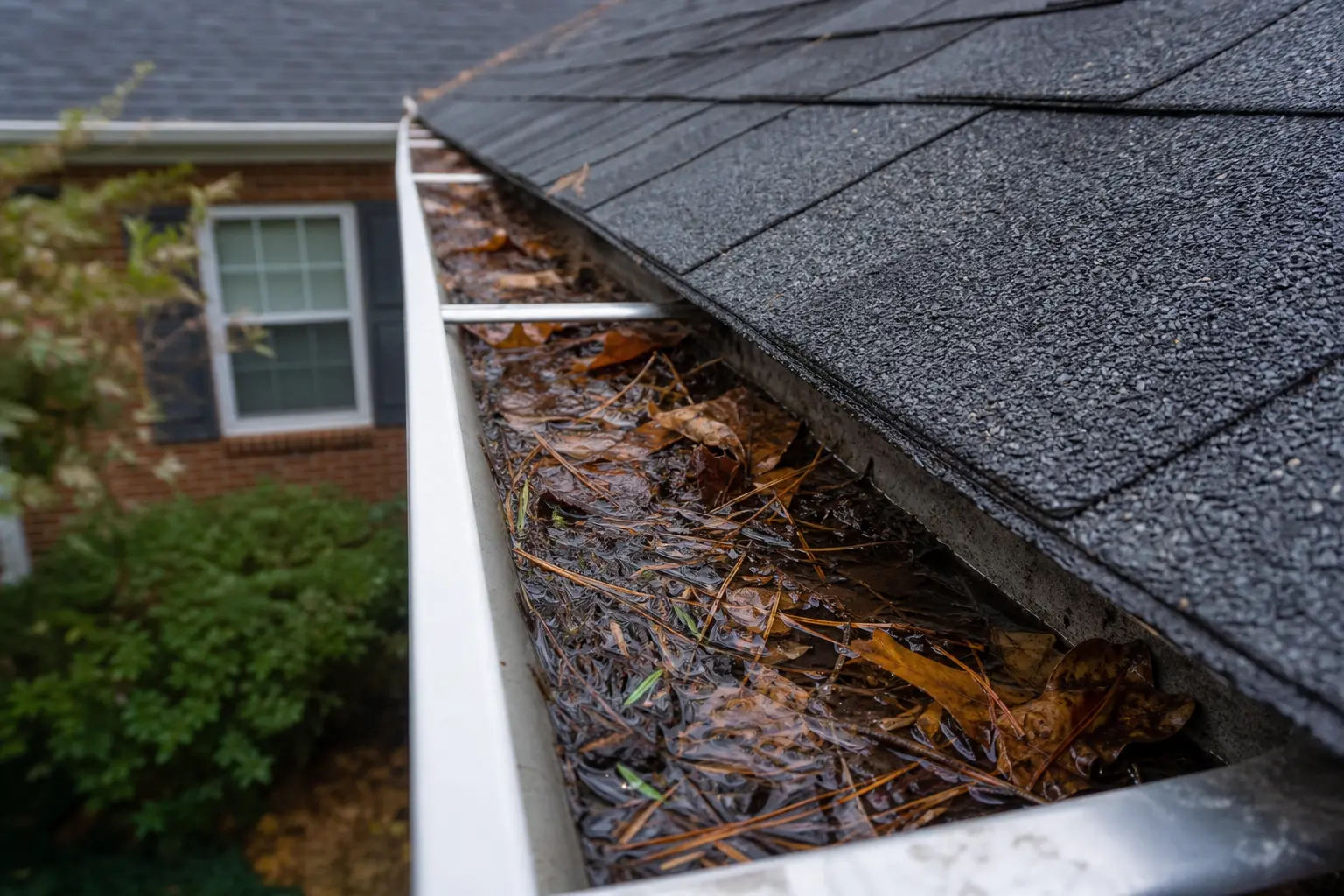
Most gutter warranty policies divide coverage into two distinct categories: what the manufacturer stands behind and what your installer guarantees. Understanding both is the first step to knowing where you actually stand.
Material defects and manufacturing flaws
Material warranties protect you when the product itself fails under normal conditions. This includes things like premature paint peeling, surface blistering, or structural cracking that happens without any obvious external cause.
Aluminum gutters from reputable manufacturers typically come with 20-to-40-year material warranties against defects. The key phrase here is "defects." If the material weakens or fails due to how it was made, the manufacturer should cover replacement or repair costs.
Seam failures and joint leaks
Seamless gutters have fewer joints than sectional systems, which reduces leak points significantly. But where joints do exist at corners and downspout connections, seam failures are a common warranty claim. According to guidance on gutter installation warranties, seam and joint failures caused by faulty materials or workmanship are generally covered under the appropriate policy.
Your contractor's workmanship warranty handles leaks traced back to poor installation technique. A quality seamless gutter installation should come backed by a clear workmanship guarantee that specifies how long that coverage lasts.
Rust and corrosion in specified timeframes
Galvanized steel gutters can rust over time, but manufacturers often warrant against corrosion for a defined period, typically 10 to 20 years for coated steel products. Aluminum is naturally corrosion-resistant, so aluminum warranties tend to be longer. Copper gutters are the most durable option and rarely carry rust-related exclusions at all.
If corrosion appears well within the warranty window and you've maintained the gutters properly, that's a valid claim worth pursuing.
Common Exclusions: What Warranties Don't Cover
This is where most homeowners get caught off guard. Warranties are intentionally narrow, and exclusions are often listed in small print. Knowing what won't be covered is just as important as knowing what will.
Weather damage, impact, and debris accumulation
Storm damage, hail impact, heavy snow loads, and falling branches are almost universally excluded from material and workmanship warranties. These are considered external causes, not product or installation failures. Your homeowner's insurance policy is the right tool for storm-related gutter damage, not your gutter warranty.
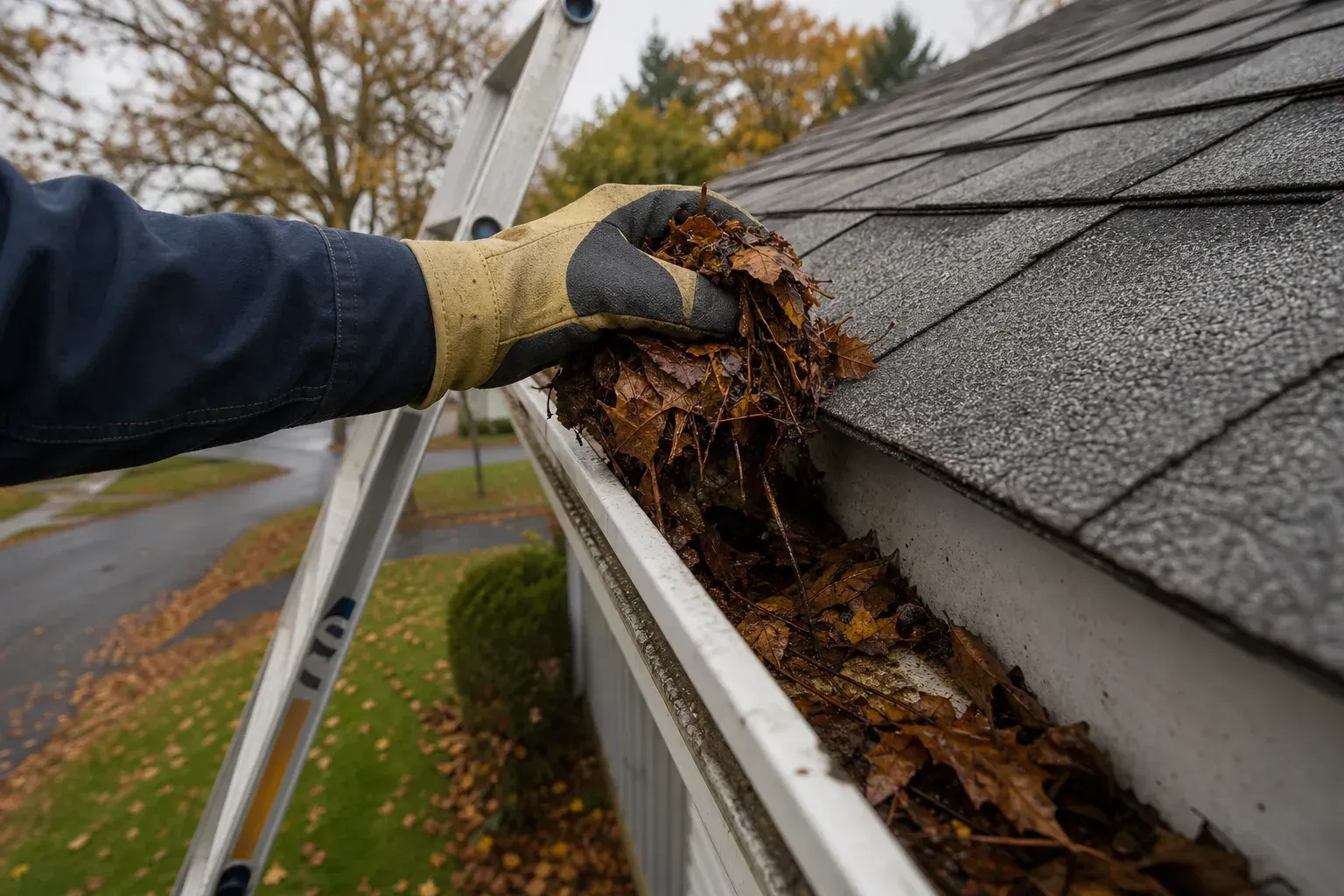
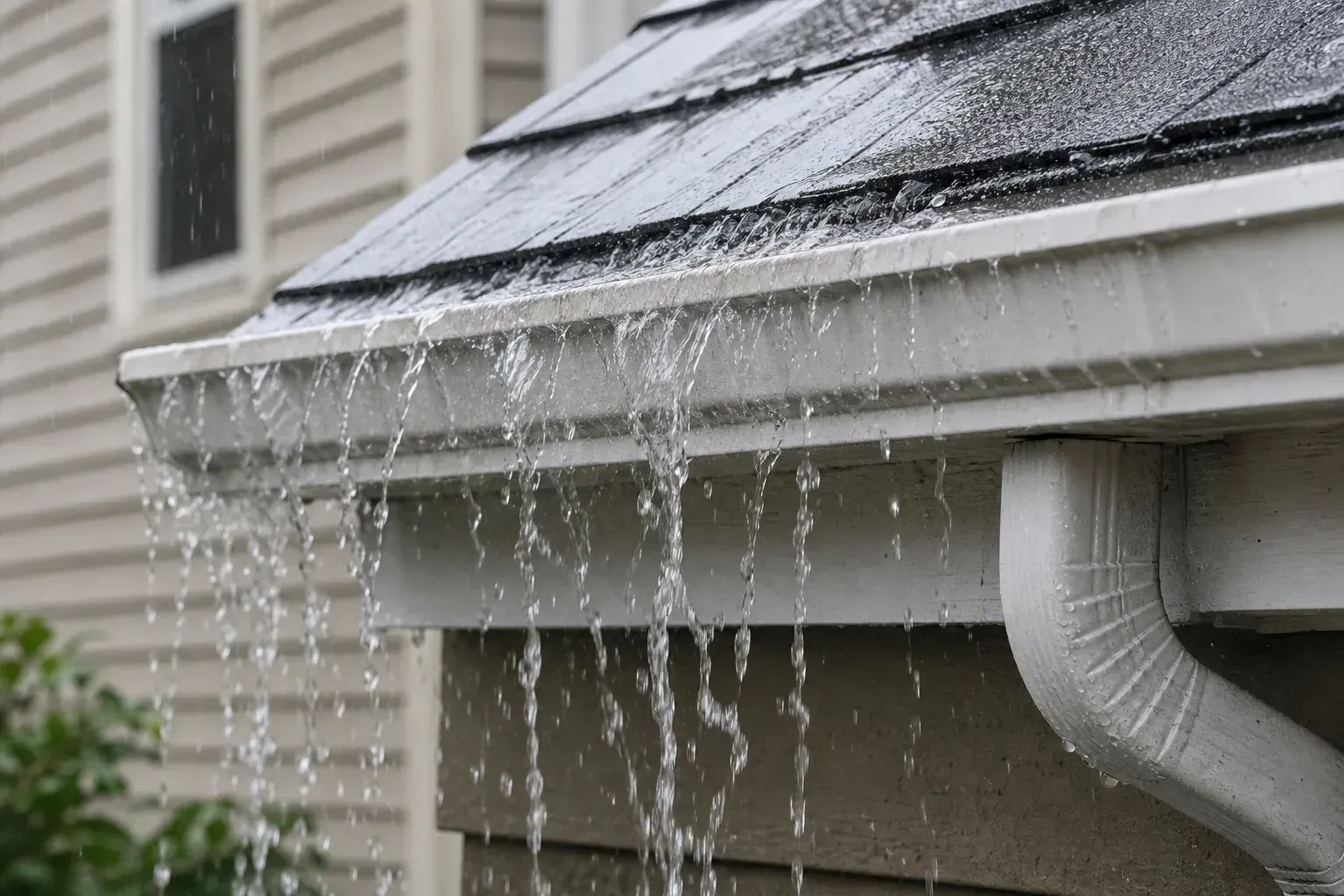
Debris accumulation causing overflow or sagging is also typically excluded. Manufacturers and contractors aren't responsible for the damage caused when gutters aren't cleaned regularly.
Poor installation and maintenance failures
Here's a catch that surprises many homeowners: if a different contractor modifies or repairs your gutters after the original installation, the original workmanship warranty is often voided entirely. The original installer can no longer verify the integrity of their own work.
Maintenance failures follow the same logic. If a gutter pulls away from the fascia because of rotted wood that was never addressed, that's considered a maintenance issue, not a defect. As industry guidance on what gutter guard warranties really cover points out, neglect and pre-existing conditions are standard exclusions across the board.
Improper cleaning and gutter guard modifications
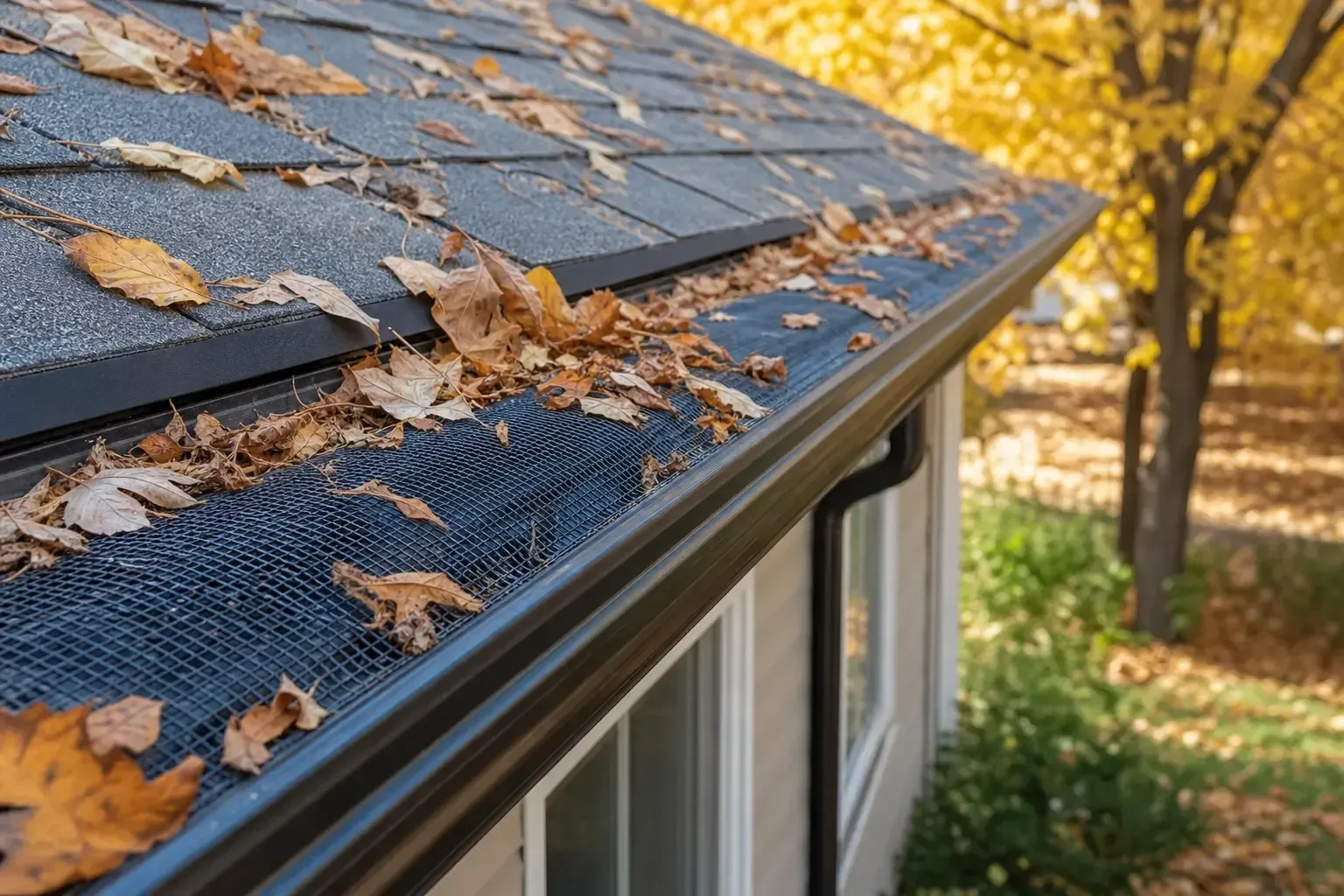
Pressure washing gutters at high intensity can strip coatings and bend the profile. Some manufacturers explicitly exclude damage caused by improper cleaning methods. If you add gutter guards that weren't part of the original installation, and those guards cause water to back up or the gutter to pull away from the fascia, that's on you, not the manufacturer.
Always check with your installer before adding any accessory to covered gutters.
Gutter Warranty Types and Coverage Duration
Standard manufacturer warranties (5-10 years)
Entry-level and budget gutter products often come with 5-to-10-year material warranties. These cover defects but tend to have more exclusions and stricter maintenance requirements. They're better than nothing, but they don't offer much peace of mind for a major home improvement investment.
Workmanship warranties from contractors frequently fall in this same window. Some offer just 1 to 2 years on labor, which is why vetting your installer's reputation matters as much as the product warranty.
Extended and lifetime warranties (15-30+ years)
Premium seamless gutter systems often carry 20-to-40-year material warranties, and some manufacturers offer lifetime coverage on the product itself. The word "lifetime" typically refers to the expected lifespan of the product, not literally forever. Many lifetime warranties include pro-rated coverage, meaning the value of what's covered decreases as the product ages.
As noted in a gutter guard warranty comparison analysis, lifetime warranties from major brands frequently contain conditions that limit real-world payouts to a fraction of replacement costs once the product is several years old.
Transferable vs. non-transferable policies
| Policy Type | What It Means | Best For |
|---|---|---|
| Transferable | Coverage moves to the next homeowner if you sell | Homes likely to be sold within warranty window |
| Non-transferable | Warranty applies only to the original buyer | Long-term homeowners staying put |
| Pro-rated | Coverage value decreases over time | Extended or lifetime products |
| Full replacement | Covers 100% of material costs throughout term | Best overall value for the homeowner |
Transferable warranties add meaningful value to a home sale. If you're planning to sell within the next decade, ask your installer specifically about transferability before you sign anything.
How to File a Gutter Warranty Claim
Documentation and inspection requirements
When something goes wrong, the warranty process starts with proof. You'll need your original installation contract, the product warranty card or documentation, dated photos of the problem, and a record of any maintenance you've performed. This is exactly why keeping a simple folder, physical or digital, for your home improvement paperwork pays off.
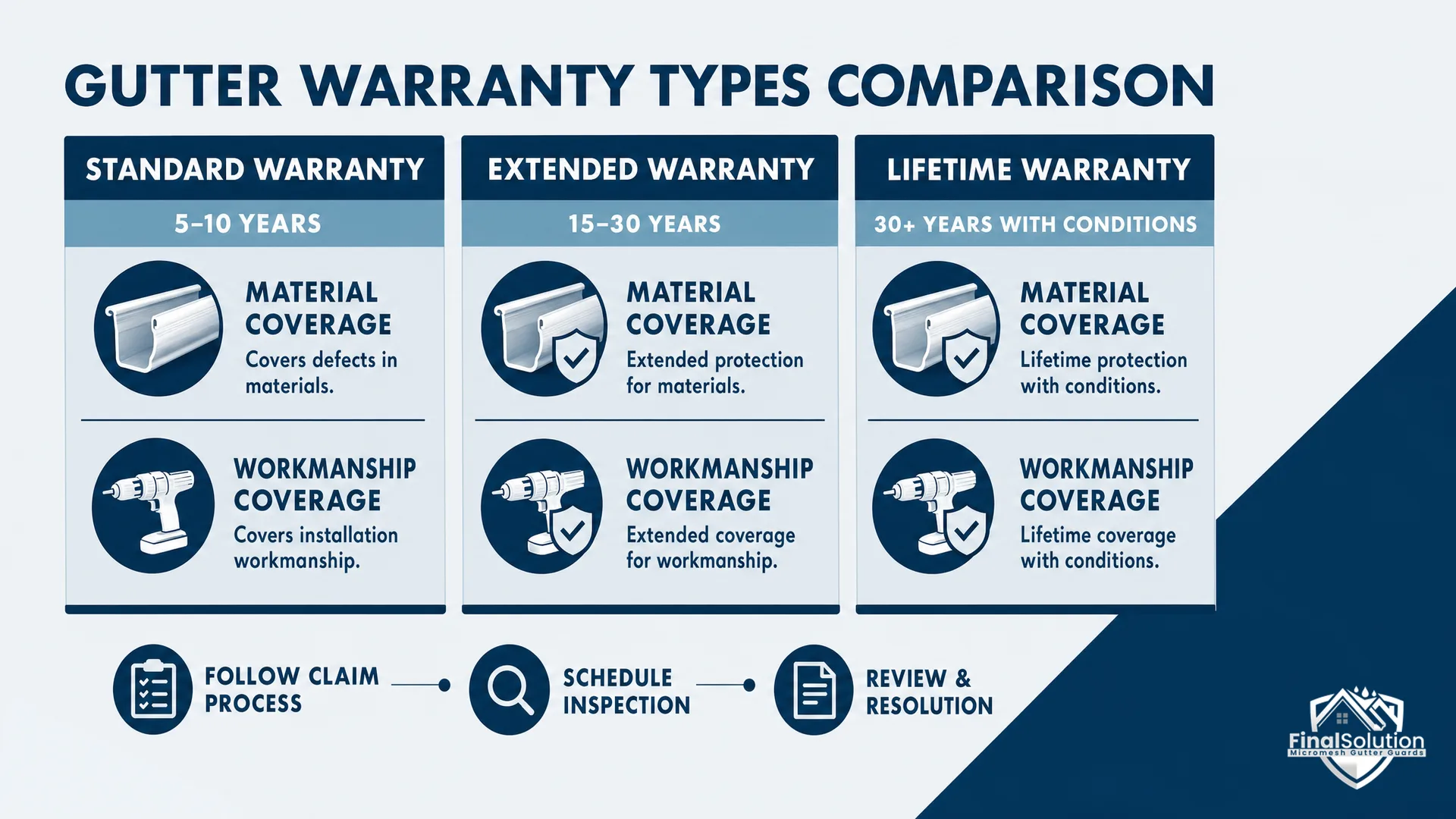
Most manufacturers require a written claim submitted within a specific number of days after discovering the defect. Check your warranty document for that window because missing it can disqualify your claim entirely.
Timeline and approval process
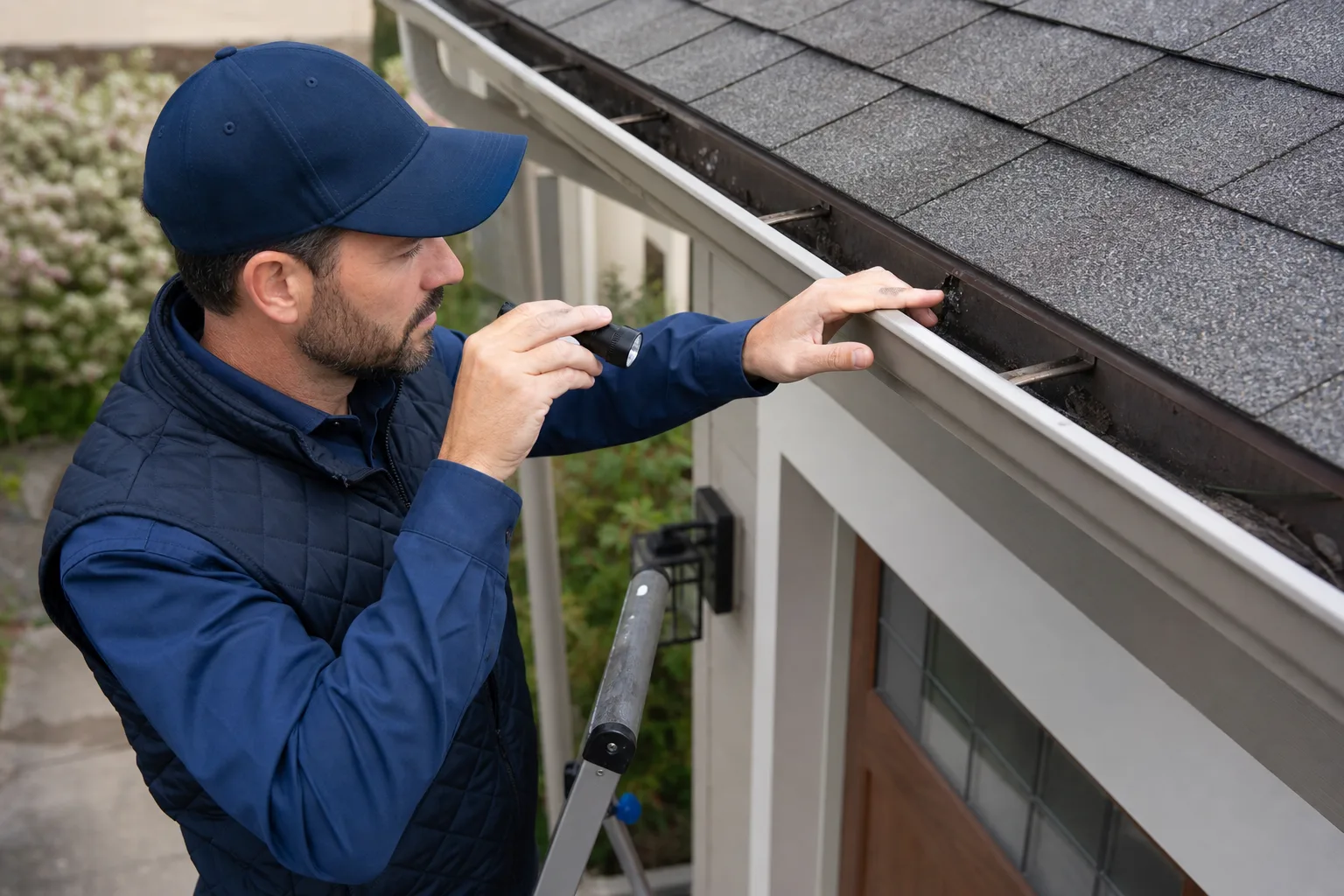
After submitting your claim, the manufacturer or contractor typically schedules an inspection. They'll assess whether the failure is a covered defect or an excluded cause. Expect 2 to 6 weeks for a decision on straightforward claims, longer if there's any dispute about the cause.
If your claim is approved, the repair or replacement is scheduled. If it's denied and you believe the denial is wrong, document your disagreement in writing and ask for a detailed explanation of which exclusion applies. For Rochester and Webster homeowners, having a local contractor like Final Solution Gutter Guards ROC who stands behind their work means you have someone to advocate with you through that process, not just an 800 number.
Gutter Warranty Comparison: Material and Brand Differences
Aluminum vs. steel vs. copper warranty terms
| Material | Typical Warranty Length | Rust/Corrosion Coverage | Notes |
|---|---|---|---|
| Aluminum | 20-40 years | Yes (naturally resistant) | Most common; longest standard coverage |
| Galvanized Steel | 10-20 years | Limited (coating-dependent) | Heavier, shorter warranty on corrosion |
| Copper | 50+ years or lifetime | Rarely needed | Premium material; rarely fails from rust |
| Vinyl | 5-10 years | N/A (not metal) | Prone to cracking in cold climates like Rochester |
Vinyl gutters deserve a special note for Monroe County homeowners. Rochester winters are tough on vinyl. Freeze-thaw cycles cause cracking, and many vinyl warranties specifically exclude cold-weather damage.
Aluminum is the far better choice for this climate, and it carries a longer warranty to match.
How gutter guard type affects warranty coverage
Adding gutter guards after your gutter installation can complicate your coverage. Some gutter guard products carry their own separate warranties, while others are warrantied only when installed by a certified dealer.
If you want a cleaner, unified warranty situation, ask your local installer about gutter guard installation that's coordinated with your gutter system from day one.
How to Maximize Your Gutter Warranty
Maintenance schedules and documentation
The single best thing you can do to protect your gutter warranty is keep your gutters clean and document it. That means cleaning them at least twice a year in Rochester, where maple and oak debris builds up fast in fall, and inspecting them again after major storms.
Keep a dated log. Write down when you cleaned them, what you found, and any repairs made. A photo on your phone with a date stamp works fine.
This log becomes your evidence if a manufacturer ever tries to claim that maintenance neglect caused the failure.
What voids warranties and how to avoid it
A few actions almost always void gutter warranty coverage, and most of them are avoidable with a little planning.
Hiring an unlicensed handyman to patch a leak or rehang a sagging section is the most common mistake. If the original contractor finds unauthorized repairs during an inspection, they may deny the claim on the spot. Always call your original installer first, or confirm with them in writing that a third-party repair is acceptable.
Skipping annual inspections is an other silent warranty killer. Some policies require documented maintenance at defined intervals. If you can't show that the gutters were maintained, the manufacturer can reasonably argue that neglect caused the failure.
As Allstate Exteriors notes on the importance of gutter warranties, staying proactive with upkeep is what keeps a warranty usable when you actually need it.
Finally, pressure washing gutters at high PSI can strip protective coatings and dent the gutter profile. Use a garden hose or low-pressure rinse for routine cleaning, and save the pressure washer for your driveway.
Frequently Asked Questions
Does a gutter warranty cover water damage to my foundation?
No, gutter warranties cover the gutter product and installation workmanship. They don't cover consequential damage, meaning damage to your home's foundation, siding, or landscaping caused by a gutter failure. That type of damage typically falls under your homeowner's insurance policy.
This is one reason prompt gutter repair matters so much.
How long does a typical gutter workmanship warranty last?
Workmanship warranties from contractors vary widely. Budget installers may offer only 1 to 2 years, while reputable local contractors often provide 5 to 10 years on labor. Always ask for the workmanship warranty in writing before work begins.
A contractor who won't commit to a written guarantee is a red flag.
Is a lifetime gutter warranty really lifetime?
Not in the way most people assume. "Lifetime" in the gutter industry typically refers to the expected usable life of the product, not a literal guarantee forever. Many lifetime warranties are also pro-rated, so the coverage value decreases as the product ages.
Read the full terms carefully, and ask your installer to walk you through the key conditions before you commit.
Can I transfer my gutter warranty to a new homeowner?
It depends on the policy. Some warranties are fully transferable, which can be a selling point if you list your home. Others apply only to the original buyer and terminate at the point of sale.
Ask about transferability upfront. A transferable warranty adds tangible value to a future home sale.
What should I do if my warranty claim is denied?
Start by requesting a written explanation of which exclusion applies to your claim. Review your original warranty document side by side with that explanation. If you believe the denial is wrong, escalate in writing to the manufacturer's customer service management.
For workmanship claims, contact your original installer directly. Documenting every conversation, date, and response gives you the best position if you need to escalate further or pursue other remedies.
Does adding gutter guards void my existing gutter warranty?
It can, depending on the installer and product manufacturer. Some manufacturers explicitly state that adding accessories not approved by them voids material coverage. Before installing any gutter guard system on existing gutters, check your current warranty language and confirm with your original installer.
Coordinating guards and gutters together from the start through a single contractor avoids this problem entirely.
 Contact Us for a Free Estimate! Share a few details with Final Solution Gutter Guards ROC, we'll help you choose the right next step. Get a free estimate |