Key Takeaways
- Water that pools near your foundation causes hydrostatic pressure that leads to cracks, settling, and basement flooding over time.
- Seamless gutters eliminate the joint failures and leaks common in sectional systems, giving you more reliable water management with less upkeep.
- Downspouts must extend at least 4–6 feet from the foundation to effectively redirect water away from your home.
- Pairing gutters with proper grading, splash blocks, or underground drains creates a complete water management strategy.
- Regular seasonal maintenance is the single most important thing you can do to protect your investment and your foundation.
Why Water Pooling Near Your Foundation Is a Serious Problem
Poorly managed roof runoff is one of the leading causes of foundation damage in residential homes. The problem starts at the roofline and ends at your foundation, often years before visible damage appears.
When rain hits your roof, it collects at the eaves and needs somewhere to go. Without a functioning gutter and downspout system, it dumps directly into the soil surrounding your home's foundation. That might not sound alarming on its own, but over months and years, the cumulative effect is significant.
Foundation cracks and settling caused by hydrostatic pressure
Saturated soil exerts hydrostatic pressure against your foundation walls. When water has nowhere to drain, it builds up and pushes inward. Concrete and block foundations can absorb some of that pressure, but chronic exposure leads to hairline cracks, bowing walls, and eventually serious structural settling.
Monroe County's seasonal freeze-thaw cycles make this worse. Water trapped in saturated soil expands when it freezes, widening existing cracks and pushing foundation walls further out of alignment. Catching this early with proper drainage is far less expensive than repairing the damage later.
Basement flooding and moisture intrusion
Even without visible cracks, water-saturated soil creates the conditions for basement moisture intrusion. Water wicks through porous concrete over time, leading to damp walls, mold growth, and musty odors. According to research discussed by Basement Systems on preventing water pooling, the most reliable first line of defense against this problem is keeping water away from the foundation in the first place, starting with your gutters and downspouts.
Soil erosion and landscape damage around your home
Water that free-falls from an overflowing gutter hits the ground with enough force to erode the soil directly below. Over time, that erosion creates low spots and channels that actually direct more water toward your foundation rather than away from it. Your landscaping, mulch beds, and garden borders all take a hit as well.
How Seamless Gutters Outperform Traditional Sectional Systems
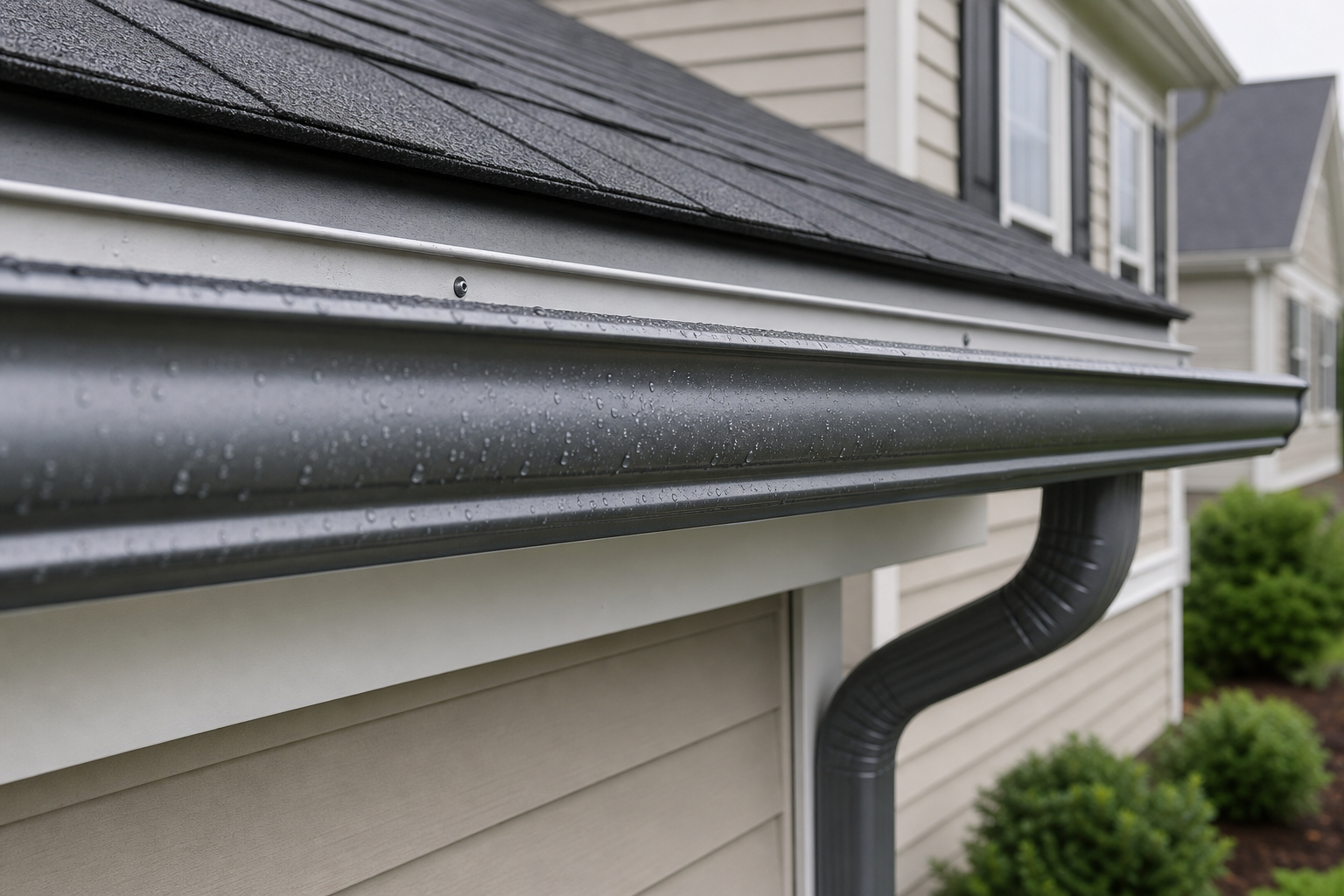
Seamless gutters are fabricated in a single continuous piece from aluminum coil stock, custom-cut on-site to match the exact length of each roofline run. That stands in contrast to sectional gutters, which are sold in 10-foot or 12-foot lengths and joined together with brackets and sealant at each seam.
No leaks at seams: seamless design eliminates joint failure points
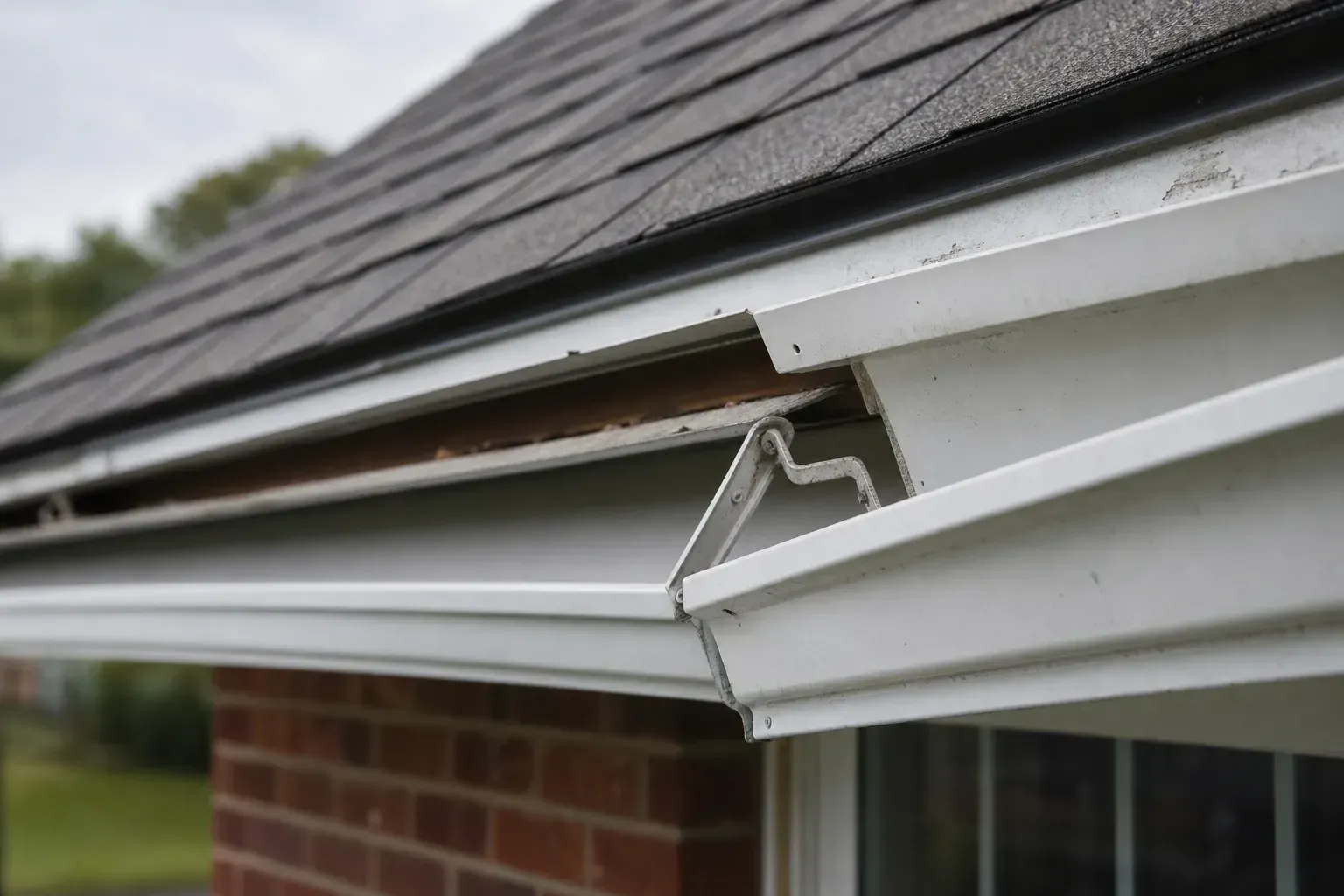
Every seam in a sectional system is a potential leak point. Sealant dries out, brackets shift, and temperature swings cause the metal to expand and contract. Over time, those joints open up and water drips or streams directly down your fascia and into the soil at your foundation.
A seamless system has no mid-run joints at all, the only connection points are at the corners and downspout outlets, which are far fewer and easier to monitor.
You can see what a well-installed seamless system looks like by browsing the Final Solution Gutter Guards ROC seamless gutters service page.
Better water flow and reduced overflow during heavy rain
Joints and mismatched sections create turbulence and slow water down. A continuous channel allows water to move freely from end to end without restriction. During a heavy Rochester downpour, that difference in flow efficiency means the water exits through the downspout instead of overflowing the front lip of the gutter and cascading straight down your foundation wall.
Lower maintenance and longer lifespan compared to sectional gutters
Sectional gutters trap debris at every joint. Seamless house gutters have fewer catch points, which translates to slower debris accumulation and less frequent cleaning. Quality aluminum seamless gutters also resist rust and corrosion well, giving them a longer functional lifespan than vinyl sectional alternatives when properly maintained.
Downspout Placement and Extension Strategies That Work
Getting water off the roof and into the gutter is only half the job. Where that water goes after it exits the downspout determines whether your foundation stays dry.
Extending downspouts at least 4–6 feet away from the foundation
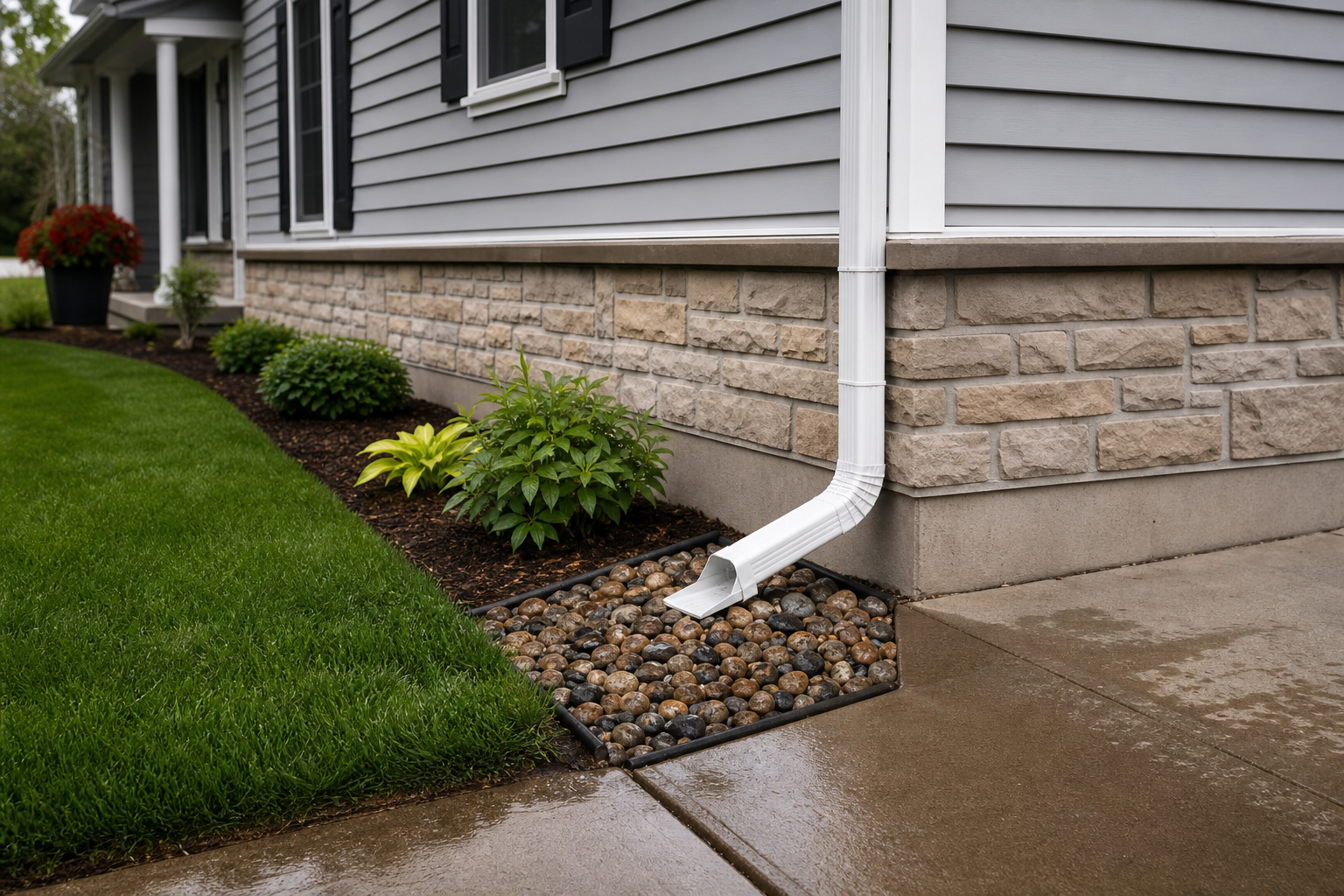
This is the most common fix that homeowners overlook. A downspout that terminates 12 inches from the foundation wall dumps concentrated roof runoff directly into the saturated zone around your footings. This Old House recommends directing downspout discharge at least 4–6 feet away from the structure as a baseline, with more distance always being better on flat lots.
Downspout extensions are inexpensive and easy to add. Corrugated plastic extensions, aluminum elbow extensions, and hinged flip-up styles are all practical options depending on your yard layout. For a professional assessment and installation of the right downspout setup for your home, visit the downspout installation service page.
Underground drain systems and French drains for permanent water management
When surface extensions are not enough, particularly on properties with clay-heavy soils or minimal slope, underground drainage gives you a permanent solution. A buried drain pipe connects to the downspout outlet and carries water to a pop-up emitter, a dry well, or a French drain trench filled with gravel and perforated pipe.
As noted by Soggy Yard's drainage guidance, surface fixes buy time, but a properly designed underground system is what truly solves chronic water pooling around foundation walls. This type of solution is particularly valuable for Monroe County properties with heavy clay soil that drains slowly.
Grading and slope optimization to direct water away from your home
The ground immediately surrounding your foundation should slope away from the house at a minimum 6-inch drop over the first 10 feet. When grading is flat or negative (sloping toward the house), even a perfect downspout extension becomes less effective because surface water still migrates back toward the foundation. Adding soil, regrading, or installing a French drain along the foundation perimeter corrects this.
Common Gutter and Downspout Mistakes Homeowners Make
Most foundation drainage failures come down to a handful of consistent installation and maintenance errors. Knowing what to look for helps you catch problems before they escalate.
Installing gutters with inadequate slope or pitch
Gutters need a slight pitch toward the downspout, typically about 1/4 inch of drop for every 10 feet of run. Without that pitch, water sits in the channel, speeds up debris accumulation, breeds mosquitoes, and eventually overflows or seeps behind the fascia. If you notice standing water in your gutters after a rainstorm, incorrect pitch is usually the culprit.
Neglecting gutter cleaning and allowing debris buildup
Clogged gutters overflow, and overflow goes straight down your foundation wall. In the Rochester area, spring maple seeds and fall leaves are the biggest contributors to blockages. Cleaning your gutters at least twice a year, once in late spring and once in late fall, is the minimum to keep them functional. Adding quality gutter guards reduces how often you need to clean while keeping debris out of the channel.
Directing downspouts directly toward the foundation or too close to the home
It sounds obvious, but this mistake shows up on more homes than you might expect. Short discharge pipes, undersized extensions, and downspouts positioned at inside corners of the foundation all concentrate water exactly where it causes the most harm. GL Hunt's foundation protection guidance emphasizes that downspout discharge direction is as important as gutter design itself when protecting long-term structural integrity.
Selecting and Installing the Right System for Your Home

Gutter materials: aluminum, copper, steel, and vinyl compared
| Material | Typical Lifespan | Rust Resistance | Weight | Best For |
|---|---|---|---|---|
| Aluminum | 20+ years | Excellent | Light | Most residential homes |
| Copper | 50+ years | Excellent | Medium | Historic or premium homes |
| Galvanized Steel | 15–20 years | Moderate | Heavy | High-impact areas |
| Vinyl | 10–15 years | N/A (plastic) | Very light | Budget installs, mild climates |
Aluminum is by far the most common choice for seamless house gutters in the Rochester area. It does not rust, holds paint well, handles freeze-thaw cycles reliably, and is custom-formed on-site for a precise fit. Copper is a premium option that pairs well with historic homes in areas like Pittsford or Brighton.
Vinyl works in mild climates but can become brittle under the repeated freezing temperatures Monroe County winters bring.
For local homeowners exploring their options, the gutter installation service page covers the full range of materials and styles available.
Sizing gutters and downspouts based on roof area and rainfall volume
Most residential homes in the Rochester area do well with 5-inch K-style gutters paired with 3-inch by 4-inch downspouts . Larger roofs, steep pitches, or homes with wide open valleys that concentrate runoff quickly may benefit from 6-inch gutters and wider downspouts to handle the increased volume without overflowing.
A good rule of thumb: one downspout for every 30–40 linear feet of gutter run keeps flow manageable. Spacing downspouts too far apart means the channel fills up faster than it can drain during a heavy storm. If your current system overflows regularly even after cleaning, undersized or under-spaced downspouts are often the reason.
Maintenance and Inspection Checklist for Year-Round Protection
A well-installed system still needs routine attention. In Monroe County, seasonal weather patterns create specific windows where your gutters and downspouts are most vulnerable. Staying ahead of those windows keeps small issues from turning into costly repairs.
Seasonal cleaning schedule and debris removal
| Season | Primary Task | What to Watch For |
|---|---|---|
| Early Spring | Clear winter debris, check for ice dam damage | Bent hangers, separated seams, sagging sections |
| Late Spring | Remove maple seeds and pollen buildup | Slow drainage, standing water in channel |
| Late Fall | Full leaf cleanout before freeze season | Blockages at downspout outlets, joint separation |
| Winter | Visual check after ice storms | Ice backup behind gutters, pulled fascia |
Cleaning twice a year covers most homes, but if you have mature oak or maple trees overhanging your roofline, three cleanings per year keeps you ahead of the buildup. When debris clogs the downspout outlet rather than the gutter channel itself, water backs up and overflows before it ever reaches the exit, making the whole system ineffective regardless of how well it was installed.
Inspecting for damage, rust, and separation after storms
After any significant storm, including Rochester's notorious lake-effect snow events, walk your property and look at the gutters from the ground. Look for sections that are visibly pulling away from the fascia, downspout joints that have separated, or areas where water is staining the siding below the gutter line. Those stains almost always indicate an overflow or leak point.
Check the soil at each downspout outlet as well. If you see a scoured-out depression or a channel cut into the ground, water is discharging with too much force or at too high a volume. That is the moment to evaluate whether an extension, splash block, or underground drain is the right next step.
If your gutters are more than 15–20 years old, showing rust, or separating at multiple points, repair may only be a short-term fix. Exploring a full gutters replacement gives you a fresh, properly sized, and correctly pitched system that will protect your foundation for decades.
Frequently Asked Questions
How do seamless gutters prevent foundation damage?
Seamless gutters direct roof runoff into a continuous, leak-free channel that carries water to the downspout without dripping or overflowing along the fascia. Because there are no mid-run joints to fail, water stays inside the channel and exits through the downspout at a controlled location away from your foundation, rather than saturating the soil directly below the eaves.
When paired with properly extended downspouts and good yard grading, a seamless system removes the main source of excess moisture that causes hydrostatic pressure, cracking, and basement flooding.
How far should downspouts extend from the house?
The standard recommendation is at least 4–6 feet from the foundation wall at the discharge point. On flat lots or properties with clay-heavy soil that drains slowly, extending further, or routing water underground to a pop-up emitter, provides a more reliable result.
Short extensions that terminate 1 to 2 feet from the foundation are one of the most common causes of persistent water pooling, even when the gutter system itself is functioning correctly.
How often should gutters be cleaned in the Rochester area?
Twice a year covers most homes: once in late spring after the maple seeds fall and once in late fall after the leaves drop. Homes with heavy tree cover, particularly oak, which drops leaves late and holds them into winter, benefit from a third cleaning in early winter.
Skipping fall cleaning is especially risky in Monroe County because a clogged gutter heading into the freeze season is very likely to develop ice dams, which can pull gutters away from the fascia and force water back under the roofline.
What is the difference between seamless and sectional gutters?
Sectional gutters come in pre-cut lengths, typically 10–12 feet, and are joined together with brackets and sealant on-site. Every joint is a point where sealant can fail over time, leading to leaks along the fascia. Seamless house gutters are custom-fabricated in one continuous piece from a coil of aluminum, copper, or steel using a portable roll-forming machine brought directly to your home.
The result is a gutter run with no mid-section joints, better flow, fewer leak points, and typically less debris accumulation than a sectional equivalent.
Do I need gutter guards if I already have seamless gutters?
Gutter guards are a smart addition regardless of gutter style, but they pair especially well with seamless systems. Guards keep leaves, seeds, and shingle grit out of the channel, reducing cleaning frequency and lowering the risk of blockage-related overflow. In neighborhoods with mature tree canopy, common throughout Rochester, Greece, and Gates, guards can be the difference between two cleanings a year and zero.
You can learn more about what is available through the gutter guards service page to find the right fit for your home.
Can I install downspout extensions myself, or should I hire a professional?
Basic plastic or aluminum extensions that clip onto an existing downspout outlet are a straightforward DIY project. However, if your situation involves underground drainage, French drains, incorrect pitch in the existing gutters, or fascia damage from years of overflow, those are jobs worth having a professional assess. Getting the pitch, outlet spacing, and discharge location right from the start prevents the kind of chronic water problems that lead to foundation repairs.
 Contact Us for a Free Estimate! Share a few details with Final Solution Gutter Guards ROC, we'll help you choose the right next step. Get a free estimate |