Key Takeaways
- Seamless gutters have no joints along the run, which eliminates the most common leak points found in sectional gutters.
- Rochester's heavy snowfall, ice dams, and spring rainfall make leak-free gutters especially critical for Monroe County homeowners.
- Choosing the wrong gutter style, size, or installer are the three most common and costly mistakes local homeowners make.
- Seamless gutters are custom-fabricated on-site, which means they fit your roofline precisely rather than relying on off-the-shelf sections.
- Pairing seamless gutters with quality gutter guards significantly reduces maintenance and protects your investment year-round.
- According to All American Gutter Protection, industry guidance aligns with these recommendations.
Table of Contents
- Why Seamless Gutters Matters Now
- Common Seamless Gutters Mistakes to Avoid
- Practical Seamless Gutters Improvements
- Tools, Examples, and Proof Points
- Comparison and Decision Guide
- Conclusion and Next Steps
Why Seamless Gutters Matters Now
Rochester is not a forgiving climate for home exteriors. The city averages around 100 inches of snowfall per year, and spring thaws bring heavy rainfall that saturates the ground quickly. Gutters that leak, sag, or overflow aren't a minor inconvenience here, they're a direct threat to your foundation, siding, and landscaping.
Seamless gutters eliminate the seams and joints where sectional gutter systems most commonly fail, making them a particularly reliable choice in high-precipitation climates like Rochester, New York.
What Has Changed Recently
The market for gutter products has expanded significantly. Homeowners now have more material choices (aluminum, copper, steel, vinyl) and more gutter guard options than ever before. But more choices also means more opportunities to pick the wrong product or the wrong installer.
Companies that specialize in a single gutter guard brand may not offer the customized fit and honest guidance a locally-focused contractor provides. If your home still has sectional gutters installed more than 10 to 15 years ago, the risk of joint failure has likely increased. Sealants degrade, fasteners loosen, and the repeated freeze-thaw cycle Rochester is known for accelerates every one of those failure points.
What Readers Need to Understand First
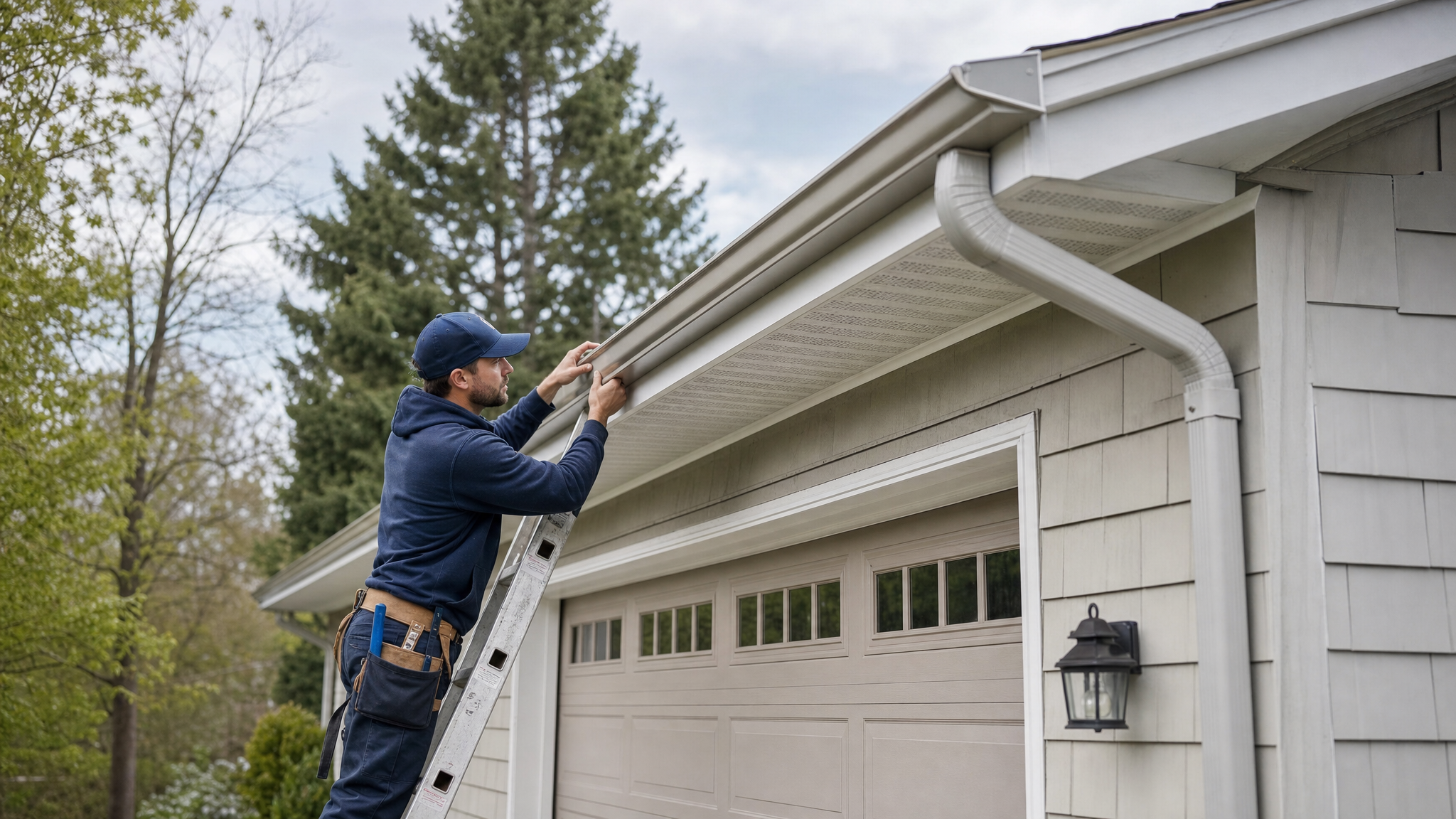
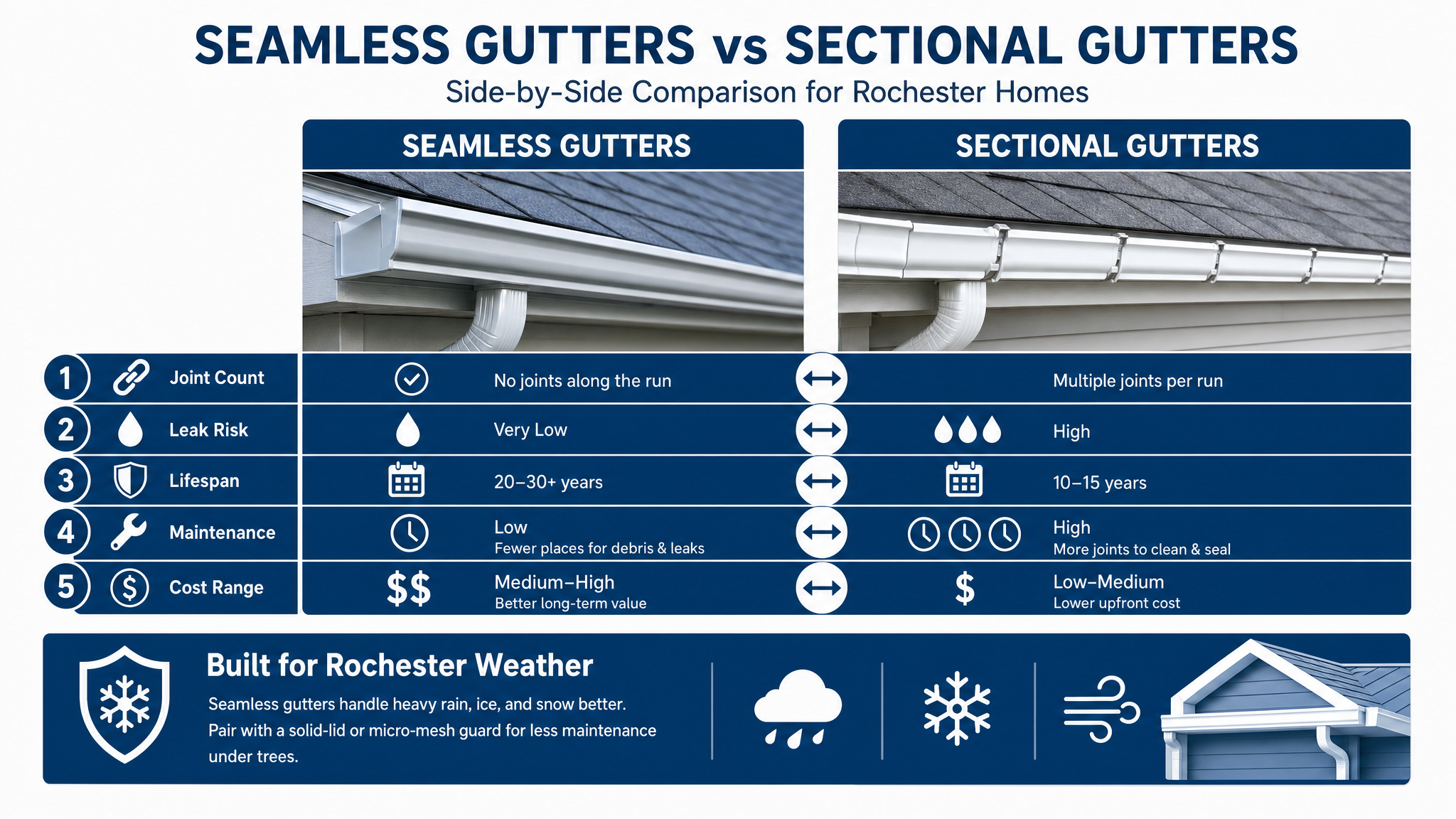
Seamless gutters are fabricated on-site using a portable roll-forming machine. A contractor brings the machine to your home and creates one continuous length of gutter material cut to your exact roofline dimensions. The only seams are at the corners and downspout outlets, which are minimal and sealed properly.
Sectional gutters, sold in pre-cut lengths at hardware stores, require multiple joints along every straight run. Each joint is a potential leak point. That distinction is everything when Rochester drops six inches of rain in spring or sits below freezing for weeks at a time.
For a deeper look at what's involved, the seamless gutter installation service page covers materials, sizing, and what to expect from a professional install.
Common Seamless Gutters Mistakes to Avoid
Most gutter problems that Rochester homeowners experience trace back to a small set of predictable mistakes. Knowing them in advance saves you money and a lot of frustration.
Mistake 1 and How It Hurts Results
The most common mistake is choosing the wrong gutter size. Standard residential gutters in older homes are often 4-inch or 5-inch profiles. But a home with a steep roof pitch or a large drainage area needs a 6-inch gutter to handle the volume of water effectively.
When gutters are undersized, water overflows at the front lip during heavy rain. That overflow hits your foundation, erodes your landscaping beds, and stains your siding. Homeowners often blame a clog when the real problem is capacity.
Getting the sizing right from the start, based on your actual roof square footage and pitch, prevents all of that.
Mistake 2 and How to Spot It Early
The second major mistake is hiring based on price alone. Seamless gutters require proper equipment and trained installation. A low bid often means an installer is cutting corners on pitch (the slight angle that lets water drain toward the downspout), hanger spacing, or sealant at the corners.
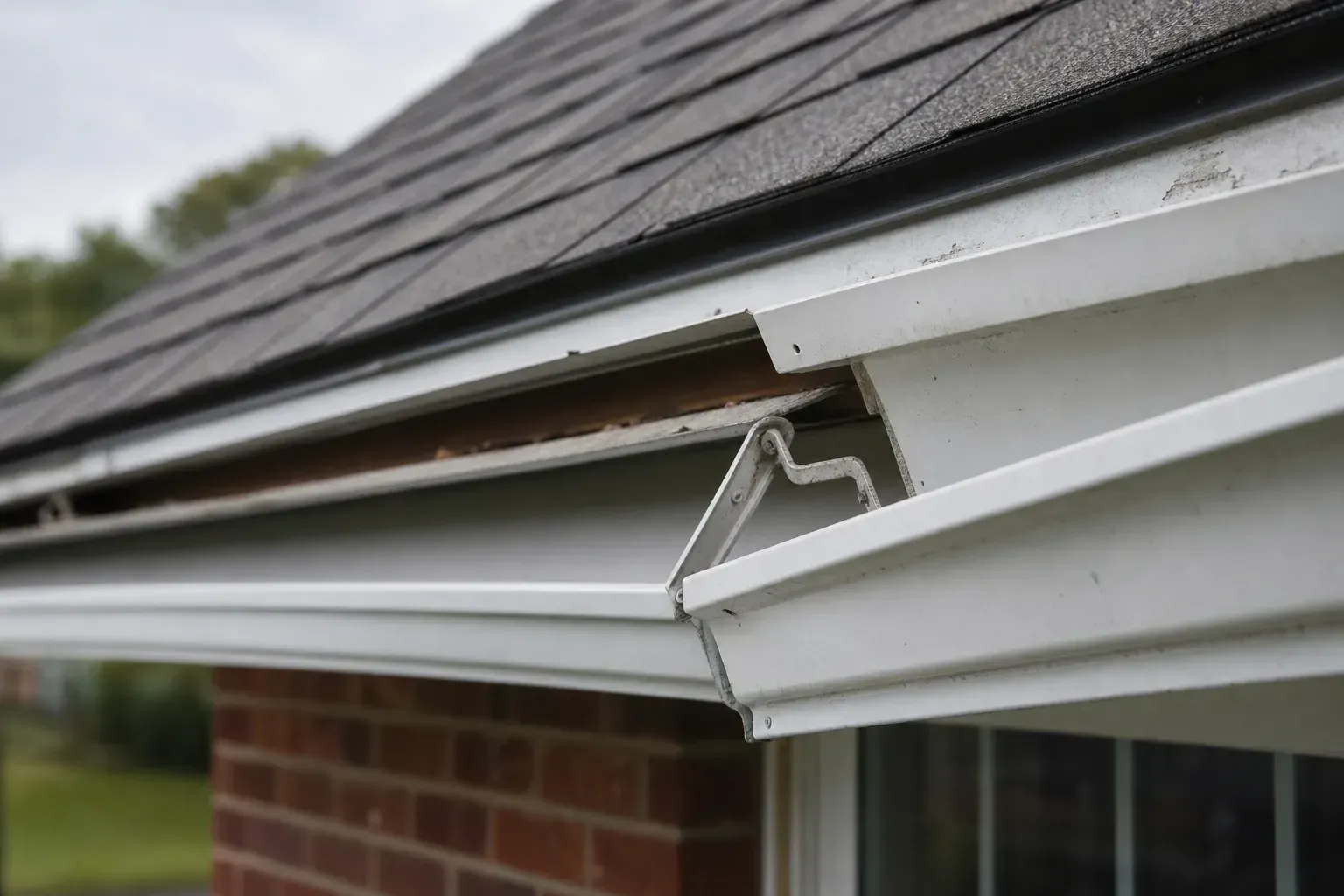
Signs to watch for after a new installation include standing water in the gutter trough after rain, gutters pulling away from the fascia within the first season, and visible gaps at corner joints. These are not cosmetic issues, they're installation failures that will worsen with every freeze-thaw cycle. If you're already seeing these problems on an older system, the gutter repair service page has information on what a professional assessment includes.
How to Fix Each Mistake Quickly
For sizing errors, the fix is a proper load calculation before any new gutters go in. A qualified contractor measures your roof's drainage area, accounts for your pitch, and recommends the right profile. For installation quality issues, request references or look at verified reviews before signing any contract.
A reputable local contractor will welcome that scrutiny.
Practical Seamless Gutters Improvements
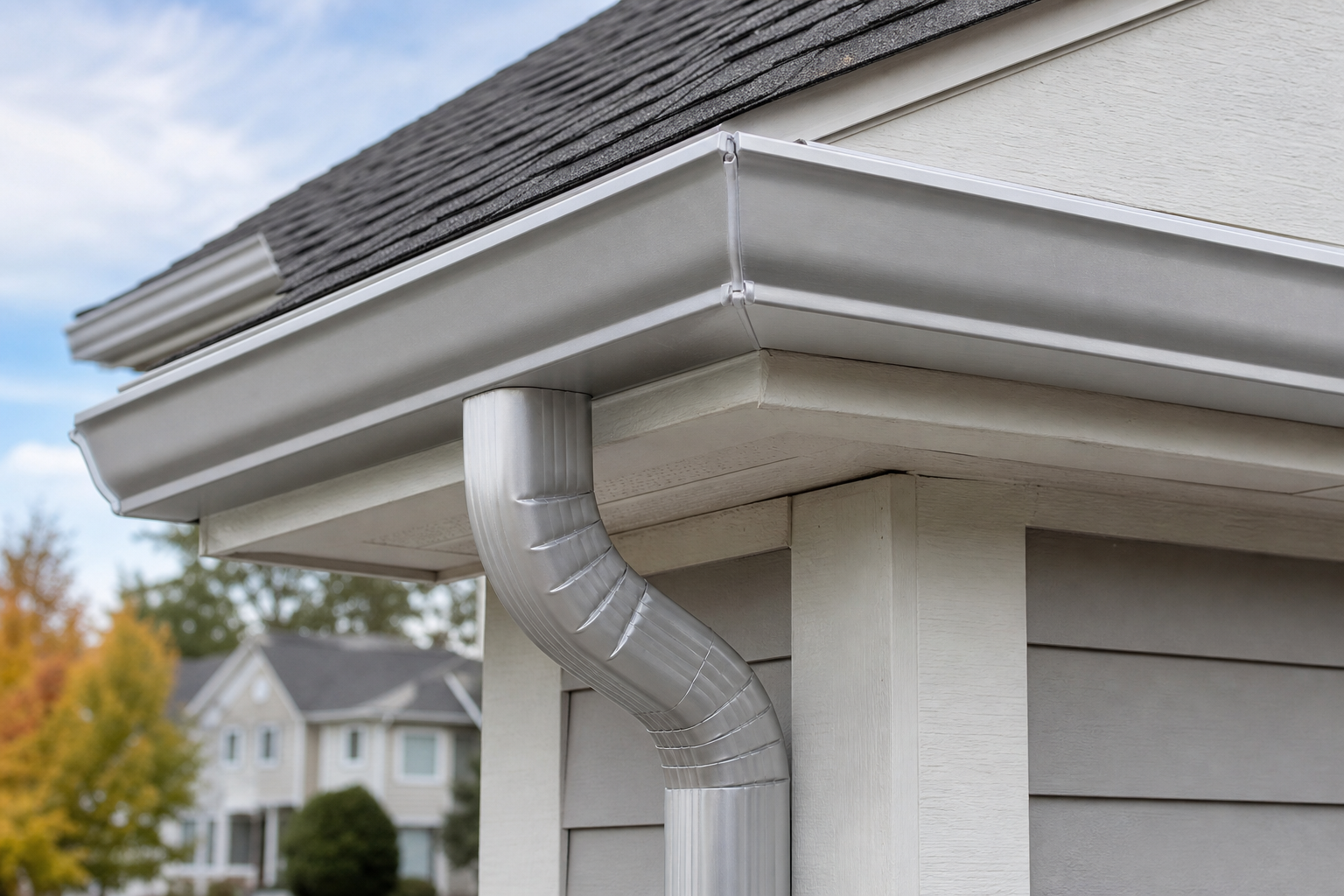
Once you have the right system in place, a few targeted improvements make a meaningful difference in how well your gutters perform over time.
Audit Your Current Approach
Walk around your home after the next heavy rain. Look for water dripping behind the gutters (a sign of improper pitch or a pulled-away hanger), overflow at any point along the trough, and downspouts that discharge too close to your foundation. These observations give you a clear starting list of what needs attention.
Check your fascia boards for soft spots or rot. Gutters that have been leaking for even one season can cause significant fascia damage, and new gutters installed over rotted wood won't hold for long. Addressing the fascia before or during a gutter replacement is the right sequence.
Implement the Highest-Impact Fixes
If your gutters are functioning but clogging regularly, gutter guard installation is the most impactful single upgrade. Quality guards prevent leaves, pine needles, and roof debris from entering the trough entirely, which means you're not climbing a ladder every fall and spring. For Monroe County homeowners surrounded by mature trees, this is especially practical.
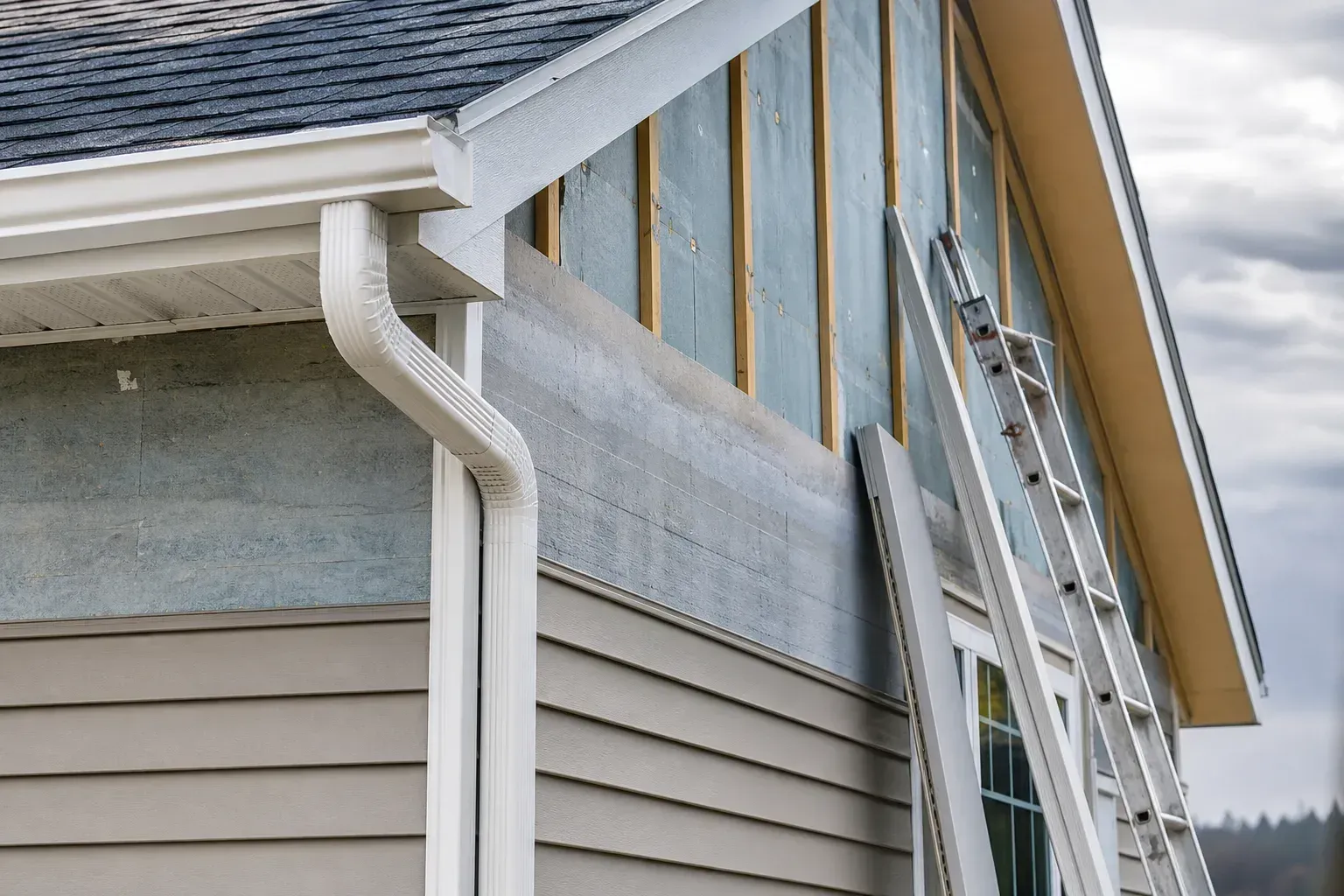
Proper downspout installation is equally important and often overlooked. Downspouts should discharge at least 4 to 6 feet away from your foundation, and extensions or underground drainage can be added where the grading doesn't naturally move water away from the house.
Track and Refine Over Time
Set a reminder to inspect your gutters twice a year, once in late fall after the leaves drop, and once in early spring after the snow clears. Look for sags, separated joints, rust staining on the siding, or debris buildup at the downspout entry. Catching small issues early costs far less than letting them develop into foundation repairs or interior water intrusion.
Tools, Examples, and Proof Points
Understanding the right tools and what a successful installation looks like helps you evaluate your own situation honestly.
Recommended Tools or Workflows
A 6-inch seamless aluminum gutter system is the most common recommendation for mid-to-large Rochester homes. Aluminum resists rust, holds paint well, and handles the weight of ice and snow better than vinyl. For homes with significant tree coverage, pairing the system with a solid-lid or micro-mesh gutter guard reduces maintenance dramatically.
A roll-forming machine is the defining piece of equipment for seamless gutter work. It allows the contractor to create custom lengths on your driveway, meaning there's no waste, no guessing on lengths, and no pre-cut sections that almost fit.
Real-World Examples
Consider a Webster homeowner with a ranch-style home and a large flat-pitch roof area. Sectional gutters on the back of the house had been leaking at three separate joints, causing soft spots in the fascia and a muddy erosion channel in the garden bed directly below. After switching to a seamless 6-inch aluminum system with proper pitch and hanger spacing every 24 inches, the leaks were eliminated, and the fascia was replaced at the same time.
Comparison and Decision Guide
Not every homeowner is starting from scratch. Some need repair, some need a full replacement, and some need guards added to an existing system. Here's how to think through it.
When to Choose Each Approach
| Situation | Best Approach | Typical Timeline |
|---|---|---|
| Gutters under 10 years old, minor leaks | Spot repair and reseal | 1 to 2 hours |
| Gutters over 15 years, multiple joint failures | Full seamless replacement | Half to full day |
| Functional gutters, heavy debris buildup | Gutter guard installation | 2 to 4 hours |
| Gutters pulling from fascia with rot | Replace gutters and fascia together | Full day |
| Undersized gutters overflowing on steep roof | Upsize to 6-inch seamless system | Half to full day |
If you're not sure which category fits your situation, a free gutter estimate from a local contractor is the simplest way to get an honest answer without committing to anything.
Cost, Effort, and Timeline Tradeoffs
Seamless gutters vs regular gutters comes down to a modest upfront cost difference versus a meaningful long-term reliability difference. Sectional gutters are cheaper to purchase off the shelf, but the labor to reseal failing joints, combined with the potential damage from leaks, often erases that savings within a few years. Seamless systems typically last 20 or more years with basic maintenance.
Sectional systems in a Rochester climate often start showing joint failures within 7 to 10 years, sometimes sooner if the original installation wasn't tight. The math tends to favor going seamless from the start, especially if you're replacing a system anyway. For a helpful side-by-side look at when repair versus replacement makes sense, the guide on when to repair, replace, or add gutter guards is a practical resource for Monroe County homeowners.
Conclusion and Next Steps
Key Takeaways
- Seamless gutters outperform sectional systems in Rochester's freeze-thaw climate because they eliminate joint failures along straight runs.
- Sizing matters as much as style, undersized gutters overflow regardless of how well they're installed.
- Hiring on price alone is the fastest path to a failed installation; check references and reviews before committing.
- Regular twice-yearly inspections catch small issues before they become foundation or fascia repairs.
- Gutter guards and properly positioned downspouts multiply the value of any seamless system.
What to Do Next
Start with a visual inspection after the next rain. If you see overflow, sagging, or water running behind the gutter, those are signs your current system needs attention sooner rather than later. Contact Final Solution Gutter Guards ROC for a professional assessment of your gutters.
Josh Lovins and the team serve Webster, Rochester, Greece, Gates, and surrounding Monroe County communities with transparent pricing and honest recommendations. There's no pressure, no upsell, and no guessing, just a clear picture of what your home actually needs. You can also review completed projects in the gutter installation gallery to get a sense of the quality and range of work the team handles across the region.
Frequently Asked Questions
How long do seamless gutters typically last in Rochester's climate?
Seamless aluminum gutters installed correctly generally last 20 to 30 years in Rochester's climate. The absence of joints along straight runs removes the most common failure points, and aluminum resists rust without requiring the paint maintenance that steel demands. Regular inspections and keeping guards in good condition can push that lifespan toward the upper end of the range.
The freeze-thaw cycle is the primary aging factor in Monroe County. Ice dams and heavy snow loads stress gutter hangers and seals at corners and downspout outlets, which is why proper hanger spacing and quality sealant at connection points matter so much during installation.
What is the difference between seamless gutters and regular sectional gutters?
Sectional gutters come in pre-cut lengths, typically 10-foot sections, that are joined together on your roofline with connectors and sealant. Every joint is a potential leak point. Seamless gutters vs regular gutters comes down to this: seamless systems are fabricated in one continuous piece to match your exact roofline length, so the only seams are at corners and downspout outlets. In practice, sectional gutters in a Rochester climate often start leaking at joints within 7 to 10 years as sealants degrade through repeated freezing and thawing.
Seamless systems simply don't have that vulnerability along the straight runs.
How much do seamless gutters cost compared to sectional gutters?
Seamless gutters do cost more upfront than off-the-shelf sectional systems because they require a trained installer with a roll-forming machine. However, the gap is often smaller than homeowners expect when you factor in the labor involved in correctly installing a sectional system. The long-term comparison shifts even further in favor of seamless.
Sectional systems require periodic resealing, are more prone to sagging over time, and carry a higher risk of water damage to fascia and foundations. For most Rochester homeowners replacing an aging system, the higher upfront cost of seamless pays for itself within the life of the system. A free gutter estimate from a local contractor gives you exact numbers for your specific home.
Do seamless gutters need gutter guards to work properly?
Seamless gutters work without guards, but adding quality gutter guards meaningfully extends the life of the system and reduces the maintenance burden. For homes surrounded by mature trees, a common situation in Webster, Pittsford, and Penfield, debris buildup in an unprotected gutter can cause overflow and premature wear at the downspout entry points. Micro-mesh and solid-lid guard styles are the most effective options for keeping leaves and pine needles out while allowing water to flow freely.
If you're investing in a new seamless system, it's worth discussing guard options at the same time rather than adding them as an afterthought later.
How do I know if my current gutters need repair or full replacement?
The clearest indicators that full gutter replacement is the right call include gutters older than 15 years with multiple joint failures, fascia board rot behind the gutter line, visible sagging or sections pulling away from the house, and persistent overflow despite clean gutters. If you're dealing with one or two isolated leaks on a younger system, a targeted repair often makes more sense. The guide on when to repair, replace, or add gutter guards walks through the decision in detail and is a useful reference before you call a contractor.
When in doubt, a professional inspection gives you an honest answer without any obligation to proceed.
Can seamless gutters handle Rochester's heavy snowfall and ice dams?
Yes, and they handle it better than sectional alternatives. The continuous construction means there are no joint separations from ice expansion along the straight runs. That said, no gutter system prevents ice dams on its own, ice dams form at the roofline from heat escaping through the attic, and they're an insulation and ventilation issue at the roof level.
What seamless gutters do is ensure that when the ice melts, the water drains properly through an intact system rather than through failing joints into your fascia or behind your siding. Paired with good attic insulation and properly positioned downspout extensions, a seamless system gives you the best possible drainage outcome in a Rochester winter.
Are there specific gutter sizes recommended for Monroe County homes?
Most Rochester-area homes benefit from 5-inch or 6-inch seamless gutters depending on roof area and pitch. Smaller homes with simple rooflines and lower pitches often do fine with 5-inch profiles. Larger homes, steeper roofs, and properties with significant drainage areas are better served by 6-inch gutters, which can handle roughly 40% more water volume than a standard 5-inch profile.
A qualified contractor will calculate the drainage load for each section of your roof before recommending a size. If you're getting quotes and no one mentions roof pitch or square footage, that's a sign the sizing recommendation isn't being made carefully.
| Gutter Size | Best For | Approx. Drainage Capacity | Common Material |
|---|---|---|---|
| 4-inch | Small sheds, low-pitch roofs | Lower volume | Vinyl, aluminum |
| 5-inch | Standard residential homes | Moderate volume | Aluminum, copper |
| 6-inch | Larger homes, steep pitches, high rainfall areas | Higher volume (approx. 40% more than 5-inch) | Aluminum, steel |
| Half-round | Historic or architectural homes | Moderate, style-dependent | Copper, aluminum |
For homeowners in Henrietta, Chili, or Fairport, where lot sizes and tree coverage vary significantly, sizing conversations with a local contractor who knows the area make a real difference. You can check whether Final Solution Gutter Guards ROC serves your specific neighborhood on the service areas page.