Summer Gutter Maintenance Checklist for Rochester Homeowners
If you own a home in Rochester, Webster, or anywhere across Monroe County, summer gutter maintenance deserves a spot at the top of your seasonal to-do list. Spring storms drop leaves, seeds, and debris into your gutters, and summer thunderstorms put that buildup to the test. This guide walks you through exactly what you need to know now: what to inspect, which mistakes cost homeowners the most, and when to call in a professional.
Key Takeaways
- Summer is the ideal time to clear post-spring debris before heavy thunderstorm season peaks in Rochester.
- Clogged or sagging gutters can cause foundation damage, fascia rot, and basement flooding if ignored.
- A basic inspection takes less than an hour and can prevent repairs that cost hundreds to thousands of dollars.
- Gutter guards significantly reduce how often you need to clean, but they do not eliminate maintenance entirely.
- If your gutters are more than 20 years old, sagging, or pulling away from the fascia, replacement may be more cost-effective than repeated repairs.
- com), industry guidance aligns with these recommendations.
Why Summer Gutter Maintenance Matters Now
Summer is the most overlooked season for gutter care. Homeowners focus on spring cleaning and fall leaf removal, but the months in between are when small problems quietly become expensive ones.
Rochester's climate makes this especially important. The region averages over 34 inches of rainfall per year, and summer thunderstorms can dump an inch or more of rain in under an hour. Gutters that are partially blocked from spring debris simply cannot handle that volume.
Water backs up, overflows, and finds its way into the places you least want it: behind siding, into your basement, and along your foundation.
What Has Changed Recently
In recent years, Monroe County has seen more intense summer storm events, including localized flooding that catches homeowners off guard. Aging housing stock in neighborhoods like Irondequoit, Greece, and Penfield means gutters installed 15 to 25 years ago are now reaching the end of their useful lifespan right as storm intensity increases. Additionally, more homeowners are installing gutter guards as a long-term solution.
While guards reduce maintenance frequency, they still require periodic checks, particularly after heavy storms that drive shingle grit and fine organic material into the system.
What Readers Need to Understand First
Summer gutter maintenance is not just about cleaning. It is a full system check that covers flow, slope, fasteners, seams, downspouts, and the condition of the fascia board behind your gutters. Treating it like a simple rinse-and-go task is one of the most common and costly misunderstandings Rochester homeowners encounter.
Common Summer Gutter Maintenance Mistakes to Avoid
Mistake 1: Cleaning Only the Visible Section
Most homeowners clean what they can reach from the ground or a single ladder position. This leaves debris packed into corners, downspout elbows, and sections over garage doors where gutters run low. When the next heavy rain hits, those hidden blockages cause overflow at the worst possible locations.
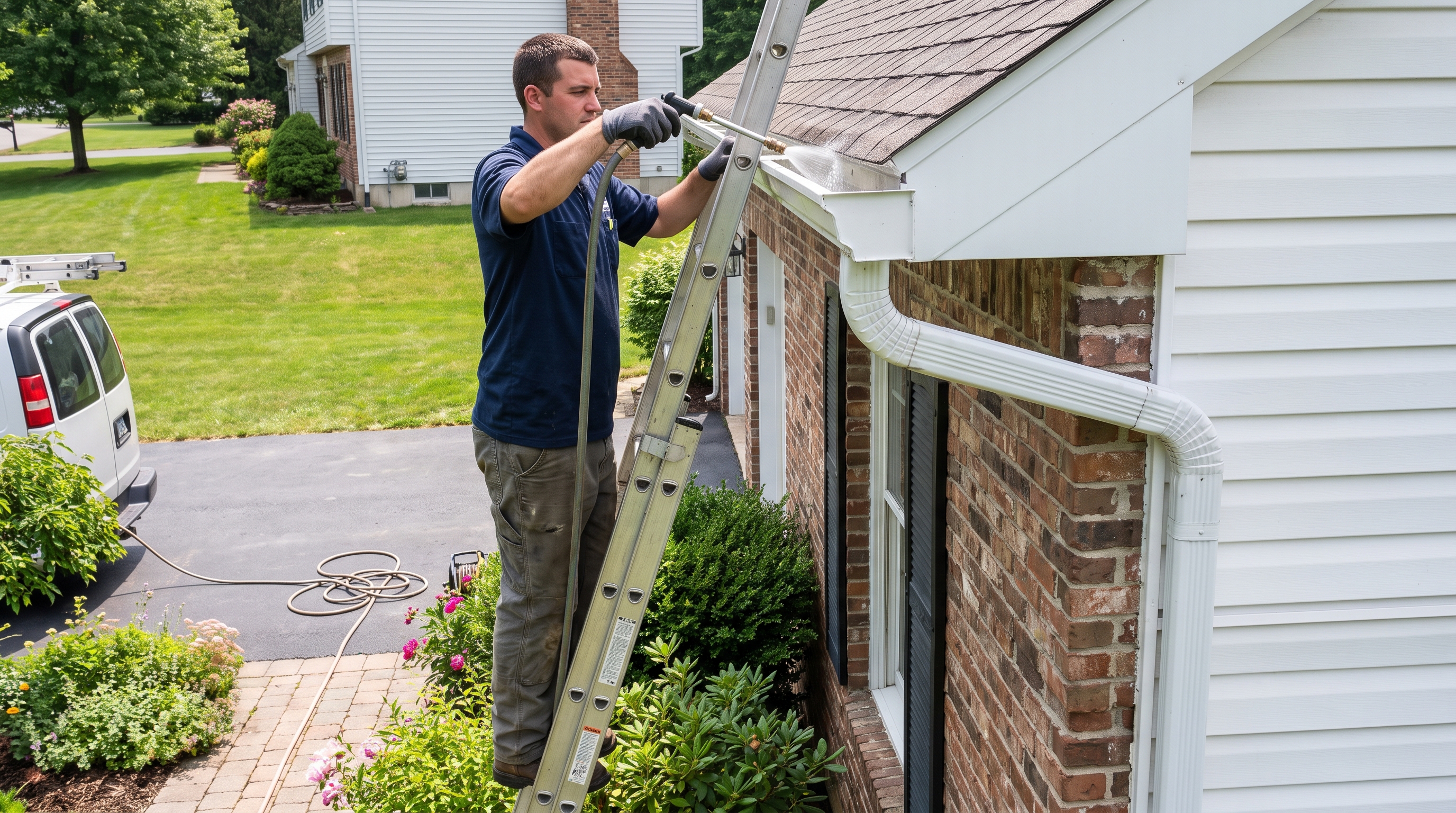
The fix is straightforward: work in sections from one end to the downspout, flushing with a garden hose as you go. Watch for where water exits. If it does not come out the bottom of the downspout within a few seconds of flushing, you have a blockage lower in the system.
Mistake 2: Ignoring Subtle Sags and Gaps
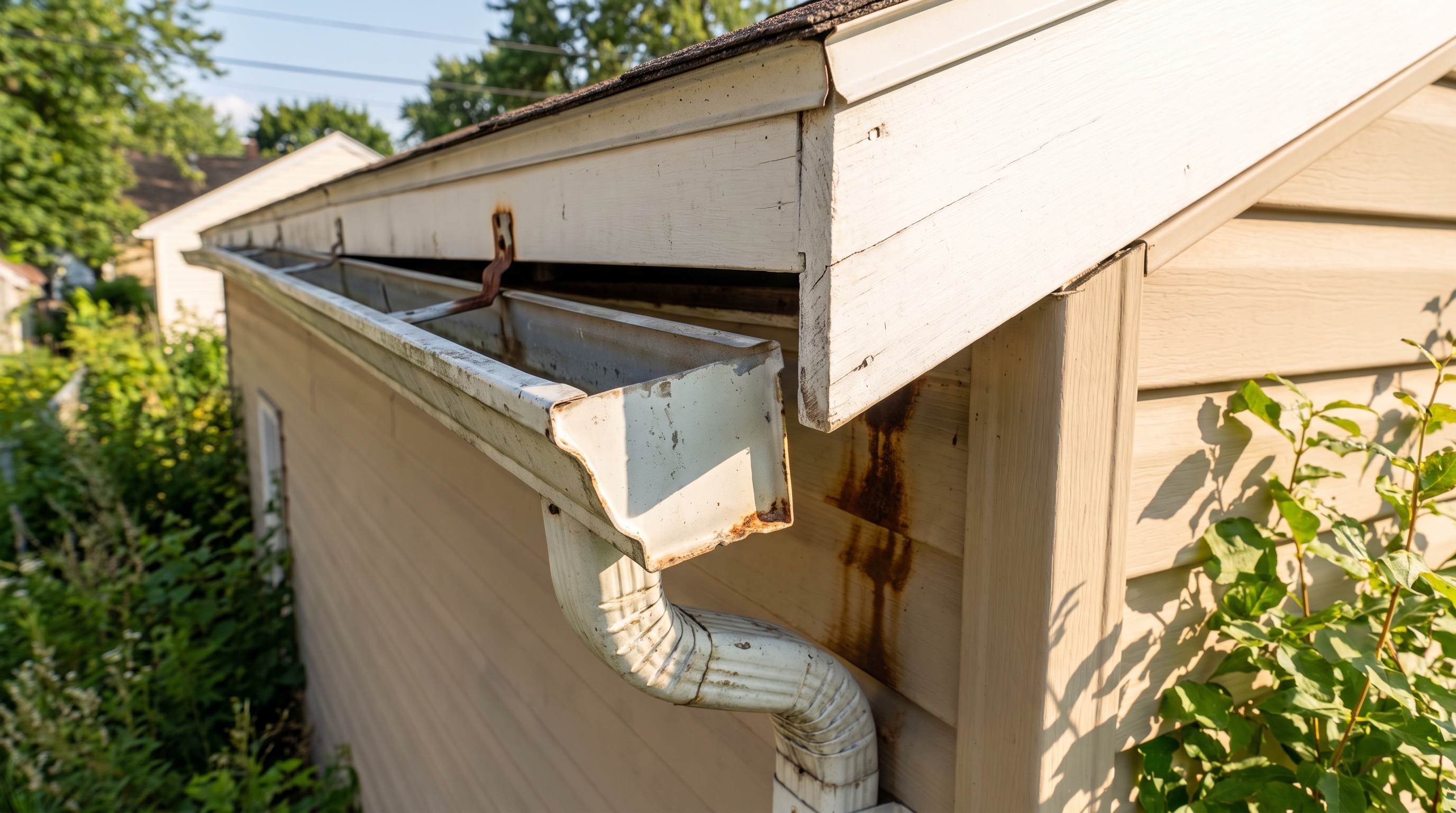
A gutter that sags even slightly in the middle holds standing water. Standing water is heavy, breeds mosquitoes, and accelerates corrosion in aluminum and steel gutters. Many homeowners notice a sag but assume it is cosmetic.
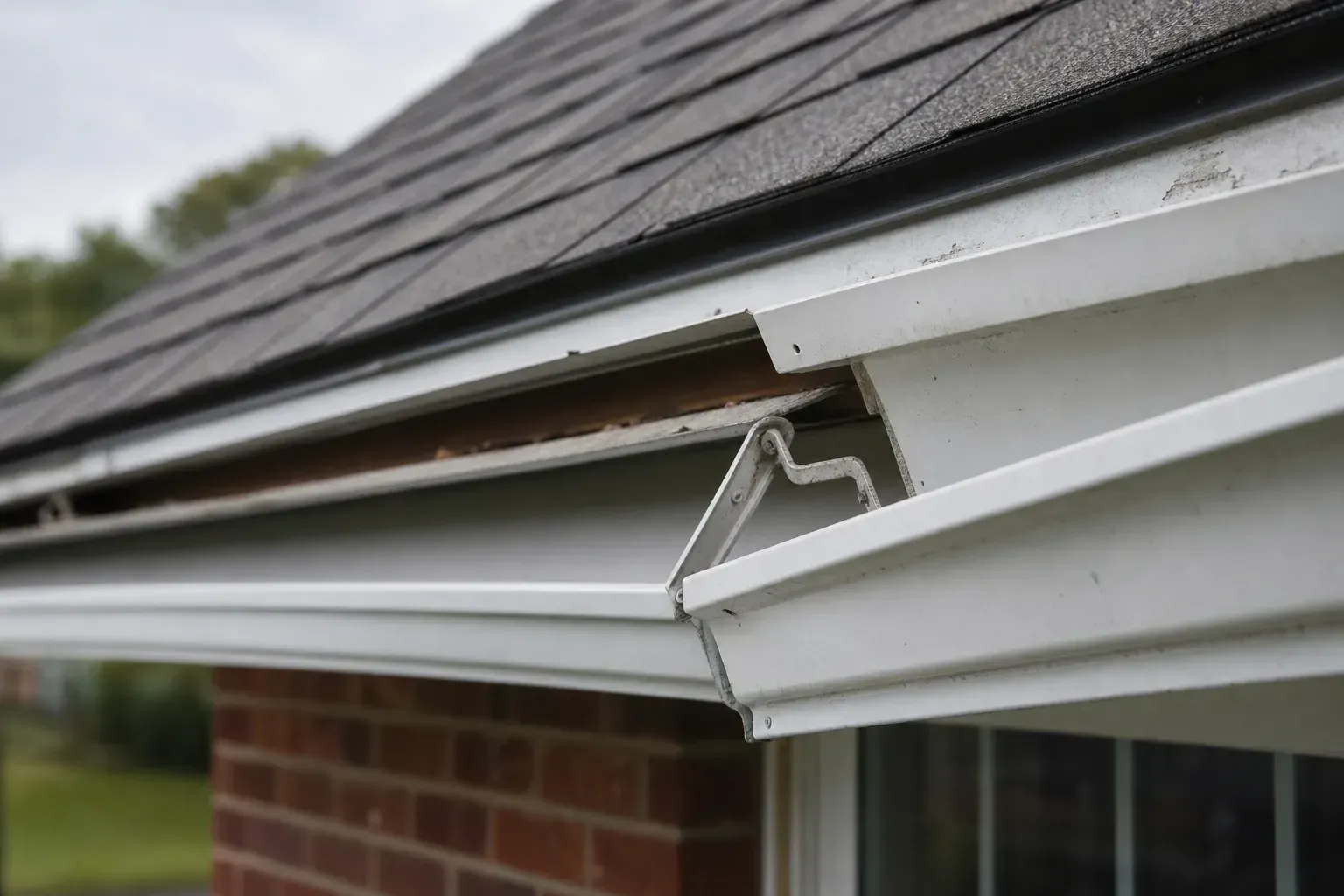
It is not. Sagging gutters typically mean the hanger spikes or hidden hangers have pulled loose from the fascia. This is often a sign that the fascia board itself has softened from moisture. Catching this early, before the board deteriorates further, is the difference between a $50 hanger fix and a fascia replacement that runs several hundred dollars or more.
How to Fix Each Mistake Quickly
| Problem | DIY Fix | When to Call a Pro |
|---|---|---|
| Leaf and debris clog | Gloved hand removal, garden hose flush | Downspout blockage that flush cannot clear |
| Sagging mid-section | Replace hidden hanger screws | Soft or rotted fascia board underneath |
| Leaking seam or joint | Gutter sealant (caulk interior joint) | Multiple leaks or section-wide deterioration |
| Separated downspout | Reconnect and secure with sheet metal screws | Downspout pulling away from foundation elbow |
| Rust or hole in bottom | Roofing cement patch (temporary) | Any hole larger than 1 inch; section replacement |
For persistent issues, especially in older homes across gutter installations and repairs in Rochester, NY, a professional inspection gives you a clear picture of what is worth repairing versus what needs replacing.
Practical Summer Gutter Maintenance Improvements
Audit Your Current Approach
Start with a ground-level walk around your home during or right after a heavy rain. This is the single best diagnostic tool available. Watch for:
- Water spilling over the front edge of the gutter (clog or insufficient slope)
- Water pouring behind the gutter (gutter pulled away from fascia)
- Water pooling within 6 feet of your foundation(downspout discharge problem)
- Staining on siding or exterior walls below gutter seams (joint leaks)
Document what you see with your phone. This record helps any contractor you bring in give you an accurate assessment quickly.
Implement the Highest-Impact Fixes
Once you have identified the problems, prioritize in this order:
- Clear all blockages before the next storm arrives.
- Resecure any loose gutters to prevent further fascia damage.
- Seal leaking joints to stop water from getting behind your siding.
- Extend or redirect downspouts so discharge moves water at least 4 to 6 feet from your foundation.
- Consider gutter guards if you are cleaning more than twice per year or finding debris buildup a persistent issue.
If your home is in Webster, you can explore professional gutter installation and repair options in Webster, NY for local service you can count on.
Track and Refine Over Time
A good maintenance record protects you when it matters most. Keep a simple notes file or photo folder on your phone labeled by date. Note what you cleaned, what you repaired, and what you observed.
Patterns emerge over time: a particular corner always clogs, one downspout always slows. Those patterns tell you where a permanent fix, such as a repositioned downspout or a localized guard, will save you the most trouble.
Tools, Examples, and Proof Points
Recommended Tools or Workflows
You do not need specialized equipment for a thorough summer inspection and basic cleaning. Here is what works:
| Tool | Purpose | Approximate Cost |
|---|---|---|
| Gutter scoop or trowel | Remove packed debris | $8 to $15 |
| Garden hose with spray nozzle | Flush gutters and test flow | Already owned by most |
| Telescoping wand | Reach gutters from ground level | $30 to $60 |
| Gutter sealant / caulk | Seal interior joints and small holes | $10 to $20 |
| Hidden hanger screws | Replace failed spike fasteners | $15 to $25 per box |
| Safety ladder with standoff | Work safely without leaning on gutter | $80 to $200 |
For homes where ladders are unsafe or gutters are on a second story, telescoping flush wands let you work from the ground without climbing at all.
Real-World Examples
Consider a homeowner in Greece, NY who skipped summer maintenance for two consecutive years. By the following spring, two sections of fascia behind the front gutters had softened enough to require full replacement, along with new seamless gutter installation across the entire front of the house. The initial repair estimate was under $200.
The final cost was over $1,800. That scenario is not unusual in Monroe County homes built between 1970 and 1995, where original wood fascia is still common. Keeping gutters clear and functional is one of the most cost-effective ways to protect that underlying structure.
Comparison and Decision Guide
When to Choose Each Approach
Not every gutter problem calls for the same solution. Use this framework to decide:
- Clean and maintain: gutters are less than 15 years old, structurally sound, no fascia damage, blockages are surface-level.
- Repair specific sections: localized sagging, one or two leaking joints, a single separated downspout.
- Replace gutters entirely: widespread sagging, multiple rust holes, gutters more than 20 years old, fascia damage requiring detachment and reattachment anyway.
- Add gutter guards: you are cleaning more than twice a year, trees overhang the roofline significantly, or you want to reduce future maintenance time.
For homeowners weighing these options, the guide on when to repair, replace, or add gutter guards covers the decision framework in detail.
Cost, Effort, and Timeline Tradeoffs
| Approach | Typical Cost Range | DIY Feasible? | Time to Complete |
|---|---|---|---|
| Basic cleaning and flush | $0 to $150 (DIY or pro) | Yes | 1 to 3 hours |
| Minor repairs (hangers, sealant) | $50 to $300 | Yes, with tools | Half a day |
| Section replacement | $150 to $500 per section | Limited | 2 to 4 hours pro |
| Full gutter replacement | $800 to $2,500+ depending on linear feet | No | 1 to 2 days |
| Gutter guard installation | $500 to $2,000+ depending on guard type and home size | Limited | Half to full day |
Rain gutter installation costs vary based on material (aluminum, steel, copper), profile (K-style vs. half-round), and gutter length. Seamless systems generally cost more upfront but reduce leak points significantly. You can learn more about what is involved through the gutter installation service page for a clearer picture of what is included.
Conclusion and Next Steps
Summer gutter maintenance is one of the highest-return home care tasks you can do in Rochester. A few hours of inspection and cleaning now protects your foundation, siding, and fascia from damage that costs far more to fix later. The key is treating your gutters as a complete drainage system rather than just a channel for leaves.
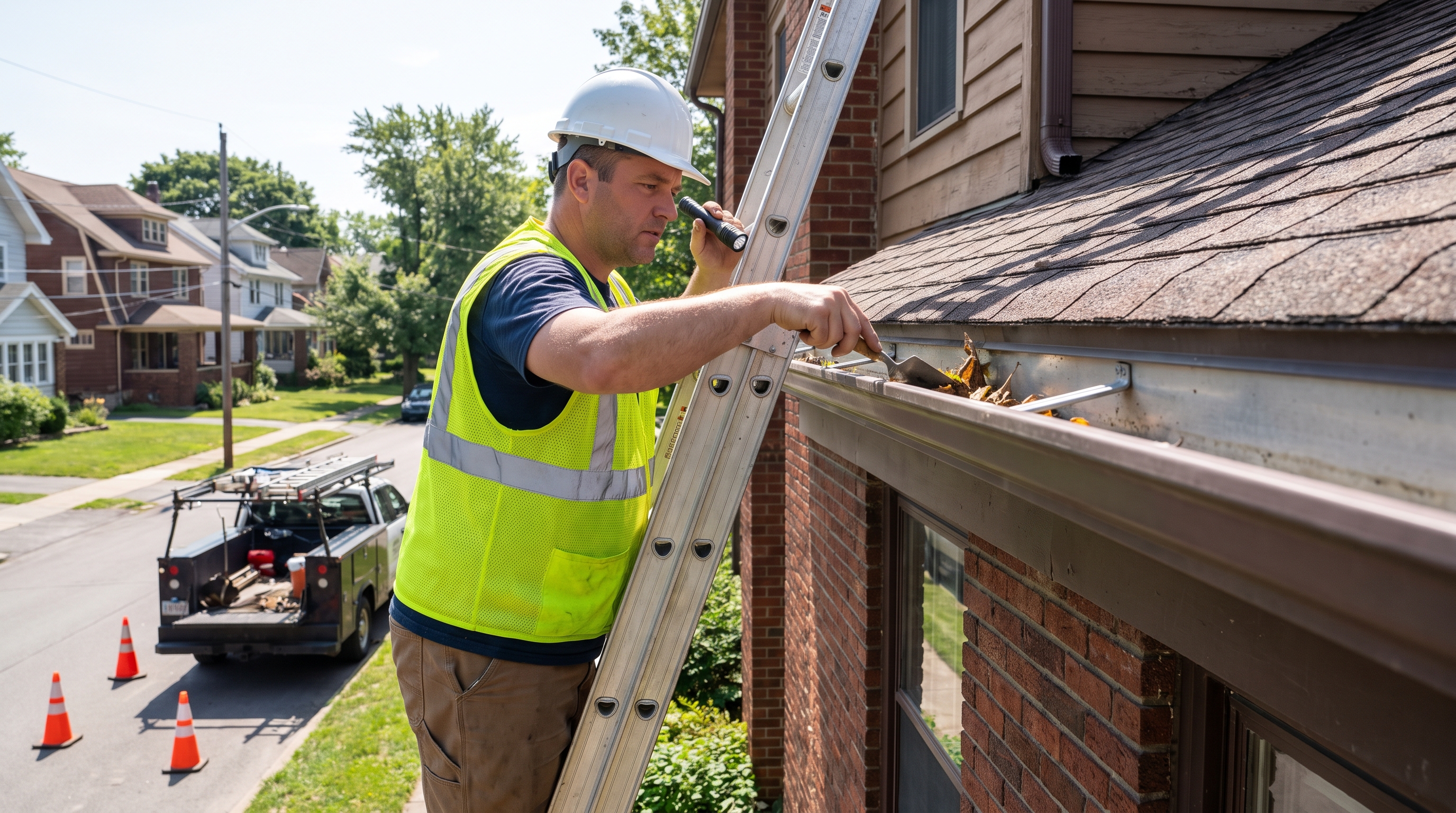
Key Takeaways
- Inspect during or right after a heavy summer rain to see exactly where your system fails.
- Prioritize clearing blockages, resecuring hangers, and directing downspout discharge away from your foundation.
- Sagging gutters signal structural problems that worsen quickly if left unaddressed.
- Gutter guards reduce long-term maintenance but still need periodic checks- Replacing gutters older than 20 years is often more economical than patching multiple failing sections.
What to Do Next
Start with a walk around your home today. Look up at your gutters, check for visible sags or separations, and plan your first flush before the next summer storm arrives. If you find damage that goes beyond a simple cleaning, contact Final Solution Gutter Guards ROC for a professional assessment.
Josh Lovins and the team serve Webster, Rochester, Greece, Gates, and surrounding Monroe County communities with transparent pricing and reliable on-site service.
Frequently Asked Questions
How often should you clean gutters in the summer?
For most Rochester-area homes without gutter guards, one thorough cleaning in late spring or early summer is the baseline. If your home sits under mature trees, particularly maple or oak, a mid-summer check is worth adding. Homes with gutter guards still benefit from a quick inspection after major storms to confirm nothing has lodged against the guard surface.
What are the signs that your gutters need immediate attention?
Watch for water overflowing over the front edge during rain, visible sagging between hanger points, water stains on siding directly below a gutter seam, and soil erosion or pooling near your foundation. Any of these signals means the system is not draining properly and the problem will worsen with each storm.
Is summer a good time for rain gutter installation?
Yes. Summer is one of the best times for rain gutter installation because dry weather gives installers consistent working conditions and allows sealants to cure properly. If your inspection reveals gutters that are beyond repair, scheduling a replacement in summer means your system is ready before fall leaf season and winter ice loads arrive.
Learn more about what the process involves on the gutter installation service page.
Do gutter guards eliminate the need for summer maintenance?
Gutter guards significantly reduce how often debris accumulates inside your gutters, but they do not make maintenance completely unnecessary. Fine particles like shingle grit, pollen, and seed pods can still collect on the guard surface or at the entry points. A once-yearly inspection is still recommended even on homes with a full guard system installed.
Explore the options available through the gutter guards service page to understand which guard type performs best for your roof and tree coverage.
How do you know if your gutters need replacing rather than repairing?
If your gutters show three or more of the following, replacement is usually the smarter investment: widespread rust or corrosion, multiple leaking joints, consistent sagging across more than one section, gutters older than 20 years, or fascia boards that have softened behind the mounting points. Repeated repairs on a failing system often cost more over two to three years than a single gutter replacement performed once.
What should you do if your downspout is draining too close to the foundation?
A downspout that discharges within 2 to 3 feet of your foundation is a water management problem waiting to become a structural one. The immediate fix is a downspout extender, which redirects flow to at least 4 to 6 feet from the house. For a more permanent solution, a buried downspout extension carries water to a pop-up emitter further into the yard.
If you are unsure whether your current downspout layout is contributing to basement moisture, a professional inspection through the downspout installation service can identify the most effective routing for your property.
Can you handle summer gutter maintenance yourself, or should you hire a professional?
Basic cleaning and minor repairs like resealing a joint or replacing a hanger are well within reach for most homeowners who are comfortable on a ladder and have a few hours available. The tasks that call for a professional are anything involving fascia replacement, full section removal, or second-story gutters on steep-pitched roofs where ladder safety becomes a real concern. When in doubt, a professional inspection costs relatively little and gives you clarity on exactly what needs to be done and what can wait.
You might also like